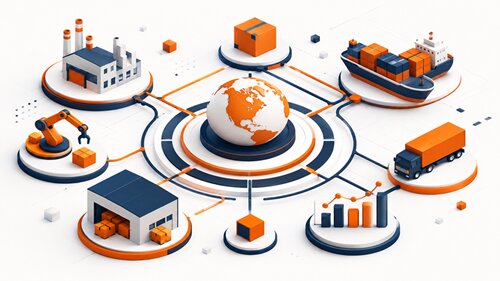


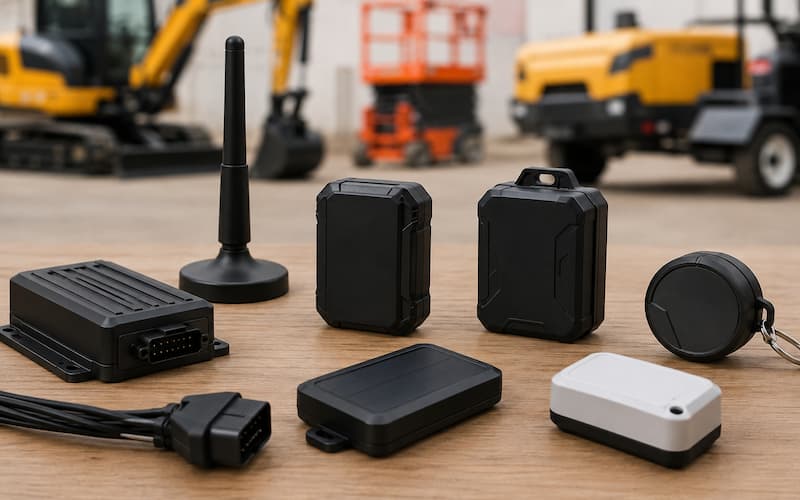
The rental industry is rapidly shifting toward smart automation, where visibility, control, and real-time data define business success. A modern rental equipment tracking system has become essential for companies managing high-value assets such as construction machinery, generators, scaffolding, and heavy tools. In 2026, IoT devices are playing a major role in transforming how rental businesses monitor, manage, and optimize their equipment fleets. IoT (Internet of Things) technology enables physical equipment to communicate data such as location, usage, condition, and movement. This helps rental companies reduce theft, improve utilization, and increase profitability. Below are the best IoT devices shaping the future of rental equipment tracking in 2026.

GPS trackers remain the most widely used IoT devices in rental operations. These compact devices are installed on equipment to provide real-time location updates. They help businesses monitor where equipment is, whether it is being used correctly, and if it moves outside authorized zones. Modern GPS trackers now come with advanced features such as geofencing, motion detection, and tamper alerts. Geofencing allows businesses to set virtual boundaries, triggering alerts when equipment leaves a designated area. This is especially useful for construction sites where equipment is frequently moved. Battery life has also improved significantly, with some devices lasting several years without replacement. Solar-powered GPS units are becoming popular for remote or long-term deployments.
RFID (Radio Frequency Identification) tags are small, cost-effective devices used for identifying and tracking equipment within a controlled environment. Unlike GPS trackers, RFID does not provide real-time location but excels in inventory management and check-in/check-out automation. Rental companies use RFID readers at entry and exit points to automatically record when equipment is moved. This reduces manual scanning and improves accuracy in tracking asset movement. Passive RFID tags are commonly used for smaller tools, while active RFID tags offer extended range and better performance for larger equipment. In 2026, RFID systems are increasingly integrated with cloud platforms for centralized data management.
Usage tracking is just as important as location tracking. IoT sensors help rental companies monitor how long equipment is being used, how often it is active, and whether it is operating under normal conditions. For example, sensors can track engine runtime in construction machinery, vibration levels in generators, or operational cycles in industrial tools. This data helps businesses calculate rental charges accurately based on usage rather than fixed time periods. Usage sensors also help identify underutilized assets, enabling companies to optimize fleet allocation and reduce idle time.
BLE beacons are small IoT devices designed for short-range tracking. They are ideal for rental businesses operating within confined environments such as warehouses, workshops, or construction sites. These devices continuously broadcast signals that can be detected by nearby smartphones or gateways. BLE beacons are energy-efficient and cost-effective, making them suitable for tracking large inventories of small tools. In 2026, BLE systems are often combined with mobile apps, allowing workers to quickly locate equipment using smartphones. This improves efficiency and reduces time wasted searching for tools.
Security is a major concern in the rental industry, especially for high-value equipment. Smart locks integrated with IoT technology provide controlled access to machinery and tools. These devices allow businesses to remotely lock or unlock equipment using mobile apps or centralized dashboards. Some smart locks require digital authentication before use, ensuring only authorized personnel can operate the equipment. Smart locks also log access history, providing a clear audit trail of who used the equipment and when. This helps prevent unauthorized usage and improves accountability.
Telematics devices combine GPS tracking, diagnostics, and performance monitoring into a single system. These devices are commonly installed in heavy construction machinery such as excavators, loaders, and cranes. Telematics systems provide detailed insights into fuel consumption, engine health, maintenance schedules, and operational efficiency. This allows rental companies to maintain equipment proactively and reduce downtime. In 2026, telematics solutions are increasingly integrated with AI analytics, helping businesses predict equipment failures before they occur.
Cloud gateways act as bridges between IoT devices and centralized management platforms. They collect data from multiple sensors and transmit it securely to cloud systems for analysis and reporting. These devices ensure seamless communication between GPS trackers, RFID systems, and usage sensors. Without gateways, managing large fleets of IoT-enabled equipment would be difficult. Modern gateways support real-time synchronization, encrypted data transfer, and multi-device connectivity, making them essential for scalable rental operations.
IoT technology provides significant advantages for rental businesses.
Real-time tracking ensures businesses always know where their assets are located, reducing loss and misplacement.
Usage monitoring helps companies identify idle equipment and optimize rental schedules.
Security features such as geofencing and smart locks reduce unauthorized access and theft risks.
Automation reduces manual tracking efforts and improves efficiency across teams.
Telematics and sensor data help predict maintenance needs, preventing costly breakdowns.
Despite its benefits, implementing IoT tracking systems comes with challenges.
Installing IoT devices across large fleets can require significant investment.
Handling large volumes of real-time data requires strong infrastructure and software integration.
Remote job sites may experience weak network signals, affecting data transmission.
IoT devices themselves require periodic updates, calibration, and battery replacements.
The future of IoT in the rental industry is driven by automation, AI, and predictive analytics. Devices will become more intelligent, capable of self-reporting issues and optimizing performance without human intervention. Integration with machine learning will allow rental companies to forecast demand, optimize pricing, and improve fleet allocation. Blockchain technology may also be used to enhance transparency and record-keeping. As the industry evolves, IoT will continue to redefine how rental businesses operate, making processes faster, smarter, and more efficient.
IoT devices are transforming the rental equipment industry by enabling real-time tracking, improving security, and enhancing operational efficiency. From GPS trackers and RFID tags to telematics and smart locks, each technology plays a vital role in modern fleet management. Businesses that adopt these solutions early will gain a competitive advantage through better asset utilization, reduced losses, and improved decision-making. As 2026 approaches, IoT-driven tracking systems are no longer optional—they are essential for sustainable growth in the rental equipment industry.

© 2025 Crivva - Hosted by Airy Hosting Managed Website Hosting.