

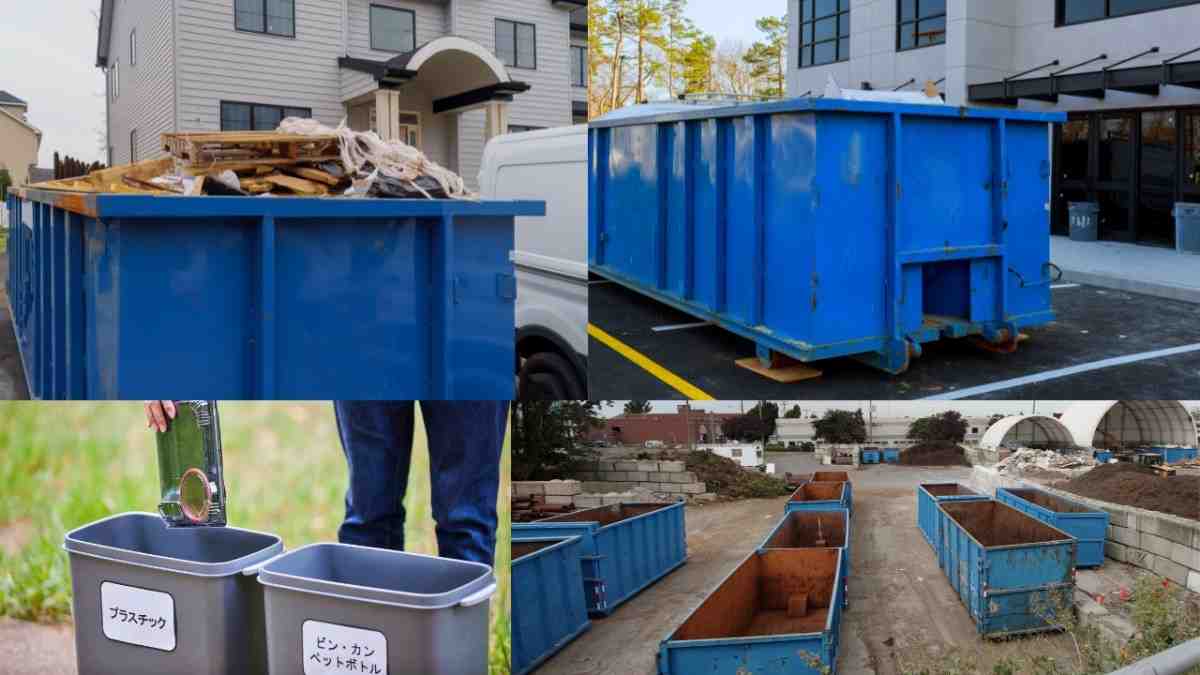
Compare 4-yard and 10-yard bin rental Oakville options to find the best value for small to medium waste projects.
Understand pricing models, weight limits, and bin placement tips that help you avoid extra charges.
Learn practical strategies to choose the right bin size and make your waste removal cost-effective.
Whether you’re completing a small renovation, decluttering your home, or tackling yard work, understanding your bin rental Oakville options can help you manage waste efficiently and affordably. Smaller projects don’t always require a large dumpster, and choosing the right size — like a 4-yard or 10-yard bin — can translate into big savings without compromising convenience.
In this guide, we’ll break down the most practical bin sizes for small to medium projects, explain how pricing works, and share tips to help you avoid overpaying on your next bin rental. By the end, you’ll know how to select the right bin size, estimate costs, and plan ahead for a smoother waste removal experience.
Renting a bin that’s too large for a small project may feel safe, but it often means paying for space you don’t need. On the other hand, a bin that’s too small can fill up fast and force you to order another one — doubling your costs and disrupting your workflow.
Choosing an appropriate bin size based on your project’s scale helps you:
Save money by not paying for unused capacity
Avoid delays from needing a second bin
Reduce landfill trips and waste handling hassles
For many Oakville residents, the range between 4-yard and 10-yard bins offers a perfect balance for smaller jobs without unnecessary expense.
Most bin rental services in Oakville follow a flat-rate pricing model. This means you pay one upfront price that generally includes:
Delivery to your location
A standard rental period (often about 7 days)
Pickup once your bin is ready
A set weight allowance
Flat rates help you budget more accurately because they eliminate hidden fees for basic services. This pricing structure also applies across several bin sizes, making it easier to compare costs without surprises.
The 4-yard bin is ideal for jobs with limited waste, such as:
Small room renovations
Garage or basement cleanouts
Yard and landscaping debris
Minor demolition debris
With roughly 4 cubic yards of space, this compact bin is perfect for:
A mid-size pickup truck’s worth of waste
Smaller renovations that don’t produce a large volume of debris
Landscapers or DIY enthusiasts handling garden waste
The billing for a 4-yard bin under a flat-rate model typically places it in the lower cost range among bin rentals. This makes it an excellent choice for projects where waste volume is manageable but cleanup is still necessary.
Contractors and homeowners alike appreciate the simplicity and affordability of this size — especially when combined with clear weight limits and predictable rental periods.
The 10-yard bin sits in the middle of the bin rental size spectrum and is widely used for:
Kitchen or bathroom renovations
Home decluttering projects
Medium landscaping jobs
Basement or attic cleanouts
About 10 cubic yards of space gives you significantly more room than a 4-yard bin without jumping to a much larger size. Whether you’re removing old cabinets, drywall, or furniture, a 10-yard bin keeps your space tidy without paying for excessive capacity.
Under flat-rate pricing, a 10-yard bin often costs around the same bracket as smaller sizes but offers more cubic yards for your budget. This cost-effective sizing makes it a go-to for many residential projects where waste volume is moderate but not massive.
Flat-rate pricing benefits residents by bundling delivery, pickup, and a rental period into one predictable cost. This approach simplifies budgeting and prevents surprise charges.
A typical flat rate across most bin sizes includes:
Delivery to your driveway or job site
A rental period (usually about 7 days)
One tonne of included waste
Removal and disposal after pickup
Because weight allowances are included, most homeowners tackling small-to-medium projects won’t face overweight fees unless their project involves unusually dense materials like concrete or brick.
Even with flat-rate pricing, disposal bins typically come with a weight limit — often around one tonne. If your bin exceeds that included limit, many companies charge a fee for the extra weight.
Standard weight allowance: ~1 tonne
Overweight fee: Typically charged per additional kilogram or tonne
Heavy materials like concrete, stone, and wet soil can reach weight limits quickly, even if the bin isn’t full by volume. For most smaller residential projects (cleanouts, demolition of drywall, standard landscaping debris), a 4- or 10-yard bin’s default weight allowance is sufficient.
To avoid overweight charges:
Avoid mixing heavy and light debris in the same bin
Break large heavy items into smaller pieces when possible
Choose a slightly larger bin if you expect heavier materials
Maximizing savings on your bin rental Oakville doesn’t end with choosing the right size. Consider these tips:
Schedule the bin to arrive just before you begin generating waste. This reduces rental days and helps you stay within the flat-rate period.
Place heavy items at the bottom and stack materials tightly to avoid wasted space. Efficient loading can reduce the need for extra bins.
Although mixed debris is usually accepted, separating recyclables like metal and wood can sometimes reduce landfill weight and curtail extra fees.
Hazardous waste — including paints, chemicals, propane tanks, and certain electronics — often requires special disposal. Confirm what’s allowed before loading.
Renting a bin typically follows a straightforward workflow:
Determine your project’s waste volume — estimate how much debris you’ll generate.
Choose the right bin size — match project needs to capacity.
Schedule delivery — pick a date when waste generation begins.
Fill the bin — load debris during your renovation, cleanup, or landscaping job.
Request pickup — once the bin is full or your project is complete.
Reliable bin rental services offer responsive delivery and pickup, making waste management one less thing to worry about during your project.
For homeowners and DIYers tackling small to medium projects, bin rental Oakville offers flexible, cost-effective waste removal with minimal hassle. Choosing between 4-yard and 10-yard bins helps you balance capacity with cost, ensuring you don’t pay for more space than you need.
Understanding flat-rate pricing, weight limits, and rental timing allows you to avoid extra fees and make the most of your budget. Whether you’re clearing out a basement, renovating a room, or tidying up your yard, the right bin rental choice can save you time, money, and stress.
With the right planning and bin size insight, small projects can deliver big savings.
1. How much does a 4-yard bin rental cost in Oakville?
Under flat-rate pricing, a 4-yard bin typically falls in the lower end of the standard rental price range, which often starts around $350 + tax with weight included.
2. What size bin do I need for a medium renovation?
A 10-yard bin usually handles moderate renovation debris such as cabinetry, drywall, and furniture.
3. Are there extra fees for overweight debris?
Yes — if you exceed the included weight limit (often about 1 tonne), additional charges may apply per extra kilogram or tonne.
4. Can I put yard waste and renovation debris in the same bin?
Most services accept mixed waste, but it’s wise to separate materials when heavy debris is involved to avoid overweight charges.
5. How long can I keep a rental bin?
Standard rental periods are usually about 7 days; extra days may incur small daily fees if needed.

© 2025 Crivva - Hosted by Airy Hosting Managed Website Hosting.