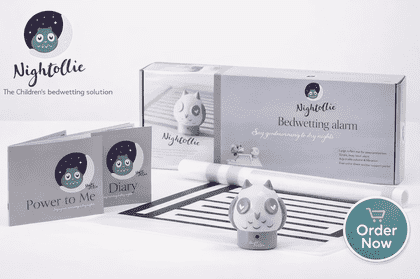
Bedwetting is a common childhood concern that affects families around the world. While many children outgrow nighttime bedwetting naturally, ongoing accidents can create stress, disrupt sleep, and impact a child’s confidence. Parents often try multiple approaches before finding one that truly works. Among all available options, a bed wetting alarm is widely recognised as one of the most effective and long-term solutions for helping children achieve dry nights.
This comprehensive guide explains what a bed wetting alarm is, how it works, why it is recommended by health professionals, and what parents can expect throughout the process.
Nighttime bedwetting, medically referred to as nocturnal enuresis, is usually developmental rather than behavioural. Most children who wet the bed are healthy and fully toilet trained during the day. The issue occurs because the connection between the bladder and the brain during sleep has not yet fully matured.
Several factors may contribute to bedwetting, including:
Deep sleep patterns
Delayed brain–bladder signalling
Increased urine production at night
Smaller functional bladder capacity
Family history of bedwetting
It is important to understand that bedwetting is not caused by laziness or lack of effort. Punishment or pressure often makes the situation worse by increasing anxiety.
A bed wetting alarm is a device designed to detect moisture and alert the child as soon as bedwetting begins. The alarm may produce a sound, vibration, or both. This alert helps the child wake up, stop urinating, and go to the bathroom.
Over time, the alarm trains the brain to recognise bladder signals during sleep. Eventually, many children begin to wake before an accident occurs. This learning-based process is what makes bed wetting alarms different from short-term or symptom-based solutions.
The success of a bed wetting alarm depends on repetition and consistency.
The process typically follows these steps:
Moisture is detected at the earliest stage
The alarm activates immediately
The child wakes and goes to the toilet
The brain starts associating bladder fullness with waking
Each time this sequence happens, the brain strengthens the connection between bladder signals and waking. With consistent use, many children begin waking independently before the alarm is triggered.
Health professionals frequently recommend bed wetting alarms as a first-line treatment for persistent bedwetting. This is because alarms address the underlying cause rather than masking the symptom.
Key reasons bed wetting alarms are recommended include:
High long-term success rates
No medication or side effects
Lower relapse rates compared to medication
Safe for long-term use
Support for natural neurological development
Unlike medication, which often stops working once discontinued, a bed wetting alarm helps children learn a lasting skill.
There are several types of bed wetting alarms available. Choosing the right one can improve comfort and effectiveness.
These alarms use a sensor mat placed under the fitted sheet. They detect moisture over a wider area and are well suited for younger children or restless sleepers.
Wearable alarms attach to underwear and detect moisture directly. They are often preferred by older children who want a more discreet option.
Alarms that include both sound and vibration are particularly helpful for deep sleepers, increasing the likelihood of waking promptly.
Most health professionals suggest using a bed wetting alarm when:
The child is typically five years or older
Bedwetting occurs regularly
The child shows some willingness to improve
Parents can provide support during the early stages
Starting too early or without parental involvement can reduce effectiveness.
Progress with a bed wetting alarm is gradual and varies from child to child.
During the first one to two weeks, alarms may sound frequently. Parents often need to help wake the child fully and guide them to the bathroom. Even if dry nights are rare at this stage, learning is still happening.
After several weeks, many children begin waking more quickly. Wet nights become less frequent, and confidence often improves.
With continued use, many children achieve consistent dry nights and wake independently. At this point, reliance on the alarm can gradually be reduced.
Consistency is the most important factor in success.
Parental involvement is critical, especially at the beginning. Children who sleep deeply may not wake fully when the alarm first sounds.
Parents can help by:
Responding quickly to the alarm
Ensuring the child wakes completely
Walking the child to the bathroom
Resetting the alarm together
Offering encouragement rather than pressure
This support helps reinforce learning and builds confidence.
Bedwetting can affect a child’s emotional wellbeing, particularly as they grow older and become more aware of social situations like sleepovers or school trips.
Using a bed wetting alarm can lead to:
Improved self-esteem
Reduced anxiety around bedtime
Better sleep quality for the whole family
Increased independence
A supportive and calm approach from parents makes a significant difference in emotional outcomes.
Parents may consider other options such as medication, waking schedules, or absorbent nightwear. While these may reduce accidents temporarily, they do not teach the brain to wake in response to bladder signals.
A bed wetting alarm stands out because it:
Encourages natural learning
Focuses on long-term dryness
Reduces dependence on temporary solutions
For this reason, alarms are often preferred for lasting results.
Children who sleep deeply may initially sleep through the alarm. Parental assistance and alarms with vibration can help overcome this.
Learning takes time. Even small improvements, such as faster waking, indicate progress.
Illness, stress, or changes in routine can cause temporary increases in bedwetting. Staying consistent usually restores progress.
Yes. When used consistently, bed wetting alarms have one of the highest long-term success rates for treating nighttime bedwetting.
Yes. Bed wetting alarms are non-invasive, drug-free, and safe for extended use.
Some families notice improvement within weeks, while full success may take a few months.
No. The goal is to teach the brain to wake naturally, reducing the need for the alarm over time.
Maintain a calm bedtime routine
Ensure easy access to the bathroom at night
Use positive reinforcement
Track progress visually if motivating for the child
Avoid punishment or shaming
Consistency and encouragement are key.
Bedwetting is a common developmental challenge, but it does not have to be faced without support. A bed wetting alarm offers a proven, respectful, and effective way to help children develop nighttime bladder control and achieve lasting dry nights.
By focusing on learning rather than temporary management, bed wetting alarms support both physical development and emotional wellbeing. With patience, consistency, and positive parental involvement, many families experience meaningful improvements in sleep, confidence, and overall quality of life.

© 2025 Crivva - Hosted by Airy Hosting Managed Website Hosting.