


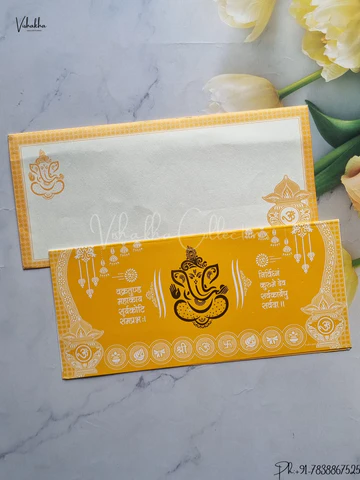
A wedding is not just a celebration—it is a sacred covenant, especially in Christian tradition, where marriage is viewed as a union blessed by God. One of the first glimpses guests get into this holy celebration is through the wedding invitation. Christian wedding cards carry more than just logistical details; they reflect faith, values, and the spiritual essence of the couple’s journey. Thoughtfully designed and worded, these cards set the tone for a meaningful and grace-filled ceremony.
Christian wedding cards are unique because they often incorporate religious elements such as Bible verses, prayers, and references to God’s blessings. These elements transform a simple invitation into a heartfelt expression of faith. For many couples, this is an opportunity to share their spiritual beliefs with loved ones and invite them to witness a union grounded in love, commitment, and divine guidance.
Unlike generic invitations, Christian wedding cards emphasize the sanctity of marriage. They often include phrases like “By the grace of God” or “With the blessings of the Lord,” which highlight the religious foundation of the event. This not only adds emotional depth but also aligns the celebration with Christian values.
A well-crafted Christian wedding card typically includes several essential components:
1. Opening with a Blessing
Most Christian wedding invitations begin with a spiritual note. This could be a Bible verse or a phrase acknowledging God’s presence. Popular verses include Corinthians 13:4-7 (“Love is patient, love is kind…”) or Genesis 2:24, which speaks about two becoming one.
2. Names of the Couple and Families
Traditionally, the names of the bride and groom are prominently featured, along with their parents’ names. This reflects the importance of family and community in Christian weddings.
3. Wedding Details
The date, time, and venue of the ceremony are clearly mentioned. If the wedding is taking place in a church, it is often highlighted as a sacred location.
4. Invitation Message
The wording is usually formal yet warm, inviting guests to join in celebrating the holy union. It may also mention a reception following the ceremony.
5. Closing Note with Blessings
The card often ends with a note expressing gratitude and seeking blessings for the couple’s future.
Christian wedding cards come in a variety of designs, ranging from traditional to modern. Classic designs often feature symbols like crosses, doves, rings, or floral patterns. These symbols carry deep meanings—crosses represent faith, doves symbolize peace and purity, and rings signify eternal love.
Modern designs, on the other hand, may blend minimalism with subtle religious elements. Soft pastel colors, elegant typography, and simple layouts are popular among couples who prefer a contemporary look while still honoring their faith.
For those who want something unique, customized illustrations or watercolor themes can add a personal touch. Including a favorite Bible verse or a meaningful quote can further enhance the card’s emotional value.
The wording of Christian wedding cards plays a crucial role in conveying the tone of the event. While traditional wording is still widely used, many couples today opt for a mix of formal and personal language. The key is to strike a balance between reverence and warmth.
For example, a traditional invitation might read:
“By the grace of God, we request the honor of your presence at the wedding of…”
A more modern version could be:
“With joyful hearts and God’s blessings, we invite you to celebrate our wedding…”
Both styles are appropriate, and the choice depends on the couple’s personality and the overall theme of the wedding.
With the rise of technology, digital wedding invitations have become increasingly popular. They are eco-friendly, cost-effective, and easy to share. Digital Christian wedding cards can include animations, music, or even a recorded message, adding a creative twist to the traditional format.
However, printed cards still hold a special charm. The tactile experience of receiving a beautifully crafted invitation cannot be replaced. Many families prefer printed cards for their elegance and keepsake value. In fact, some couples choose a hybrid approach—sending printed cards to close family members and digital invites to friends and colleagues.
Personalization is what truly makes a wedding card memorable. Couples can incorporate their love story, engagement photos, or even a timeline of their journey together. Adding a personal note or a short message about their faith can make the invitation more meaningful.
Some couples also include additional inserts, such as RSVP cards, maps, or details about pre-wedding events. These small touches not only enhance the guest experience but also reflect thoughtful planning.
The wording of Christian wedding cards plays a crucial role in conveying the tone of the event. While traditional wording is still widely used, many couples today opt for a mix of formal and personal language. The key is to strike a balance between reverence and warmth.
For example, a traditional invitation might read:
“By the grace of God, we request the honor of your presence at the wedding of…”
A more modern version could be:
“With joyful hearts and God’s blessings, we invite you to celebrate our wedding…”
Both styles are appropriate, and the choice depends on the couple’s personality and the overall theme of the wedding.
Christian wedding cards are more than just invitations—they are a reflection of a sacred promise and a celebration of love guided by faith. Whether you choose a traditional design or a modern style, the essence lies in conveying the spiritual significance of your union. By thoughtfully combining meaningful words, elegant design, and personal touches, you can create a wedding card that not only invites guests but also inspires them.
After all, a Christian wedding is not just about two people coming together—it is about inviting God to be at the center of a lifelong journey. And your wedding card is the first step in sharing that beautiful story.

© 2025 Crivva - Hosted by Airy Hosting Managed Website Hosting.