


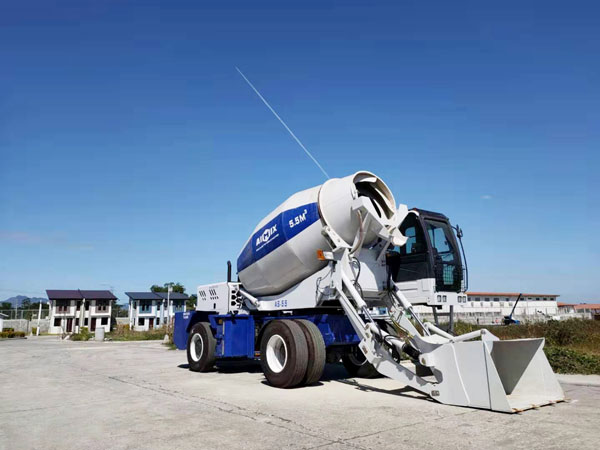
In modern construction, time and quality are everything. Projects need fast, reliable, and cost-effective solutions. That’s where the auto portable concrete mixer comes in. It is a machine that helps construction workers mix concrete right on site. This saves time, reduces labor, and improves the final result.
The auto portable concrete mixer is also known as a self-loading concrete mixer. It has become a key tool in many construction sites. With it, workers can load, mix, and unload concrete without extra help. In this blog, we will explore how this machine works, its benefits, and why it is a great choice for your next project.
An auto portable concrete mixer is a small, mobile machine. It mixes cement, sand, water, and other materials to make fresh concrete. Unlike traditional mixers, it can move around the job site easily. This makes it perfect for small to medium-sized projects.
The “self-loading” part means the machine can load the materials by itself. It has a built-in loader that scoops up sand, gravel, or other aggregates. Then, it measures the right amount of each material. After that, it adds water and starts mixing. This all happens inside the drum, which rotates to blend the ingredients into smooth concrete.
Because it is portable, the machine can go where the work is. You don’t need to transport mixed concrete from a plant. This saves fuel, time, and money. It also means the concrete is always fresh when it arrives at the pour point.
A self-loading concrete mixer has several important features. These make it different from other types of mixers. Let’s look at the main ones:
1. Automatic Loading System
The machine has a front bucket that can scoop up materials. It can measure the right amount of each ingredient automatically. This reduces human error and ensures consistent quality.
2. Onboard Weighing System
Most models come with a weighing system. It checks the weight of each material before mixing. This helps keep the mix ratio correct, which is important for strong concrete.
3. Water Tank and Pump
The mixer has a water tank and a pump. The operator can control the water flow precisely. This allows for the right water-to-cement ratio, which affects the strength of the concrete.
4. Drum Rotation and Discharge
The drum rotates to mix the materials thoroughly. When ready, the operator can tilt the drum to discharge the concrete. Some models have a chute to direct the flow to the exact spot.
5. Mobility and Size Options
These mixers are compact and easy to move. They often have wheels or tracks, so they can travel over rough ground. Sizes range from small units for tight spaces to larger ones for bigger jobs.
Using a portable concrete mixer offers many advantages. Here are some of the most important ones:
1. Time Savings
Mixing concrete on site eliminates waiting for delivery trucks. You can start pouring as soon as the mix is ready. This speeds up the whole construction process.
2. Cost Reduction
You save money on transportation and labor. There’s no need to hire extra workers to load and unload materials. The machine does most of the work on its own.
3. Better Quality Control
When you mix on site, you control the ingredients and the process. This means fewer chances of getting bad concrete. You can adjust the mix if needed, right away.
4. Less Waste
Traditional methods often lead to leftover concrete. With a portable mixer, you only make what you need. This reduces waste and saves money.
5. Flexibility
The machine can go anywhere on the job site. You can pour concrete in hard-to-reach areas without long hoses or pipes. This is very useful for foundations, sidewalks, and repairs.
Picking the right self-loading concrete mixer depends on your project needs. Here are some things to consider:
1. Output Capacity
Think about how much concrete you need per hour. Small units may produce 1–2 cubic meters per batch. Larger ones can do 4–5 cubic meters. Choose one that matches your daily output.
2. Engine Power
More power means better performance on rough ground. Diesel engines are common because they are strong and reliable. Check the engine size and fuel efficiency.
3. Ease of Operation
Look for a model with simple controls. Operators should be able to learn quickly. Some machines have digital displays to show mix ratios and water levels.
4. Maintenance Needs
Regular maintenance keeps the machine running well. Choose a model with easy access to parts. Ask the supplier about service support and spare parts availability.
5. Price and Warranty
Compare prices from different brands. A good warranty shows the manufacturer’s confidence in their product. Don’t just buy the cheapest option—look for value.
Portable concrete mixers are used in many types of construction. Here are some examples:
1. Residential Building
For small homes, patios, and driveways, a portable mixer is perfect. It allows quick mixing and pouring without large equipment.
2. Road Repair and Paving
On road projects, these mixers can fill potholes and repair sections. They are easy to move along the road and can work in narrow spaces.
3. Foundation Work
When building foundations, you need fresh concrete at the right time. A portable mixer delivers it exactly where it’s needed.
4. Rural and Remote Areas
In places without access to ready-mix plants, a self-loading mixer is a lifesaver. It brings the plant to the site.
5. Precast Element Production
Some factories use portable mixers to make precast blocks, panels, and poles. The mobility helps in moving the machine between production lines.
To get the best results, follow these tips:
1. Check Materials Before Loading
Make sure sand, gravel, and cement are clean and free of debris. Dirty materials can weaken the concrete.
2. Measure Accurately
Use the onboard scales to measure each ingredient. Follow the correct mix design for your project.
3. Monitor Water Content
Too much water makes weak concrete. Too little makes it hard to pour. Adjust the water flow carefully.
4. Clean the Drum After Use
Rinse the drum with water to remove any leftover concrete. This prevents buildup and extends the life of the machine.
5. Train Your Operators
Proper training ensures safe and efficient operation. Teach them how to handle the machine in different conditions.
The auto portable concrete mixer is a smart choice for many construction tasks. It combines mobility, automation, and efficiency in one package. Whether you are working on a small home project or a large repair job, this machine can save time and money.
With features like automatic loading, onboard weighing, and precise water control, it delivers consistent quality. Its portability means you can take it anywhere on site. This flexibility makes it ideal for rural areas, tight spaces, and urgent repairs.
If you want to improve your construction workflow, consider investing in a self-loading concrete mixer. It’s a practical tool that pays off in the long run. Choose the right model for your needs, maintain it well, and train your team to use it safely. In today’s fast-paced construction world, having the right equipment makes all the difference.

© 2025 Crivva - Hosted by Airy Hosting Managed Website Hosting.








