Ashtanga Yoga is one of the most profound and structured systems of yoga, offering a complete path for physical, mental, and spiritual development. The term “Ashtanga” comes from Sanskrit, where “Ashta” means eight and “Anga” means limbs. Together, it refers to the eightfold path of yoga, a framework designed to guide practitioners toward self-realization and inner peace.
Unlike modern yoga practices that often focus only on physical postures, Ashtanga Yoga presents a holistic lifestyle. It emphasizes discipline, ethical living, breath control, and meditation, ultimately leading to a state of harmony between the body and mind.
Origin and Philosophy of Ashtanga Yoga
Ashtanga Yoga was systematized by the ancient sage Patanjali in the Yoga Sutras, one of the most important classical texts on yoga philosophy. These teachings, developed over 2,000 years ago, outline a structured approach to achieving spiritual liberation and mental clarity.
Patanjali described yoga not merely as exercise but as a path of transformation. The eight limbs of Ashtanga Yoga serve as progressive steps, guiding practitioners from external practices like ethical behavior and posture to internal practices such as meditation and self-realization.
The ultimate goal of this system is to achieve Samadhi, a state of deep absorption and union with higher consciousness.
Understanding the Eight Limbs of Ashtanga Yoga
The eight limbs form the foundation of Ashtanga Yoga. Each limb plays a vital role in shaping a balanced and mindful life.
1. Yama (Ethical Restraints)
Yama refers to moral principles that guide how we interact with others and the world around us. These include non-violence (Ahimsa), truthfulness (Satya), non-stealing (Asteya), moderation (Brahmacharya), and non-possessiveness (Aparigraha).
These ethical guidelines encourage compassion, honesty, and responsible behavior in daily life.
2. Niyama (Personal Observances)
Niyama focuses on self-discipline and inner practices. It includes cleanliness (Saucha), contentment (Santosha), discipline (Tapas), self-study (Svadhyaya), and surrender to a higher power (Ishvara Pranidhana).
This limb helps cultivate a positive mindset and a deeper connection with oneself.
3. Asana (Physical Postures)
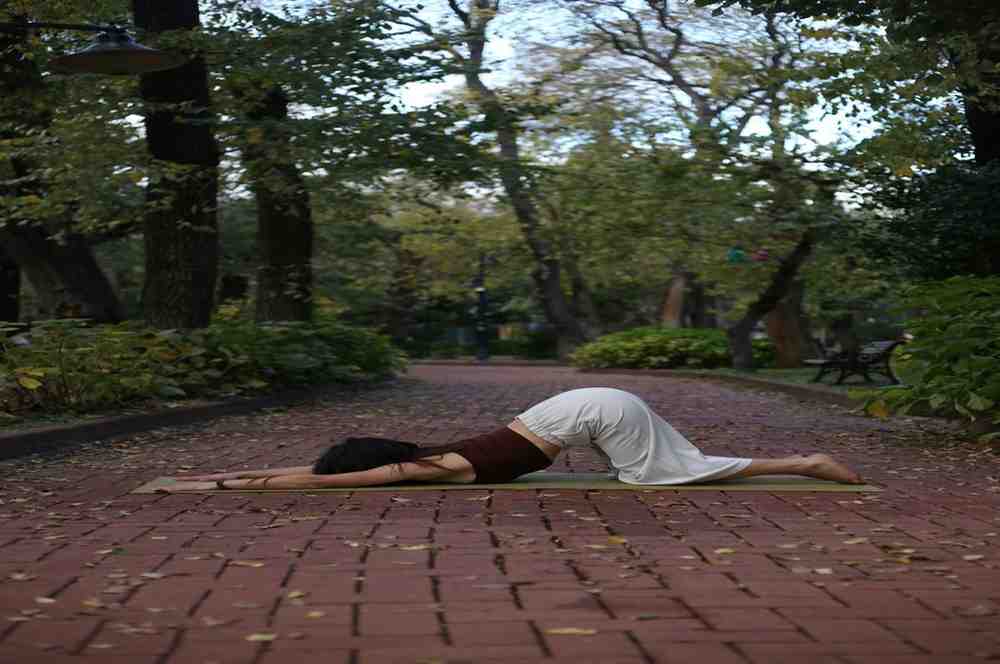
Asana refers to the physical poses practiced in yoga. While many people associate yoga primarily with postures, in Ashtanga Yoga, asana is just one part of a much larger system.
The purpose of asanas is to build strength, flexibility, and stability, preparing the body for meditation and deeper practices.
4. Pranayama (Breath Control)
Pranayama involves regulating the breath to control the flow of energy within the body. Breath is considered a bridge between the body and mind, and mastering it can lead to improved focus and emotional balance.
Regular pranayama practice helps calm the nervous system and enhances overall well-being.
5. Pratyahara (Withdrawal of the Senses)
Pratyahara is the practice of turning inward by withdrawing attention from external distractions. It allows practitioners to gain control over their senses and develop inner awareness.
This stage acts as a bridge between external practices and internal concentration.
6. Dharana (Concentration)
Dharana involves focusing the mind on a single point, such as the breath, a mantra, or an object. It trains the mind to remain steady and reduces mental distractions.
This stage is essential for developing deeper levels of meditation.
7. Dhyana (Meditation)
Dhyana is the state of continuous and uninterrupted meditation. In this stage, the mind becomes fully absorbed, leading to a sense of peace and clarity.
It is a deeper extension of concentration where awareness flows effortlessly.
8. Samadhi (State of Bliss or Enlightenment)
Samadhi is the final and highest stage of Ashtanga Yoga. It represents complete union with the self and a state of profound inner peace and awareness.
In this state, the practitioner transcends the ego and experiences pure consciousness.
Ashtanga Yoga as a Holistic Lifestyle
One of the most important aspects of Ashtanga Yoga is that it is not limited to the yoga mat. It is a complete lifestyle that influences how you think, act, and interact with others.
The first two limbs, Yama and Niyama, focus on ethical and personal discipline, showing that yoga begins with how we live our daily lives. The physical and breathing practices (Asana and Pranayama) prepare the body and mind, while the final four limbs guide practitioners toward inner awareness and spiritual growth.
This comprehensive approach makes Ashtanga Yoga a powerful tool for achieving balance in all aspects of life.
Difference Between Ashtanga Yoga and Modern Yoga Styles
In modern times, the term “Ashtanga Yoga” is often associated with a dynamic style of yoga that involves a fixed sequence of poses. While this physical practice is inspired by traditional teachings, it represents only a small part of the original eight-limbed path.
Traditional Ashtanga Yoga, as described by Patanjali, is a complete philosophical system that goes beyond physical exercise. It integrates ethics, discipline, breath control, and meditation to create a balanced and meaningful life.
Understanding this distinction helps practitioners appreciate the deeper purpose of yoga.
Benefits of Practicing Ashtanga Yoga
Practicing Ashtanga Yoga regularly offers numerous benefits for the body, mind, and spirit.
Physically, it improves strength, flexibility, posture, and overall fitness. The structured approach of asanas helps build endurance and balance.
Mentally, it enhances focus, reduces stress, and promotes emotional stability. Practices like pranayama and meditation calm the mind and improve clarity.
Spiritually, Ashtanga Yoga encourages self-awareness and inner growth. By following the eight limbs, practitioners can develop a deeper understanding of themselves and their purpose.
How to Incorporate Ashtanga Yoga into Daily Life
Incorporating Ashtanga Yoga into your routine does not require drastic changes. You can start by practicing simple asanas and breathing techniques daily. Gradually, you can include meditation and mindfulness practices.
Living according to the principles of Yama and Niyama is equally important. Practicing kindness, honesty, discipline, and self-reflection in everyday life brings the true essence of yoga into your routine.
Consistency and patience are key. Ashtanga Yoga is a journey, not a destination.
Why Ashtanga Yoga is Still Relevant Today
In today’s fast-paced world, stress, distractions, and imbalance are common challenges. Ashtanga Yoga provides a timeless framework to navigate these challenges with awareness and discipline.
Its emphasis on ethical living, mental clarity, and spiritual growth makes it highly relevant even in modern life. It teaches us how to live with intention, maintain balance, and cultivate inner peace.
Conclusion
Ashtanga Yoga is much more than a series of physical exercises—it is a complete system for living a balanced and meaningful life. Through its eight limbs, it guides practitioners from external practices to inner transformation, ultimately leading to self-realization and peace.
By understanding and practicing the principles of Ashtanga Yoga, you can move beyond the physical aspects of yoga and experience its deeper benefits. Whether you are a beginner or an advanced practitioner, this ancient path offers valuable tools to improve your well-being and connect with your true self.