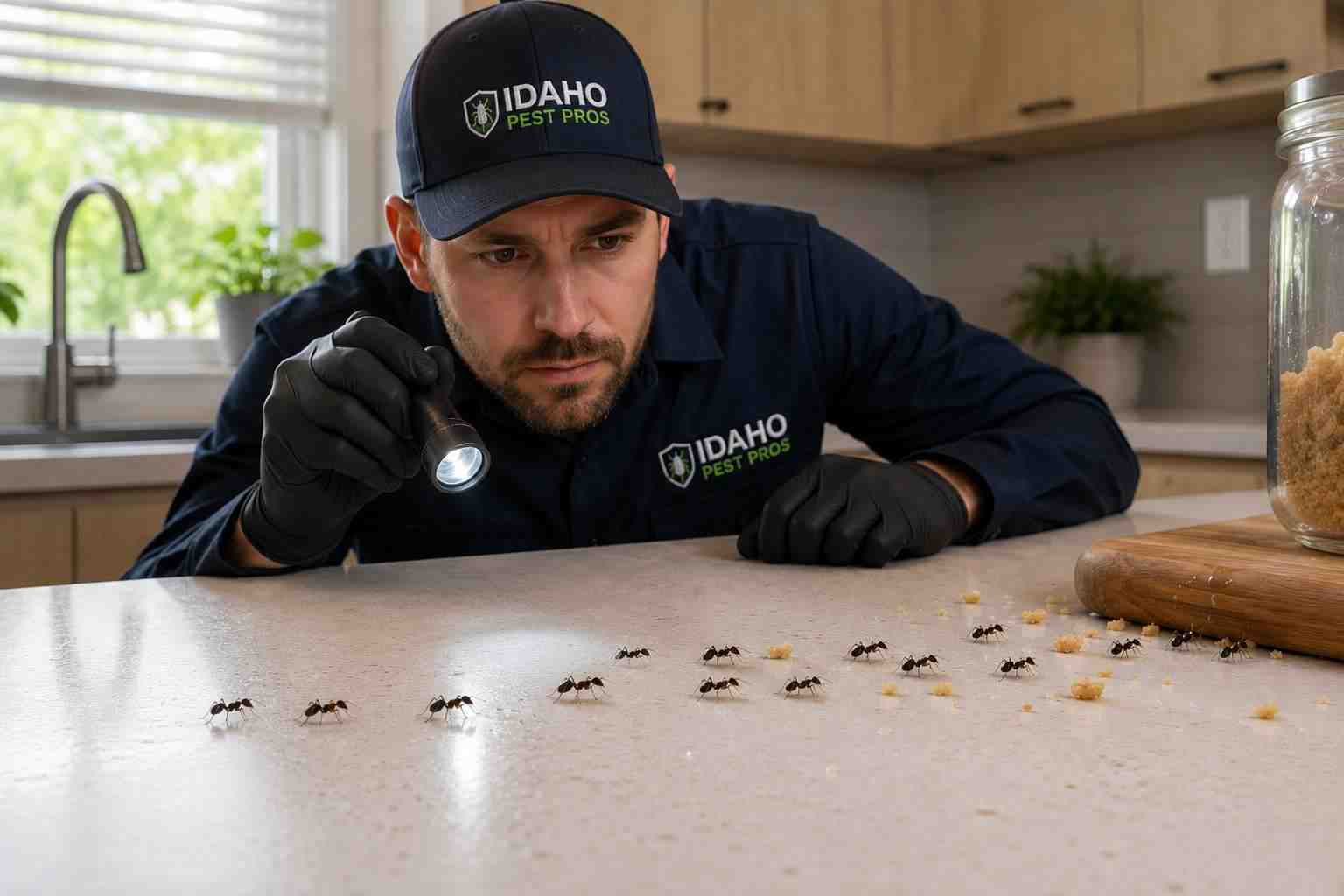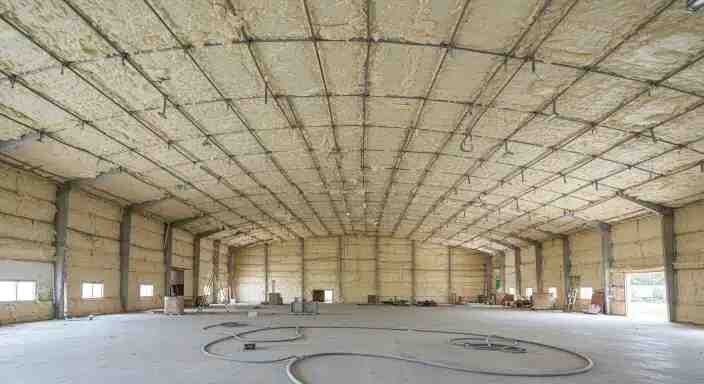
Rodents and insects are naturally drawn to buildings with poor insulation because these spaces offer warmth, shelter, and easy access points. When insulation is damaged, thin, or improperly installed, it creates gaps and temperature inconsistencies that make homes far more inviting to pests looking for survival conditions.
In many residential and commercial structures, insulation is not just about energy efficiency. It also acts as a physical barrier. Once that barrier weakens, pests can enter wall cavities, attics, and crawl spaces with little resistance. This is why high quality insulation often plays a direct role in pest activity levels inside a property.
Professionals in building science and pest control consistently point out that insulation issues and infestations tend to go hand in hand. Contractors working in regions with fluctuating temperatures, such as California’s Central Valley, often report higher pest intrusion in properties with aging or poorly installed insulation systems.
Poor insulation creates a combination of warmth, shelter, and concealment that rodents and insects actively seek. These conditions mimic natural nesting environments, which is why attics and wall voids often become long-term infestation zones.
Market observations from insulation contractors show that homes with compromised insulation can experience up to 30% higher likelihood of pest entry compared to properly sealed structures. In pest management reports, insulation-related entry points rank among the top three causes of recurring infestations.
Energy efficiency studies also reveal another connection. Buildings with degraded insulation often lose 20% to 40% more heat or cool air, which indirectly attracts pests seeking stable microclimates.

Rodents and insects are not randomly entering buildings. They respond to environmental signals that poor insulation unintentionally creates. These signals include heat leakage, structural gaps, and moisture pockets.
Many pest issues begin with specific insulation failures that go unnoticed for years. These problems create structural weaknesses that pests exploit.
|
Insulation Problem |
Effect on Structure |
Type of Pest Attracted |
Risk Level |
|---|---|---|---|
|
Gaps and air leaks |
Heat escape and entry points |
Mice, rats, ants |
High |
|
Moist or damp insulation |
Mold and humidity buildup |
Cockroaches, termites |
High |
|
Old fiberglass insulation |
Easy nesting material |
Rodents, spiders |
Medium |
|
Poor attic coverage |
Temperature imbalance |
Rodents, wasps |
High |
|
Crushed insulation layers |
Loss of barrier protection |
Multiple insects |
Medium |
In field inspections across suburban housing, contractors report that over 35% of pest infestations begin in attic spaces where insulation has been compressed or displaced. Another industry review shows that nearly 25% of recurring rodent cases are linked to structural insulation gaps.
Climate plays a major role in how insulation failures attract pests. In warmer regions such as Fresno and surrounding Central Valley areas, heat cycles and dry conditions create unique challenges.
In California-based property maintenance reports, pest control calls increase by nearly 18% during peak summer months, with insulation-related entry points being a common factor. Energy audits also show that older homes in warm climates lose significantly more cooling efficiency due to deteriorated insulation layers.
Supreme Spray Foam – Fresno often notes that homes with updated insulation systems report fewer pest intrusion cases, especially in attic and crawl space zones where temperature regulation is most critical.
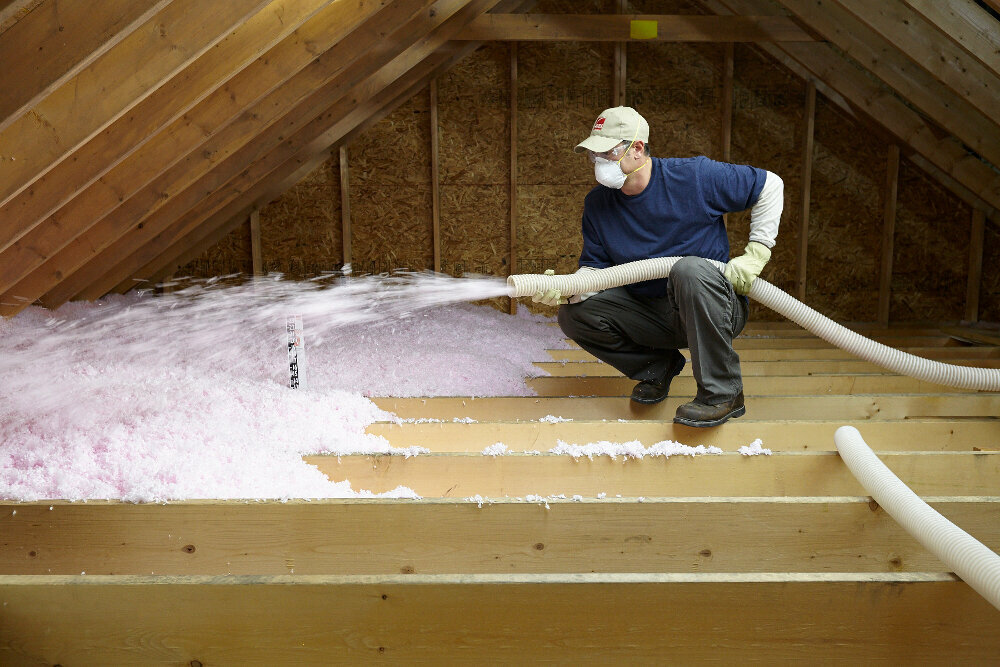
Before deciding on repairs or upgrades, property owners benefit from understanding a few practical factors. These considerations help identify whether insulation issues are contributing to pest activity.
Rodents enter insulated walls because they provide warmth, darkness, and safety from predators. Damaged insulation makes entry easier.
Yes, properly sealed insulation reduces entry points and removes nesting opportunities, making it harder for pests to settle inside walls.
Mice, rats, ants, cockroaches, and sometimes wasps are commonly found in damaged or poorly sealed insulation areas.
Spray foam insulation expands to fill gaps, reducing entry points and limiting hidden nesting areas for rodents and insects.
Most professionals recommend checking insulation every 1 to 2 years, especially in attics and crawl spaces.
Poor insulation creates ideal conditions for rodents and insects by offering warmth, shelter, and unnoticed entry points. Over time, these conditions lead to recurring infestations and structural damage that can be expensive to repair. Regular inspection and timely upgrades help reduce these risks while improving energy efficiency.
Property owners benefit from treating insulation as both an energy and pest control factor. A well-sealed structure limits pest movement and supports a healthier indoor environment.
Property owners looking to address insulation issues tied to pest activity can rely on experienced professionals for guidance and installation support. Supreme Spray Foam – Fresno provides insulation services designed to reduce air gaps, improve thermal stability, and limit pest entry points in residential and commercial buildings.
For detailed assessments or service inquiries, contact [email protected] or call (559) 545-0800. A consultation can help identify insulation weaknesses and outline practical solutions tailored to your property’s condition and climate needs.

© 2025 Crivva - Hosted by Airy Hosting Managed Website Hosting.