Healthcare cleaning is a critical component of patient safety and infection control. Hospitals, clinics, aged care facilities, and medical offices are high-risk environments for the spread of pathogens. Professional healthcare cleaning is not just about maintaining a tidy appearance—it plays a vital role in protecting patients, staff, and visitors from healthcare-associated infections (HAIs) while ensuring compliance with regulatory standards.
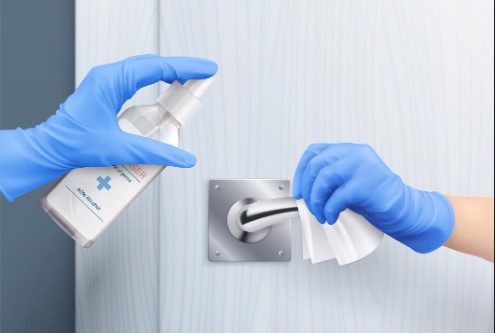
Healthcare environments contain a higher concentration of bacteria, viruses, and other pathogens. Pathogens can survive on surfaces for hours or even weeks, making high-touch areas like door handles, light switches, countertops, and medical equipment hotspots for potential transmission.
Mechanisms of Action:
Physical Removal: Cleaning with soap or detergent and water physically lifts dirt, organic matter, and a significant portion of germs from surfaces. While this step doesn’t necessarily kill pathogens, it reduces their presence and limits their spread.
Chemical Inactivation: Disinfectants or sanitizers are applied after cleaning to kill or irreversibly inactivate remaining pathogens. Hospital-grade products like bleach or alcohol-based solutions disrupt microbial cell membranes and DNA, preventing infections.
Breaking the Chain of Transmission: Effective cleaning removes or kills pathogens from surfaces, preventing transfer to hands, food, or other individuals. This is particularly crucial in areas frequently accessed by patients and staff.
Best Practices:
Always clean before disinfecting.
Prioritize high-touch surfaces such as phones, keyboards, faucet handles, and countertops.
Use appropriate cleaning products for each surface type.
Ensure adequate ventilation when using chemical disinfectants.
Practice strict hand hygiene and use fresh equipment for each cleaning session.
Preparation:
Read and follow product instructions for dilution, application, and contact time.
Pre-clean surfaces to remove visible soil for maximum disinfectant effectiveness.
Dilute concentrates accurately; improper dilution can reduce efficacy or cause damage.
Application:
Wear appropriate PPE including gloves and masks.
Use non-abrasive cloths or sponges, especially for delicate surfaces.
Wipe surfaces in systematic patterns (e.g., S-shaped motion) from cleanest to dirtiest areas.
Pay attention to crevices, corners, and joints.
Final Steps:
Ensure surfaces remain wet for the full contact time.
Rinse if required.
Change wipes or cloths between surfaces to prevent cross-contamination.
Store cleaning products in cool, dry areas and monitor their effectiveness.
Professional healthcare cleaning plays a pivotal role in reducing HAIs. Core principles include:
Cleaning from less contaminated to more contaminated areas.
Prioritizing high-touch surfaces in patient rooms, restrooms, and common areas.
Using appropriate disinfectants and microfiber cloths for effective cleaning.
Following consistent cleaning techniques to ensure comprehensive coverage.
Staff Training and Hygiene:
Provide regular training on infection control, cleaning protocols, and PPE usage.
Enforce hand hygiene among staff, particularly before and after patient contact.
Conduct audits and provide feedback to maintain compliance and improve cleaning quality.
Integrated Approach:
Combining enhanced cleaning protocols with staff education, hand hygiene, and device care ensures the best outcomes in infection prevention.
High-touch surfaces are a common source of pathogen transmission. Germs can survive on surfaces for extended periods and transfer via hands to other individuals or items.
Cleaning and Disinfection Process:
Step 1: Clean to remove dirt and debris, which also removes most germs.
Step 2: Disinfect to kill remaining microorganisms. Disinfectants must remain on surfaces for the manufacturer-recommended contact time.
Examples of High-Touch Surfaces:
Door handles and light switches
Countertops and tables
Shared equipment (exercise machines, kiosks)
Bathroom fixtures and faucets
Handrails on stairs and public areas
Effective cleaning and disinfection reduce the risk of infection transmission and maintain a safer environment for patients and staff.
Compliance with regulatory hygiene standards is essential in healthcare settings. Key strategies include:
Risk-Based Cleaning Schedules: Develop daily, weekly, and monthly schedules based on risk assessments, prioritizing high-touch and high-risk areas.
Standard Operating Procedures (SOPs) and Hygiene Zoning: Define step-by-step procedures and implement color-coded cleaning tools to prevent cross-contamination.
Approved Cleaning Agents and Equipment: Use industry-approved disinfectants at the correct concentration and contact time. Invest in HEPA-filter vacuums and electrostatic disinfecting technology for thorough coverage.
Staff Training and Hygiene: Continuous education on proper cleaning, PPE usage, and infection control is crucial.
Waste Management: Segregate general, clinical, and hazardous waste, using high-capacity labeled bins and following strict disposal protocols.
Auditing and Monitoring: Regular inspections, checklists, and digital logs ensure compliance and effectiveness.
Facility Maintenance: Well-maintained spaces reduce bacterial accumulation and facilitate cleaning.
Culture of Cleanliness: Encourage all staff to uphold hygiene standards and report potential risks.
Maintaining a safe patient environment requires a structured and systematic approach:
Risk-Based Cleaning: High-touch and high-risk areas require more frequent and thorough cleaning than low-touch areas.
Two-Step Process: Cleaning with detergent first, followed by disinfection, ensures effective pathogen removal. Some facilities use combined detergent-disinfectants for efficiency.
Proper Equipment: Microfiber cloths and hospital-grade disinfectants enhance cleaning efficacy.
Systematic Approach: Clean using consistent patterns and avoid cross-contamination.
Waste Management: Proper disposal of blood, body fluids, sharps, and contaminated PPE is essential.
Ventilation: Adequate airflow reduces airborne pathogen concentrations.
Staff competency is critical for effective infection control. Training must cover:
Hazard Communication: Understanding product labels, SDS, and health risks.
PPE: Correct donning, doffing, and disposal of gloves, masks, and gowns.
Biohazard and Infection Control: Protocols for cleaning and disposing of infectious materials.
Emergency Response: Handling spills, exposure, and accidents safely.
Specific Environments: Confined spaces, industrial settings, and high-risk areas require specialized training.
Safe Work Practices: Preventing injuries, slips, and compliance with regulatory standards.
Training methods include onboarding, hands-on practice, online modules, and regular refreshers to maintain competency.
Standardized protocols are essential for effective infection control:
Define step-by-step cleaning procedures and required products.
Disinfect high-touch surfaces regularly.
Follow a cleaning hierarchy (cleaner areas to dirtier areas).
Implement deep cleaning schedules for patient rooms, restrooms, and common areas.
Enforce hand hygiene and PPE compliance.
Train staff and monitor adherence through audits.
Maintain air quality and manage waste effectively.
Patient Safety:
Reduces HAIs such as MRSA, C. difficile, and VRE.
Focuses on high-touch surfaces and shared medical devices.
Uses risk-based cleaning for routine and high-risk areas.
Manages spills and medical waste safely to prevent contamination.
Patient Trust:
Visible cleanliness provides psychological comfort and a sense of safety.
Demonstrates professionalism and competence.
Enhances satisfaction scores and strengthens facility reputation.
Professional healthcare cleaning is an essential line of defense against healthcare-associated infections. It protects vulnerable patients and staff, ensures regulatory compliance, builds patient trust, and supports a safe, efficient, and cost-effective healthcare environment. By implementing systematic cleaning protocols, training staff, focusing on high-touch surfaces, and adhering to evidence-based infection control practices, healthcare facilities can significantly reduce infection risks and enhance the quality of care.

© 2025 Crivva - Hosted by Airy Hosting Managed Website Hosting.