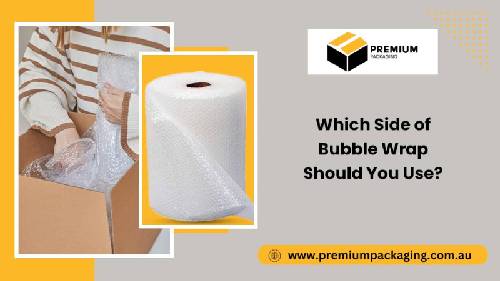
When it comes to protecting fragile items during transit, bubble wrap is one of the most reliable and widely used packaging materials in Australia. But one question continues to confuse customers and even businesses: which side of bubble wrap should you use?
Should the bubbles face inwards or outwards? Does it even matter?
In short, yes, it does matter. Using bubble wrap correctly can mean the difference between an item arriving safely and being damaged in transit. In this article, we’ll explain exactly how to use bubble wrap for optimal protection, offer expert bubble wrap packing tips, and explore other essential topics every Australian business or household should know about protective packaging.
Bubble wrap is designed to create a cushioning layer that absorbs shock and vibration. Its primary function is to protect fragile or delicate items from impact, scratches, and breakage during handling and transport.
Key advantages of bubble wrap:
From e-commerce retailers to home movers, bubble wrap remains an essential material in the world of packaging.
The correct way to use bubble wrap is with the bubble side facing inward, directly against the item you’re wrapping.
This ensures:
The flat side should face outward to make it easier to tape and secure your wrapped item, creating a smooth exterior that slides easily into boxes or satchels without catching.
Understanding the structure of bubble wrap helps explain why this method is most effective.
Bubble wrap is made up of two layers:
Placing the bubbles inward means:
Incorrectly wrapping with the flat side inside can significantly reduce the protective effect.
Now that you know the correct orientation, here are practical bubble wrap packing tips to ensure the best results:
Never wrap multiple fragile items together. Wrap each item separately to prevent them from clashing during transit.
For highly delicate items such as ceramics or electronics, use two layers of bubble wrap (with bubbles inwards) for added protection.
Use strong, packaging-grade tape to hold the bubble wrap in place. Avoid using household tape, which can come loose during transport.
For items like framed photos or tech devices, pre-cut sheets or bubble pouches can speed up the packing process.
To enhance protection, line the inside of your box with bubble wrap before inserting items. This creates a soft boundary around your product.
Not all bubble wrap is created equal. Choosing the right type can further enhance your packaging effectiveness.
At Premium Packaging, we offer a comprehensive range of packaging materials, including various bubble wrap sizes and grades, tailored to meet your specific packing needs.
Let’s walk through a step-by-step method for packing a fragile item such as a ceramic vase or glassware:
This method guarantees optimal bubble wrap protection and minimal movement during shipping.
While bubble wrap is a powerful protective tool, it works best when combined with other materials as part of a comprehensive packaging strategy.
Suggested complements:
Premium Packaging offers packaging supplies in Sydney that pair seamlessly with bubble wrap to provide multi-layer protection for all shipping needs.
Although traditional bubble wrap is made from plastic, many customers today are seeking sustainable solutions.
Eco-conscious options include:
At Premium Packaging, we are dedicated to helping businesses make more sustainable packaging choices without compromising safety or cost-effectiveness.
Avoid these pitfalls to ensure your items are truly protected:
Always follow best practices to maximise the value of your bubble wrap investment.
As a leading package supplier in Australia, Premium Packaging offers reliable and cost-effective solutions for businesses, retailers, and homeowners. Our expertise in bubble wrap for packing, combined with our commitment to local stock availability, makes us a trusted name in protective packaging.
What we offer:
Whether you’re relocating, shipping products, or storing valuables, Premium Packaging is here to help you pack with confidence.
Understanding which side of bubble wrap to use may seem like a small detail—but it makes a significant difference in how well your items are protected. With bubbles facing inward, you maximise cushioning and minimise the risk of breakage.
For individuals and businesses alike, proper packaging is a crucial component of logistics and customer satisfaction. With the right materials and guidance, you can ensure every item arrives in perfect condition.
For a reliable supply of bubble wrap, packaging materials, and expert advice, contact Premium Packaging—your trusted Australian package supplier.
The bubbles should face inward, directly against the item. This offers the best cushioning and protection.
Yes. As long as the bubbles are intact and the material is clean, bubble wrap can be reused multiple times.
Traditional bubble wrap is recyclable through soft plastic recycling programs, though availability varies by council. Some newer types are biodegradable or compostable.
Anti-static bubble wrap is designed for electronic components, preventing static discharge that could damage sensitive parts.
Generally, use at least two layers for fragile items. Heavier or high-value items may require more protection or a combination of protection methods.
Absolutely. Bubble wrap protects the item, but a sturdy outer box provides structure and defence against external impacts.
Yes. Premium Packaging stocks biodegradable and recyclable bubble wrap solutions, enabling businesses to meet their sustainability targets.
Know more https://premiumpackaging.com.au/blog/bubble-wrap-use/

© 2025 Crivva - Hosted by Airy Hosting Managed Website Hosting.