


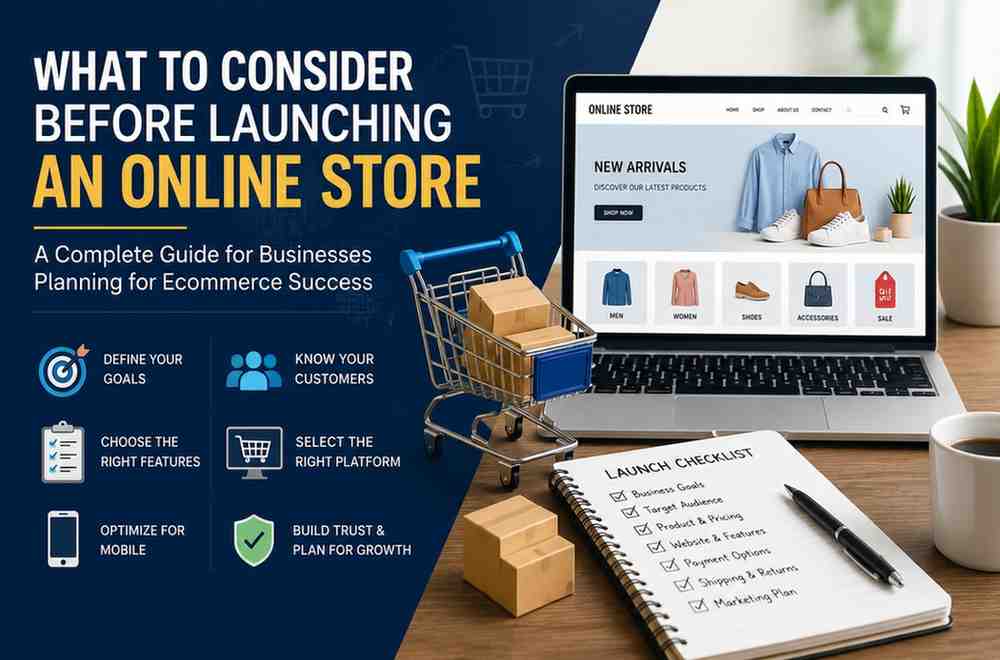
Launching an online store can be an exciting step for any business. Whether you’re a local retailer expanding your reach, an entrepreneur turning an idea into reality, or an established brand exploring new revenue channels, ecommerce presents significant opportunities for growth.
However, many businesses underestimate what it takes to build a successful online store. Creating an ecommerce website isn’t just about selecting a template, uploading products, and waiting for sales to happen. Behind every seamless shopping experience is thoughtful planning, strategic decision-making, and a clear understanding of customer expectations.
Businesses often focus heavily on design while overlooking operational considerations such as order fulfillment, customer support processes, and post-purchase communication. These behind-the-scenes elements play a critical role in shaping the overall customer experience and long-term business success.
The businesses that succeed online are often the ones that prepare before they launch. Taking the time to evaluate your goals, understand your audience, and identify the right technology can save time, reduce costly mistakes, and create a stronger foundation for long-term growth.
Businesses preparing to launch an online store often benefit from establishing measurable objectives early in the planning process.
Before choosing a platform or discussing design preferences, it’s important to clarify what you want your online store to achieve.
Ask yourself questions such as:
Having clear answers to these questions can help guide future decisions related to budget, functionality, and scalability.
One of the most common mistakes businesses make is building an online store based solely on internal preferences rather than customer expectations.
Think about how your customers shop online. Are they likely to browse from mobile devices? Do they need detailed product information before making a purchase? Do they value speed and convenience, or are they looking for personalized recommendations?
Understanding customer behavior can help shape decisions about navigation, product presentation, payment options, and the overall user experience.
The better you understand your audience, the easier it becomes to create an online store that truly serves their needs.
Modern consumers expect online stores to deliver convenience, transparency, and trust.
Depending on your business model, some important features may include:
Rather than focusing on having every available feature, prioritize the functionality that will genuinely improve the shopping experience.
Many businesses discover that the real work begins after launch. Updating product catalogs, managing customer expectations, optimizing checkout experiences, and responding to user feedback all play an important role in sustaining growth.
As your business grows, your ecommerce website should be able to support increasing traffic, expanding product catalogs, and changing customer expectations.
Businesses that plan for scalability early often avoid major disruptions later. This includes considering future integrations, marketing requirements, operational workflows, and ongoing maintenance needs.
Before making technical decisions, many businesses find value in reviewing a comprehensive eCommerce website development guide to better understand the planning, design, development, and optimization stages involved in creating a successful online store.
There is no universal solution for ecommerce platforms. Whether businesses choose Shopify, WooCommerce, Magento, or other ecommerce solutions, the ideal platform should align with operational needs, growth objectives, and customer expectations.
Some businesses prioritize ease of use, while others require advanced customization capabilities. Factors such as inventory complexity, third-party integrations, and multichannel selling capabilities should also influence your decision.
Leading business publications such as Forbes have highlighted how successful ecommerce brands often prioritize customer experience alongside technology investments. The most effective ecommerce strategies focus on making shopping simple, intuitive, and trustworthy.
In addition to functionality, businesses should carefully evaluate factors such as performance, flexibility, and long-term search visibility when choosing the right ecommerce platform for SEO.
Mobile commerce continues to shape how consumers interact with online businesses.
Today’s shoppers expect websites to function seamlessly across devices. Slow loading speeds, difficult navigation, or complicated checkout experiences can quickly lead to abandoned purchases.
Prioritizing mobile optimization means considering:
Providing a positive mobile experience is no longer optional. It has become an essential part of delivering exceptional customer experiences.
Trust plays a significant role in purchasing decisions.
Customers are more likely to complete transactions when they feel confident in the legitimacy and reliability of an online store.
Businesses can strengthen trust by:
Small details often influence purchasing decisions more than businesses realize.
Many businesses focus heavily on launching their online store but overlook what comes next.
Post-launch success often depends on continuous improvement. Monitoring customer feedback, analyzing user behavior, improving conversion rates, updating product offerings, and refining marketing efforts all contribute to long-term growth
Successful ecommerce businesses treat their websites as evolving assets rather than one-time projects.
Remaining adaptable allows businesses to respond effectively to changing customer expectations and emerging market trends.
Launching an online store involves much more than selecting a platform and adding products. Businesses that invest time in planning often position themselves for stronger performance, smoother operations, and better customer experiences.
By understanding customer expectations, carefully evaluating technology, and preparing for future growth, businesses can build online stores that support both immediate goals and long-term success.
The most successful ecommerce journeys rarely happen by accident. They begin with thoughtful preparation, informed decision-making, and a commitment to creating experiences that customers value.
Businesses should evaluate their goals, understand their target audience, identify essential features, choose the appropriate technology, and plan for future growth before launching an online store.
Mobile optimization is critical because a growing number of consumers browse and purchase products using smartphones and tablets. A poor mobile experience can negatively impact conversions and customer satisfaction.
While requirements vary by industry, common features include secure payment gateways, responsive design, search functionality, customer reviews, inventory management, and streamlined checkout.
The right platform depends on factors such as budget, scalability requirements, customization needs, technical expertise, and long-term business objectives.
The timeline varies depending on the complexity of the project. Basic ecommerce websites can often be launched within a few weeks, while custom solutions involving advanced integrations may take several months.
Templates offer affordability and faster implementation, while custom ecommerce development provides greater flexibility and scalability. The right approach depends on budget, business goals, and future growth plans.

© 2025 Crivva - Hosted by Airy Hosting Managed Website Hosting.