Rigid packaging is made from solid, inflexible materials that retain their shape throughout storage, transport, and use. It is commonly used for products that require strong protection, premium presentation, or long shelf life.
Rigid packaging plays a major role across retail, e-commerce, food, cosmetics, electronics, and industrial sectors. This guide explains rigid packaging in plain terms, compares it with flexible packaging, and outlines current trends shaping how Australian businesses choose packaging today.
Rigid packaging is packaging that does not bend or collapse under normal handling conditions. Once formed, it keeps its shape, offering consistent structure and protection.
Rigid packaging material is usually made from:
Unlike flexible packaging, rigid packaging provides a fixed form. This makes it ideal for products that need physical protection, visual appeal, or precise stacking.
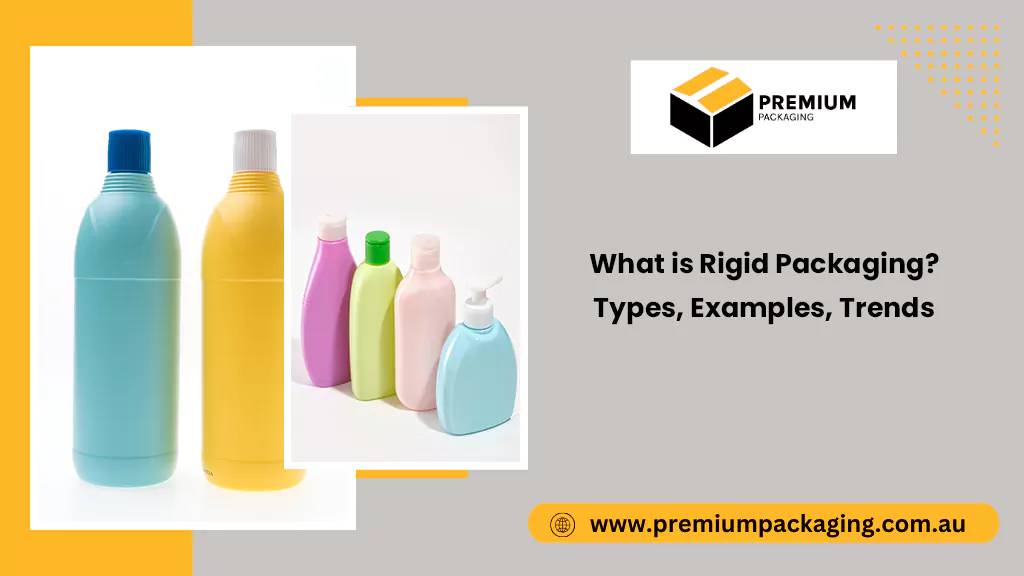
In everyday use, rigid packaging includes items like boxes, jars, bottles, tins, and trays.
Flexible packaging is packaging that can bend, fold, or conform to the shape of its contents.
Common flexible packaging materials include:
Flexible packaging is widely used for food, snacks, personal care refills, and lightweight consumer goods. It is valued for its low material usage, reduced shipping weight, and cost efficiency.
Understanding the difference between rigid and flexible packaging helps businesses choose the right type for their products rather than relying on habit.
The core difference lies in structure and performance.
Rigid packaging:
Flexible packaging:
Neither option is automatically better. The right choice depends on product weight, fragility, branding goals, and supply chain requirements.
Rigid boxes come in a wide range of shapes, each suited to different uses and industries.
Common rigid box shapes include:
Shape selection affects not only appearance but also storage efficiency, stacking strength, and transport stability.
The choice of rigid packaging material affects durability, cost, and sustainability.
Rigid plastic packaging is one of the most widely used forms of rigid packaging.
It includes:
Advantages:
Many rigid plastic packaging formats are recyclable and increasingly made with recycled content.
Paper-based rigid packaging is often used for boxes and outer packaging.
Benefits:
This type of rigid packaging is common in cosmetics, electronics, and luxury retail.
Glass is a classic rigid packaging material.
Key characteristics:
It is commonly used for beverages, fragrances, and high-end food products.
Metal packaging includes tins, cans, and aluminium containers.
Benefits:
Metal remains popular in food, beverage, and industrial applications.
Rigid packaging offers several advantages that explain its continued use across industries.
Rigid packaging protects products from:
This is especially important for fragile, liquid, or high-value items.
Rigid packaging is often associated with quality and reliability.
Customers tend to associate rigid packaging with:
This makes it a strong choice for brands that rely on shelf appeal or unboxing experience.
Rigid packaging maintains consistent dimensions, which allows:
This is particularly valuable for large-scale distribution.
Many rigid packaging formats are reusable.
Examples include:
Reusable packaging can extend brand exposure beyond the initial purchase.
Rigid packaging appears across almost every industry.
Each application uses rigid packaging for stability, protection, or presentation.
There is no universal winner. Superiority depends on context.
Rigid packaging is superior when:
Flexible packaging is superior when:
Many modern packaging strategies use both types together. For example, a flexible pouch inside a rigid box for added protection and branding.
Despite the growth of flexible packaging, rigid packaging remains popular for several reasons.
Key drivers include:
Rigid packaging also adapts well to innovation, particularly in material science and sustainable design.
Rigid packaging continues to evolve in response to market and environmental pressures.
Many rigid plastic packaging products now include recycled content without sacrificing performance.
Manufacturers are reducing material thickness while maintaining strength. This lowers material use and transport costs.
Water-based coatings and minimal laminations improve recyclability while preserving appearance.
Clean designs with fewer colours and textures are gaining popularity, especially in retail packaging.
Combining rigid outer packaging with flexible inner packaging balances protection, sustainability, and cost.
Rigid packaging often performs well in recycling systems.
Advantages include:
Australian consumers are more accepting of rigid packaging when it is clearly recyclable or reusable. Clear labelling and material transparency are becoming essential.
Premium Packaging offers rigid packaging solutions that meet both performance and sustainability expectations.
When deciding between rigid and flexible packaging, consider:
Testing packaging under real transport and storage conditions provides valuable insight before committing to large production runs.
Rigid packaging plays a key role in e-commerce due to:
Many brands use rigid packaging to reduce returns, protect their reputation, and improve customer satisfaction.
Working with experienced packaging suppliers helps businesses:
Premium Packaging works with Australian businesses to tailor rigid packaging solutions that work in the real world, not just on paper.
Rigid packaging remains a cornerstone of modern packaging strategies. Its strength, stability, and visual impact make it indispensable for many products and industries.
Understanding rigid packaging, how it compares to flexible packaging, and where each fits allows businesses to make informed, cost-effective decisions that protect products and strengthen brand value.
Know more https://premiumpackaging.com.au/blog/rigid-packaging/

© 2025 Crivva - Hosted by Airy Hosting Managed Website Hosting.