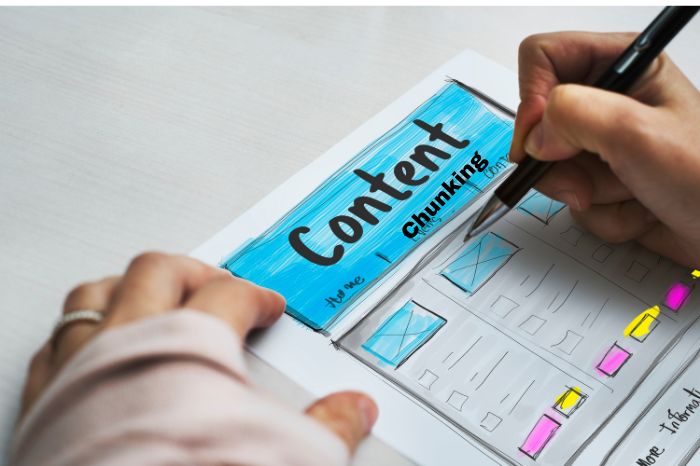
Content chunking is a writing method where large blocks of information are divided into smaller, structured sections using headings, lists, and short paragraphs. This format improves readability, keeps readers engaged, and helps search engines interpret meaning with more accuracy. Modern AI systems rely on natural language processing to scan and rank content, and clear formatting makes this process easier. As a result, chunked content performs better in search visibility, featured snippets, and voice queries, making it a core element of effective digital publishing.
Digital readers scroll fast. Dense paragraphs push them away. Attention spans keep shrinking, and content must adapt to stay useful and engaging. Readers want quick answers, clear structure, and easy navigation across pages.
Content creators now face pressure to balance depth with simplicity. Long articles still matter, yet presentation decides whether users stay or leave. Content Chunking addresses this gap by breaking complex ideas into readable sections without losing value.
Search engines also evolved. AI-driven systems analyze structure, intent, and clarity instead of just keywords. Organized content improves interpretation and boosts ranking potential. As AI continues to shape search behavior, chunking stands out as a practical and powerful technique for better visibility and user experience.
Content chunking refers to the practice of dividing information into smaller, logical sections. Instead of long paragraphs, writers use headings, bullet points, and concise blocks to present ideas in a structured way.
The concept comes from cognitive psychology. Human brains process information more efficiently in small units rather than large streams. This principle now applies widely in digital content writing.
In modern publishing, content chunking becomes more than a formatting choice. It acts as a communication strategy. Readers scan before they commit to reading. Clear headings help them find relevant sections quickly. Short paragraphs reduce fatigue and improve comprehension.
From a technical perspective, chunking also supports structured content writing. It allows search engines to map relationships between topics and subtopics. Each section becomes easier to analyze, index, and rank.
Writers who apply chunking create content that feels approachable. It guides readers step by step instead of overwhelming them. In short, chunking transforms raw information into a user-friendly experience.
AI search engines rely on natural language processing models to understand context, intent, and meaning. Structured content makes this process smoother and more accurate.
Algorithms no longer focus only on keywords. They evaluate how well content answers user queries. Proper formatting helps AI systems identify key points, supporting better ranking decisions.
Content chunking for SEO improves how machines interpret relationships within the text. Headings act as signals. Lists highlight important details. Short paragraphs ensure clarity. Together, these elements build a strong foundation for AI content optimization.
In practice, chunking bridges the gap between human reading habits and machine understanding. It ensures content works well for both audiences.
Effective chunking requires more than breaking text randomly. It needs a clear strategy and consistent structure. Writers must balance readability with logical flow.
Writers who follow these steps improve Content formatting for AI while enhancing user experience. Good chunking feels natural, not forced. It supports both storytelling and information delivery.
Yes, and the impact continues to grow. AI-driven algorithms such as RankBrain and advanced NLP models rely heavily on structure and clarity.
Search engines analyze content based on semantic meaning. Instead of matching exact keywords, they evaluate how well content answers user intent. Chunked content improves this process by organizing information into clear sections.
NLP content optimization benefits from structured writing. Each heading acts as a contextual marker. Each paragraph supports a specific idea. This layered structure helps AI systems understand relationships between topics.
Chunking also supports semantic SEO writing. It allows content to cover related subtopics without confusion. This improves relevance and ranking potential.
Featured snippets offer another advantage. Search engines prefer concise and well-structured answers. Chunked content increases the chances of being selected for these positions.
Zero-click searches also rely on clear answers. Users get information directly from search results. Well-structured sections improve visibility in these cases.
In short, chunking plays a direct role in how content performs in AI-driven search environments. It aligns content with both user behavior and algorithm requirements.
Even strong strategies can fail without proper execution. Content chunking must remain balanced and purposeful.
Writers should aim for clarity and cohesion. Chunking works best when it enhances readability without sacrificing depth.
Content chunking has become a core part of modern content strategy. It improves readability, supports user engagement, and aligns perfectly with AI-driven search systems. Structured content helps search engines interpret meaning while guiding readers through information smoothly.
As digital competition grows, clear formatting offers a strong advantage. It boosts visibility, improves rankings, and enhances overall user experience. Businesses and creators who adopt AI content optimization techniques like chunking stay ahead in search performance.
Digital Guider offers expert-driven Content Marketing Services and advanced AI content optimization techniques to help your content rank higher and convert better. Contact Digital Guider today and start building content that delivers real results.
Content chunking improves AI optimization by organizing information into structured sections. AI systems use NLP to interpret content, and clear formatting helps identify key ideas, context, and hierarchy. This improves indexing accuracy and enhances search visibility across different platforms.
Yes, content chunking plays a key role in voice search optimization. Voice queries demand concise and clear answers. Structured sections with direct responses increase the chances of content being selected by voice assistants for delivering quick and accurate results.
The ideal paragraph length for chunked content ranges between two to four lines. Short paragraphs improve readability, reduce cognitive load, and work well on mobile devices. They also help users scan content quickly and find relevant information without effort.
Content chunking increases the chances of appearing in featured snippets. Search engines prefer structured answers with clear headings and concise explanations. Well-organized sections make it easier for algorithms to extract relevant information and display it prominently in search results.
Headings act as structural markers in chunked content. They guide readers through the article and help search engines understand the topic hierarchy. Clear headings improve navigation, enhance readability, and make it easier for AI systems to interpret content context.
Yes, content chunking can reduce bounce rate by improving user experience. Readers find information quickly and stay engaged longer. Clear structure encourages exploration of multiple sections, increasing dwell time and reducing the likelihood of users leaving the page early.
Several tools support content chunking, including content editors, readability analyzers, and SEO platforms. Tools like Grammarly, Hemingway Editor, and Surfer SEO help refine structure, improve clarity, and ensure content remains user-friendly and optimized for search engines.
Content chunking itself is not a direct ranking factor, but it strongly influences key metrics like readability, dwell time, and engagement. These factors impact SEO performance. Structured content also helps search engines better understand and rank pages effectively.
To structure content for AI search engines, use clear headings, short paragraphs, bullet points, and logical flow. Focus on answering user intent with concise sections. Combine structured formatting with semantic SEO writing to improve relevance and search visibility.

© 2025 Crivva - Hosted by Airy Hosting Managed Website Hosting.