


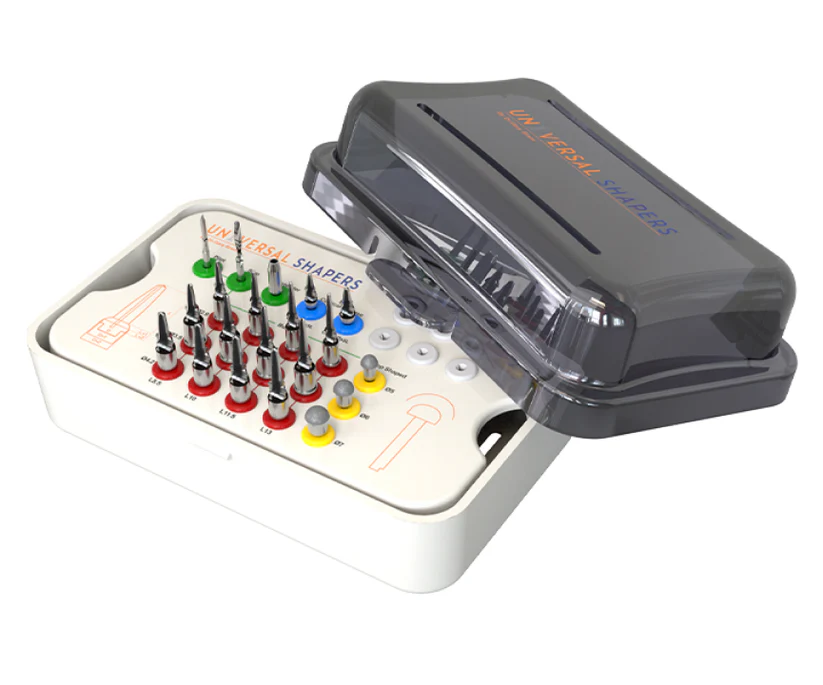
A guided surgical kit is one of the most important tools in today’s dental implant procedures. It helps dentists place implants with greater accuracy, safety, and predictability. Instead of relying only on manual measurements and experience, dentists use a guided system that shows the exact position, angle, and depth of the implant before the surgery even begins. This approach reduces errors, speeds up treatment, and makes the process more comfortable for both the dentist and the patient.
A Guided Surgical Kit not only enhances surgical precision but also improves overall workflow in dental implant procedures. By using pre-planned digital guides, dentists can work more efficiently, reducing chair time for both the doctor and the patient. This streamlined process also minimizes risks such as incorrect angulation or excessive drilling. Since every guide is customized based on the patient’s bone structure and treatment plan, the chances of complications are significantly lower. Moreover, these kits help new dentists gain confidence by offering step-by-step control during surgery. As a result, Guided Surgical Kits are becoming increasingly popular in modern implant dentistry for delivering safer, faster, and more accurate results
What Is a Guided Surgical Kit?
A guided surgical kit is a set of specialized tools used along with a digital surgical guide to help dentists place dental implants precisely. The kit usually includes different drills, sleeves, handles, depth stoppers, and implant carriers that all work together with a 3D-printed guide.
Before the procedure, the dentist takes a CBCT scan and digital impressions of the patient’s mouth. These scans are uploaded to planning software, where the dentist designs exactly where the implant should be placed. A customized surgical guide is then created based on this plan. The guided kit is used during surgery to follow this exact digital plan.
How Does a Guided Surgical Kit Work?
1. Digital Planning
The first step is creating a detailed treatment plan. The dentist uses 3D imaging to evaluate the bone density, height, and width. They then decide the best location for the implant, avoiding important structures like nerves and sinuses.
2. Designing the Surgical Guide
Based on the plan, a surgical guide—usually 3D printed—is created. This guide fits perfectly on the patient’s teeth or gums and contains holes that direct the drills to the correct position.
3. Using the Guided Kit During Surgery
During the procedure, the dentist places the guide inside the mouth. Drills from the guided kit are used through the guide’s sleeves. This ensures:
Correct drilling angle
Proper depth
Precise implant placement
Minimal deviation from the digital plan
Patients spend less time in the dental chair, and dentists can treat more patients in a day
Each drill is designed to work in sequence, making the process smooth, safe, and controlled.
Key Components of a Guided Surgical Kit
A typical guided surgical kit includes:
Drill Sleeves
Metal sleeves that guide the drill accurately through the surgical guide.
Sequential Drills
Different drill sizes used step-by-step to prepare the osteotomy site.
Depth Control Tools
Stoppers or markings that prevent over-drilling.
Implant Drivers
Special tools that help place the implant through the guide.
Positioning Tools
Ensures the implant follows the planned location and angulation.
Each part plays a major role in maintaining precision.
Benefits of Using a Guided Surgical Kit
1. Higher Accuracy
The biggest advantage is precise implant placement. The digital plan guides the exact location and depth, reducing the risk of mistakes.
2. Increased Safety
Because the guide shows safe zones, the dentist avoids nerves, sinuses, or thin bone areas. This means fewer complications.
3. Faster Surgery Time
With a surgical guide and pre-planned positions, dentists work faster and more efficiently.
4. Better Predictability
Patients receive more predictable results. The final outcome is very close to what was planned digitally.
5. Improved Patient Comfort
Since the drilling is controlled and accurate, patients usually experience less pain, swelling, and faster healing.
6. Ideal for Complex Cases
Guided kits are extremely helpful for patients with low bone density, limited bone volume, or unique anatomy.
Why Guided Surgical Kits Are Becoming Popular
Modern implant dentistry has moved toward digital technologies. Dentists prefer guided kits because they offer a more reliable and repeatable approach. Both beginners and experienced surgeons use them as they lower risks and increase the success rate.
Additionally, patients today expect high-quality care and faster recovery. Guided kits meet these expectations by delivering consistent and safe results.
n modern dentistry, accuracy is extremely important. Even a small mistake in angulation, depth, or position can lead to long-term complications such as implant failure, nerve damage, or improper bite alignment. A guided surgical kit reduces these risks by helping the dentist follow a pre-planned path that has been created through digital imaging and 3D planning software
Applications of Guided Surgical Kits
Guided kits are used for:
Single-tooth implants
Multiple implants
Full-arch cases
All-on-4 procedures
Bone-limited or sinus-close areas
Patients with missing anatomical landmarks
This versatility makes guided kits an essential part of modern dental practice.
Why Guided Surgical Kits Are the Future of Implant Dentistry
With the growing importance of digital technology in dental care, guided implant surgery is quickly becoming the standard worldwide. Patients want faster, safer procedures, and dentists want predictable results. Guided surgical kits satisfy both.
They combine:
Digital imaging
3D-printed guides
Precision drilling tools
This makes implant surgery more reliable, even for complicated cases.
In the future, guided kits will continue to evolve with improvements such as AI-based planning, better materials for surgical guides, and more advanced drill-control system
Final Thoughts
A guided surgical kit plays a major role in achieving precision and safety during dental implant procedures. With digital planning, 3D imaging, and a customized surgical guide, dentists can place implants more accurately than ever before. The system minimizes errors, reduces surgical time, and improves patient comfort. As implant dentistry continues to advance, guided surgical kits will remain a key tool for achieving predictable and successful outcomes.
If you’re aiming for advanced implant accuracy and high patient satisfaction, using a guided surgical kit is one of the best solutions available in modern dentistry

© 2025 Crivva - Hosted by Airy Hosting Managed Website Hosting.