


In the fast-moving world of digital advertising, Tracking and attribution are everything. You could have the most creative Facebook ad, but without accurate data, it’s impossible to know whether your audience truly saw it — or if your budget delivered results.
That’s where Facebook Ads view tags come in. These small but powerful tools help advertisers understand how many people actually view their ads, not just click on them. For agencies like Digitalzoop, mastering view tags is part of delivering transparent, data-driven results for clients across Sydney and beyond.
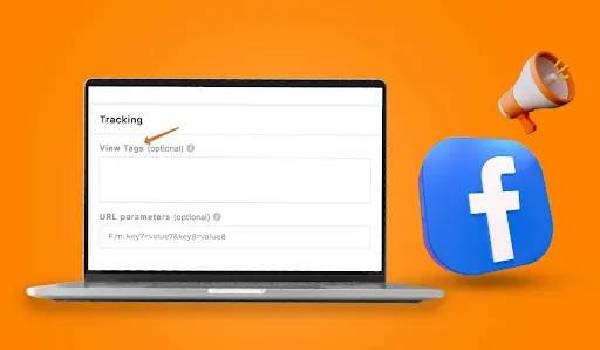
View tags are snippets of tracking code used in Facebook Ads Manager to record ad impressions from third-party measurement tools.
When someone views your ad on Facebook or Instagram, the view tag sends a signal to a third-party analytics platform (like a marketing data partner or tracking system). This helps marketers confirm ad impressions outside of Meta’s native reporting system — ensuring that the data you see aligns with your overall marketing analytics.
In simple terms, view tags indicate how many people saw your ad, not just those who interacted with it. This is crucial for brand-awareness campaigns, where impressions and visibility matter just as much as clicks.
A view tag is usually a URL or pixel code inserted into your ad setup. When a user loads your ad, the tag “fires,” sending tracking data to your analytics partner.
For example, let’s say you’re running a video campaign for a new product launch. The view tag captures every time your video ad appears on screen — even if the viewer doesn’t click through. This ensures that your impression data in Facebook Ads matches the Tracking shown in your third-party dashboard.
This creates a consistent, multi-channel picture of your advertising reach — helping businesses verify campaign performance independently.
In an era where every marketing dollar counts, view tags bring clarity to your campaign results. Here’s why they’re so valuable:
They bridge the gap between Meta’s data and your own analytics systems, ensuring your reports reflect real performance.
View tags allow you to compare impression metrics between Facebook Ads, Google Ads, YouTube, and programmatic platforms — all using the same measurement model.
They help marketers validate results independently, promoting trust between advertisers, agencies, and clients.
For agencies like Digitalzoop, transparency is everything. When our Sydney clients invest in social media campaigns, they deserve to know exactly how their audience interacts with their ads — and view tags make that possible.
When used correctly, view tags can transform how your business measures and improves campaign success. Here are some of the main benefits:
By capturing view-level impressions, you can better understand how exposure influences conversions — even if users don’t immediately click your ad.
Knowing who viewed your ad (not just who clicked) helps you build more accurate custom audiences for retargeting.
With consistent Tracking across multiple ad platforms, you gain a clearer picture of where your marketing spend performs best.
Third-party measurement ensures accountability, thereby reducing reliance on a single data source.
When you know which visuals or formats earn more views, it becomes easier to fine-tune your creative strategy for future campaigns.
Implementing view tags isn’t complicated, but precision matters. Here’s how to do it step by step:
Always double-check your view tags after publishing to ensure accuracy and consistency. If a tag isn’t firing, you could lose vital impression data. Our team routinely validates tags before and after campaign launch to ensure no tracking gaps.
While both track user interactions, Meta Pixel and view tags serve different purposes:
FeatureView TagMeta Pixel
For advanced marketers, combining both delivers full-funnel visibility — from initial ad impressions to final conversions.
As a Social Media Marketing Agency in Sydney, Digitalzoop has spent years refining Facebook marketing strategies that work for Australian businesses. Based on our experience, here are a few practical tips:
Use a consistent naming convention for tags across campaigns. This simplifies data comparison later.
Always use Meta’s Tag Manager or debug tools to confirm that your tags fire correctly before spending on ads.
Use view tags for brand awareness and reach campaigns, not for direct conversion tracking — that’s where your Pixel comes in.
Ensure all Tracking complies with privacy regulations, such as the Australian Privacy Principles (APPs). Transparency builds trust.
Even after launch, continue to monitor your tag performance. Missing impressions can signal setup issues or ad-serving limitations.
At Digitalzoop, our data-driven approach enables brands to maximise their ad spend.
For clients who run multi-channel campaigns — for example, simultaneously on Facebook, Google, and YouTube — we use view tags to create unified reporting. This ensures that all impressions are verified and accounted for, regardless of where the audience sees your message.
This attention to tracking accuracy allows us to make informed adjustments to creative performance, audience targeting, and bid strategies. It’s one of the reasons clients recognise Digitalzoop as the Best Digital Marketing Agency in Sydney for measurable, transparent results.
While view tags are handy, they can occasionally cause confusion or data discrepancies. Here are a few common issues and how to fix them:
As privacy laws evolve and tracking restrictions tighten, tools like view tags are becoming even more essential. They allow businesses to measure visibility without compromising user trust — something every modern marketer should prioritise.
At Digitalzoop, accurate data is the foundation of effective marketing. Whether you’re optimising a nationwide campaign or testing your first ad set, using view tags the right way ensures every impression counts.
A view tag tracks when someone sees your ad, while a click tag tracks when someone clicks it. Both are vital for full-funnel analysis.
Yes — the Meta Pixel tracks actions, not ad views. View tags ensure your impression data is independently verified.
They provide the upper-funnel visibility that complements your conversion data. Knowing who saw your ad helps link awareness to sales behaviour.
Absolutely. Facebook allows third-party verification partners for advertisers who want independent measurement.
Use the Meta Pixel Helper or Chrome Developer Tools to confirm that your tags trigger when your ad is served.
Know more https://www.digitalzoop.com.au/tags-in-facebook-ads-guide/

© 2025 Crivva - Hosted by Airy Hosting Managed Website Hosting.








