

The most effective Roof Protection Methods combine high-quality liquid-applied coatings, spray foam insulation, and consistent maintenance schedules. These systems work together to create a monolithic barrier that prevents leaks and reflects UV radiation. By selecting the right materials for your specific building type, you can extend your roof’s lifespan by decades while reducing energy costs.
This guide provides a detailed look at the modern technologies and strategies used by roof coatings experts to defend commercial and residential structures from environmental damage. You will find practical information on material selection, application techniques, and long-term care strategies. Experts in the construction industry consistently recommend these approaches to avoid the high costs of complete roof replacements.
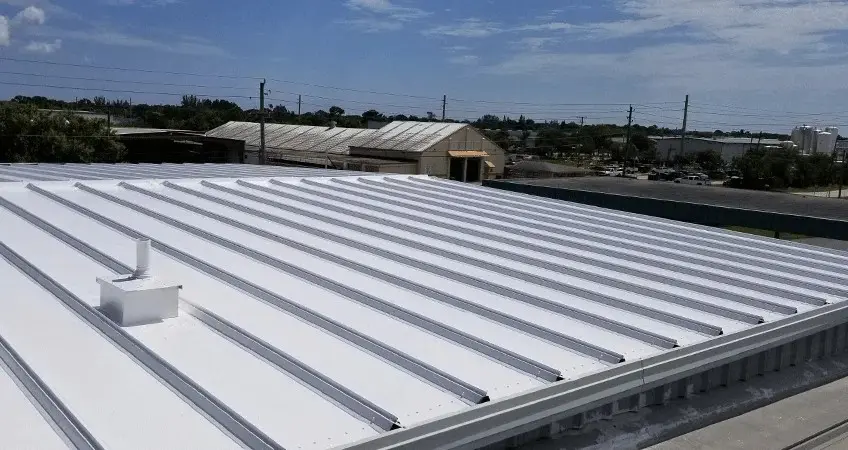
Liquid membranes are popular because they create a seamless shield over existing structures. Unlike traditional rolled roofing, these products have no seams, which are the most common failure points in any system. While these surface membranes provide an essential first line of defense, a comprehensive protection strategy also requires addressing the building’s thermal performance and structural sealing.
Silicone coatings are a top choice for flat or low-slope roofs because they handle ponding water better than almost any other material. These coatings create a rubber-like membrane that does not degrade under constant exposure to moisture or intense sunlight.
Bonus Tip: Before applying silicone, ensure the surface is completely clean and dry, as even minor debris can prevent the coating from bonding properly to the substrate.

Acrylic coatings offer a budget-friendly way to protect roofs in climates that do not experience heavy, consistent rainfall. These water-based materials are easy to apply and provide a bright white finish that reflects a large percentage of solar heat.
Protection isn’t just about the top surface; it is also about the thermal performance and structural integrity of the entire assembly. High-performance materials can provide the dual benefits of energy efficiency and waterproofing.
Spray foam is unique because it serves as both insulation and a protective roofing system. When experts apply this material, it expands into a solid, seamless layer that fills every gap and crack on the roof deck.
|
Feature |
Silicone Coating |
Acrylic Coating |
Spray Foam |
|---|---|---|---|
|
Water Resistance |
Excellent (Ponds) |
Good (Sloped) |
Excellent (Seamless) |
|
UV Reflection |
High |
Very High |
Requires Topcoat |
|
Lifespan |
15-20 Years |
7-10 Years |
20+ Years |
|
Insulation Value |
Low |
Low |
Very High |
|
Cost Level |
Moderate |
Low |
Moderate to High |
Some buildings require more than just standard waterproofing. Industrial sites or areas with extreme weather need specialized materials that can withstand physical and chemical stress.
For roofs that face heavy foot traffic or chemical exposure, polyurea coatings provide an incredibly tough surface. This material is known for its fast cure time and extreme resistance to abrasion.
Even the best materials will fail if they are ignored. A proactive maintenance plan is one of the most reliable roofing defense strategies available to property owners.

The climate in your specific region dictates which protection method is best. For example, buildings in the Pacific Northwest face constant moisture and moss growth, while structures in the Southwest deal with extreme heat and UV degradation.
Selecting a protection method requires considering several variables beyond just the initial price tag. You should consider the long-term goals for the property.
Sometimes the best protection involves upgrading the underlying metal or engineering how water moves across the surface. These enhancements prevent small issues from becoming structural failures.
Metal roofs are durable but prone to rust and fastener leaks over time. Restoration systems use specialized primers and reinforced coatings to stop corrosion and seal every bolt head.
While routine maintenance keeps a roof clean, structural upgrades ensure that water is moved off the surface as efficiently as possible. Improving how water exits the building is just as critical as the materials used on the deck.
If you are looking to secure your property against the elements, consulting with an experienced service provider is a smart move. Professionals can perform an infrared scan to detect hidden moisture before you apply a new coating. For those interested in long-term solutions, contacting Spray-On Foam & Coatings Inc is a great way to explore options like spray foam or polyurea. They offer a range of services including commercial and residential insulation, as well as specialized roof coatings. You can reach them at (360) 667-1993 or via email at [email protected] to discuss your project. Their team helps property owners select the right system for their specific climate and building type.
Modern Roof Protection Methods have moved far beyond simple patches and repairs. By using advanced liquid membranes, high-performance foam, and consistent inspections, you can keep your structure dry and efficient for many years. Whether you choose silicone for its water resistance or spray foam for its insulation properties, the key is to act before major damage occurs. Evaluating your roof’s current state and choosing a compatible system will save you money and protect your investment over the long haul.
Most high-quality coatings last between 10 and 20 years depending on the material used. Silicone typically has a longer lifespan than acrylic, but you should have a professional inspect the thickness every five years to ensure it remains effective.
While some coatings are designed for shingles, it is generally not recommended as a primary solution. Shingles need to breathe, and many coatings can trap moisture behind them, leading to wood rot in the roof deck.
Yes, “cool roofs” reflect up to 85% of solar radiation. This can reduce the surface temperature of your roof by up to 50 degrees Fahrenheit, directly lowering the amount of heat transferred into your building.
Spray foam is excellent for residential use, especially on flat roofs or for insulating attics. It is non-toxic once cured and provides some of the highest R-values available in the construction industry today.
For an emergency, a high-solids silicone patch or a specialized roofing tape can stop water intrusion. However, these are temporary fixes and should be followed by a professional assessment to prevent permanent structural damage.

© 2025 Crivva - Hosted by Airy Hosting Managed Website Hosting.