

A waist apron may seem like a simple accessory, but its role in daily work and lifestyle routines is far more significant than most people realize. From professional kitchens to home workshops, cafés, salons, and even creative studios, this practical garment has earned its place as a functional and stylish essential. Designed to sit comfortably around the waist, it offers convenience, organization, and ease of movement while blending seamlessly with modern aesthetics. Understanding how waist aprons evolved and how they are used today helps highlight why they remain relevant across so many industries.
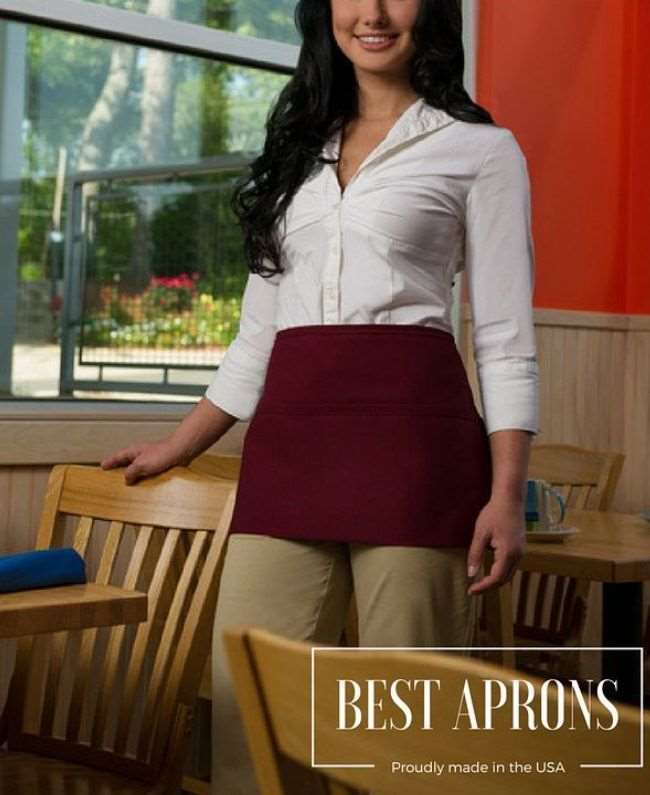
A waist apron is a type of apron that covers only the lower half of the body, usually extending from the waist down to the thighs or knees. Unlike full aprons, it leaves the upper body free, making it ideal for tasks that require flexibility and frequent movement. It typically features pockets of varying sizes, allowing users to keep tools, utensils, or personal items within easy reach.
This design makes waist aprons especially popular in environments where speed and accessibility matter more than full-body coverage. They strike a balance between protection and mobility, which explains their widespread adoption across different professions.
Aprons have existed for centuries, originally worn as protective garments by craftsmen, cooks, and laborers. Early waist aprons were made from heavy fabrics like linen or canvas, built to withstand hard use and frequent washing. Over time, as work environments diversified, apron designs adapted to meet specific needs.
In hospitality settings, waist aprons became a symbol of service efficiency. Servers could carry order pads, pens, and small tools without interrupting their workflow. In trades and crafts, they allowed workers to keep essential items close while maintaining freedom of movement. Modern waist aprons now combine this practical heritage with contemporary style elements.
The material of a waist apron plays a major role in its durability, comfort, and appearance. Common fabrics include cotton, denim, canvas, and polyester blends. Each material offers unique benefits depending on how the apron will be used.
Cotton waist aprons are breathable and comfortable, making them suitable for long hours of wear. Canvas and denim provide extra durability, ideal for environments where tools or sharp objects are frequently handled. Polyester blends are often chosen for their resistance to stains and wrinkles, making maintenance easier.
Choosing the right fabric ensures that the apron not only lasts longer but also remains comfortable throughout the day.
Beyond fabric, the design details of a waist apron determine how practical it is in real-world use. Pockets are the most important feature, and their placement and size can vary widely. Some aprons have shallow pockets for pens and notepads, while others include deep compartments for tools or accessories.
Adjustable waist ties or straps allow for a customized fit, ensuring the apron stays secure without restricting movement. Reinforced stitching around stress points adds durability, especially for users who carry heavier items. These thoughtful design elements transform a simple apron into an efficient work companion.
Waist aprons are a staple in restaurants, cafés, and bars. Servers rely on them to carry essentials like order books, cash, and cleaning cloths. Their shorter length prevents interference while walking quickly through crowded spaces.
In salons and spas, waist aprons are used to hold combs, scissors, and styling products. Their neat appearance complements a professional environment while keeping tools organized. Retail workers and florists also use waist aprons to store small items without the bulk of a full apron.
These professional applications demonstrate how waist aprons enhance productivity without sacrificing presentation.
Waist aprons are not limited to professional environments. At home, they are increasingly popular for cooking, gardening, crafting, and DIY projects. Home cooks appreciate the convenience of having utensils and towels close by, while gardeners use waist aprons to carry seeds, gloves, and small tools.
For artists and hobbyists, waist aprons provide easy access to brushes, markers, or measuring tools. Their lightweight design makes them comfortable for casual use, proving that practicality does not have to be confined to the workplace.
Modern waist aprons are no longer purely utilitarian. Designers now focus on aesthetics as much as function, offering aprons in various colors, patterns, and finishes. Neutral tones like black, beige, and gray suit professional settings, while brighter colors and unique textures appeal to creative users.
Some waist aprons feature leather accents, metal rivets, or contrast stitching, adding a stylish edge. This blend of fashion and function allows wearers to express personal style while staying organized and efficient.
Selecting the right waist apron starts with understanding how it will be used. For heavy-duty tasks, durable fabrics and reinforced pockets are essential. For service roles, a lightweight apron with multiple compartments may be more suitable.
Length is another factor to consider. Shorter aprons offer maximum mobility, while longer ones provide slightly more coverage. Comfort, adjustability, and ease of cleaning should also influence the decision. A well-chosen waist apron becomes an extension of the user’s workflow rather than a distraction.
Proper care extends the life of a waist apron and keeps it looking professional. Most fabric aprons can be machine washed, but checking care labels is important to avoid damage. Promptly removing stains prevents them from setting, especially in food or craft-related environments.
Air drying or using low heat helps maintain fabric quality and prevents shrinkage. Regular maintenance ensures that the apron remains functional and presentable, even with frequent use.
The enduring popularity of waist aprons lies in their adaptability. They fit seamlessly into changing work environments and evolving lifestyle needs. As people seek practical solutions that save time and improve organization, waist aprons continue to deliver value.
Their ability to combine comfort, efficiency, and style makes them a reliable choice across industries and households alike.
Waist aprons are more than just a work accessory; they are a practical solution designed to support efficiency, organization, and personal style. Whether used in a fast-paced professional setting or during everyday activities at home, they offer convenience without compromising comfort. By choosing the right design, material, and fit, anyone can benefit from this versatile garment. If you are looking to add functionality and ease to your routine, exploring options and deciding where to buy apron products that suit your needs is a smart step forward.

© 2025 Crivva - Hosted by Airy Hosting Managed Website Hosting.