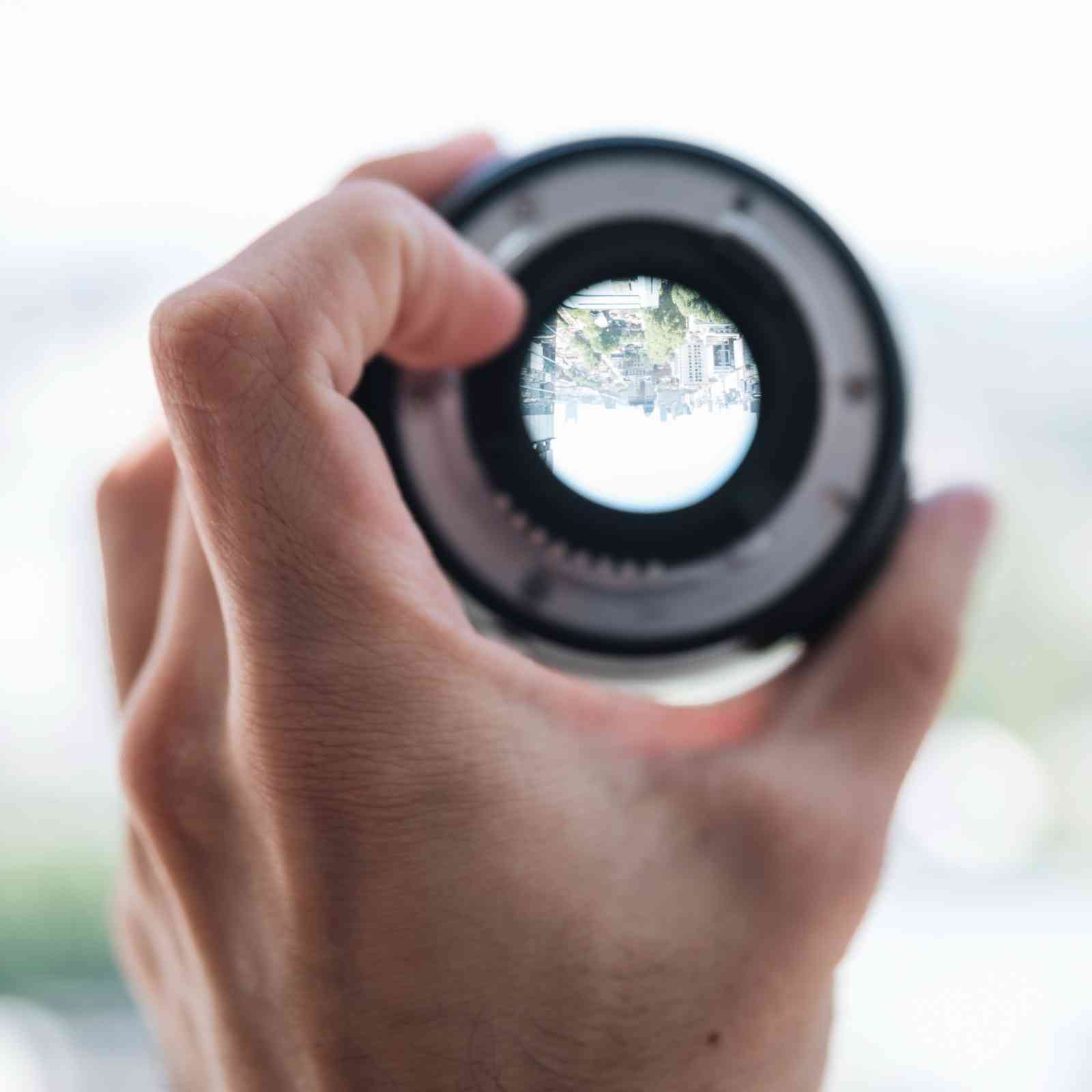
A UV Camera Lens is one of the most advanced optical components used in modern imaging systems where standard visible-light lenses fail to deliver required results. These lenses are designed specifically to capture and transmit ultraviolet (UV) light, which is invisible to the human eye but extremely powerful in scientific analysis, industrial inspection, forensic investigation, and semiconductor manufacturing.
In this detailed guide, we will understand what a UV Camera Lens is, how it works, its types, benefits, applications, and how to choose the right one for your needs.
A UV Camera Lens is a specialized optical lens designed to operate in the ultraviolet spectrum, generally ranging from 100 nm to 400 nm wavelength.
Unlike normal camera lenses made from standard optical glass, UV lenses are manufactured using high-transmission materials such as:
These materials allow ultraviolet rays to pass through without significant absorption or distortion. This makes UV lenses essential in applications where hidden patterns, contamination, or microscopic defects must be detected.
Standard camera lenses are not suitable for UV imaging because:
This is why industries rely on a dedicated UV Camera Lens system for accurate and reliable imaging.
The working of a UV Camera Lens is based on specialized optical transmission principles:
The lens captures ultraviolet radiation reflected or emitted from the object.
Instead of blocking UV rays, the lens allows them to pass through using quartz or fused silica elements.
The lens focuses UV rays onto a UV-sensitive imaging sensor.
The sensor converts UV light into digital signals, producing a visible image for analysis.
The final image is analyzed for defects, contamination, or structural details not visible in normal lighting.
A high-performance UV Camera Lens includes several advanced features:
Ensures maximum light passes through the lens for clear imaging.
Minimizes distortion and improves sharpness at microscopic levels.
Reduces glare and enhances image clarity under UV light.
Ensures accurate color and detail reproduction.
Built to withstand harsh environments and continuous use.
Different UV imaging requirements demand different lens types:
The UV Camera Lens is widely used across multiple industries due to its ability to reveal hidden details.
UV lenses are used to detect surface cracks, contamination, and material defects in:
Chip production requires extreme precision. UV imaging helps detect micro-defects and alignment errors.
Used for:
Helps in studying:
UV light reveals soldering defects and circuit errors in printed circuit boards.
Used for verifying currency notes, passports, and security documents.
Using a UV Camera Lens provides multiple benefits:
Reveals flaws invisible under normal lighting conditions.
Ideal for micro-level inspection and analysis.
Allows inspection without damaging the object.
Reduces production defects and enhances product reliability.
Supports detailed analysis in physics, chemistry, and biology.
| Feature | UV Camera Lens | Standard Lens |
|---|---|---|
| Light Range | UV Spectrum (100–400 nm) | Visible Light |
| Material | Quartz / Fused Silica | Optical Glass |
| Usage | Industrial, scientific, forensic | Photography |
| UV Transmission | High | Very low |
| Precision | Extremely high | Moderate |
This clearly shows why UV Camera Lenses are essential in advanced imaging systems.
Choosing the right UV Camera Lens is important for achieving accurate results.
Ensure the lens supports your required UV range.
Prefer fused silica or quartz-based lenses.
Choose based on application—macro, standard, or telecentric.
Lens must match the UV camera system specifications.
Consider heat resistance, dust protection, and durability.
To ensure long-term performance:
Proper maintenance improves lens life and image accuracy.
In modern manufacturing and automation, precision is everything. A UV Camera Lens plays a critical role in:
Industries like electronics, automotive, aerospace, and healthcare heavily depend on UV imaging technology.
The future of UV Camera Lens technology is highly promising due to rapid advancements in optics and imaging systems.
As industries move toward Industry 4.0, UV imaging will become even more essential.
The UV Camera Lens is a powerful optical tool that enables advanced ultraviolet imaging for industrial, scientific, and security applications. Its ability to capture hidden details, ensure precision, and improve quality control makes it indispensable in modern technology-driven industries.
From semiconductor manufacturing to forensic science, UV lenses are transforming how we see and analyze the world beyond visible light.
If your work involves inspection, research, or precision manufacturing, investing in a high-quality UV Camera Lens can significantly improve accuracy, efficiency, and output quality.

© 2025 Crivva - Hosted by Airy Hosting Managed Website Hosting.