Choosing the right flooring for a home involves more than aesthetics — it’s about comfort, durability, maintenance, and how well the flooring complements everyday living. Among various flooring options available today, carpet remains a sought-after choice for many homeowners because of its warmth underfoot, sound-absorbing qualities, and ability to create a cozy living environment. A professional residential carpet flooring service makes this process smoother by guiding homeowners through selection, installation, and care.
Residential carpet flooring refers to carpet installations specifically designed for homes — including living rooms, bedrooms, stairs, and other interior spaces. Unlike commercial carpet, which is often built for high traffic and durability, residential carpet focuses more on comfort, texture, and aesthetic appeal suited to family living environments.
Carpet comes in various fibres, textures, densities, and styles. Each variation serves a purpose: some deliver softness and luxury, while others prioritize resilience and ease of maintenance.
Carpet remains a popular choice in many households for several reasons:
Carpet provides a soft, cushioned surface that is more comfortable to walk on than hard flooring. This makes it ideal for areas where people spend a lot of time standing or walking barefoot, such as bedrooms and living rooms.
Fiber-based carpet absorbs sound, making it excellent for reducing echoes and noise transfer between rooms or floors. This benefit is particularly useful in multi-story homes, apartments, or busy families with children.
In cooler climates, carpet acts as an insulator, helping retain warmth in rooms and providing a warmer surface underfoot during cold seasons.
Carpet comes in a wide range of colours, patterns, and textures. Whether the goal is classic neutrals, bold patterns, or high-end textures, there’s a carpet style to fit almost any décor.
Carpet offers a non-slip surface that can reduce the risk of slips and falls. For households with young children or elderly members, this is a valuable safety feature.
A full carpet flooring service includes several key steps to ensure a long-lasting, expertly installed surface.
The process often begins with a consultation to understand the homeowner’s needs. Questions at this stage may include:
Which rooms will be carpeted?
What level of foot traffic is expected?
Are pets or children present in the home?
What budget range is preferred?
This assessment helps guide carpet selection and installation planning.
Carpet fibres vary widely:
Nylon: Durable and resistant to wear and stains.
Polyester: Known for vibrant colour options and softer feel.
Wool: Natural fibre with excellent resilience and comfort.
Olefin: Good for moisture-prone areas and easy maintenance.
Each fibre type has specific strengths, and an experienced flooring service can recommend the best choice based on the homeowner’s lifestyle.
The padding beneath the carpet significantly affects comfort and longevity. A high-quality underlay improves support, reduces wear, and enhances insulation and sound absorption.
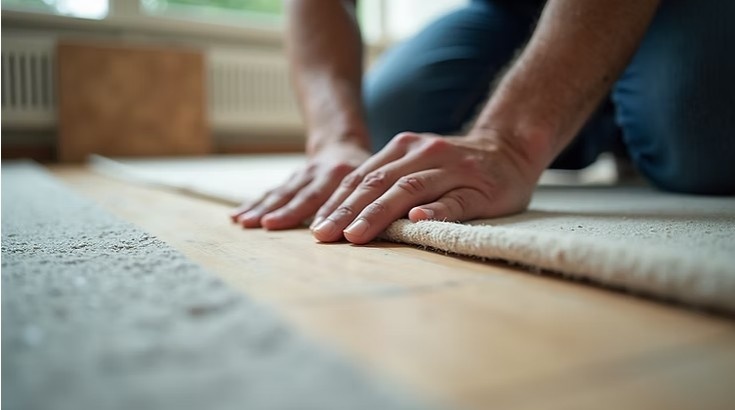
Carpet installation is not as simple as rolling out material and trimming edges. It includes:
Preparing the subfloor (cleaning, leveling)
Precise measuring and cutting
Tacking and stretching carpet to avoid wrinkles
Seam placement and finishing
Proper installation maximizes comfort and prevents issues such as rippling or separation over time.
After installation, professionals ensure the area is cleaned and the carpet is properly secured. They inspect seams, edges, and transitions to verify quality.
When selecting carpet, several factors should be considered:
High-traffic areas require a carpet with strong resilience and durability — typically a denser pile and tougher fibre.
Some carpets are easier to clean and maintain than others. Families with children or pets may benefit from stain-resistant fibres.
Often, there’s a trade-off between softness and toughness. Knowing which matters more for a space helps in making the right selection.
Light colours can open up a space but may show dirt more easily. Darker hues hide wear but can change the perception of room size.
Routine care can significantly extend the life of the flooring:
Regular vacuuming prevents dust and debris from settling deep into the fibres.
Immediate cleaning minimizes staining. Using mild cleaning solutions and blotting (rather than rubbing) prevents damage.
Professional carpet cleaning every 12–18 months helps maintain appearance and hygiene.
High-traffic zones like entryways or near furniture benefit from area rugs, which reduce wear.
Despite its benefits, carpet sometimes receives mixed opinions based on myths:
Myth 1: “Carpet Harbors Allergens”
While carpets can trap dust, modern vacuuming and professional cleaning effectively manage allergens, often improving indoor air quality compared to dusty hard floors.
Myth 2: “Carpet Is Hard to Maintain”
With proper vacuuming and immediate attention to spills, maintenance is straightforward. Many carpets today are treated with stain-resistant finishes.
Myth 3: “Carpet Only Works in Bedrooms”
Carpet is versatile. Living rooms, hallways, and even some dining areas benefit from carpet’s comfort and sound-absorption qualities.
Carpet differs from hardwood, laminate, tile, and vinyl in both feel and function:
Carpet vs. Hardwood: Carpet offers warmth and softness; hardwood provides a classic look and is easier to clean in high-spills areas.
Carpet vs. Laminate: Laminate may look like wood but lacks the comfort and insulation carpet provides.
Carpet vs. Tile: Tile is durable and easy to clean, but can feel cold and hard.
Each material has its place — selecting the right flooring often depends on room purpose and lifestyle needs.
While carpet may not add the same resale appeal as hardwood in some markets, it enhances comfort and comfort perception, particularly in family homes and bedrooms. Well-chosen carpet contributes to a home’s ambiance and livability — factors important to buyers and occupants alike.
Carpet flooring remains a practical, comfortable, and stylish choice for many homes. From living spaces to bedrooms and stairs, carpet delivers softness, noise control, insulation, and design flexibility. A professional residential carpet flooring service ensures that the material is not only aesthetically pleasing but also installed in a way that maximizes durability and performance.
By understanding different carpet types, following recommended installation practices, and maintaining proper care, homeowners can enjoy the benefits of carpet flooring for many years. With thoughtful selection and skilled installation, carpet continues to be a reliable flooring choice that enhances both comfort and style.

© 2025 Crivva - Hosted by Airy Hosting Managed Website Hosting.