


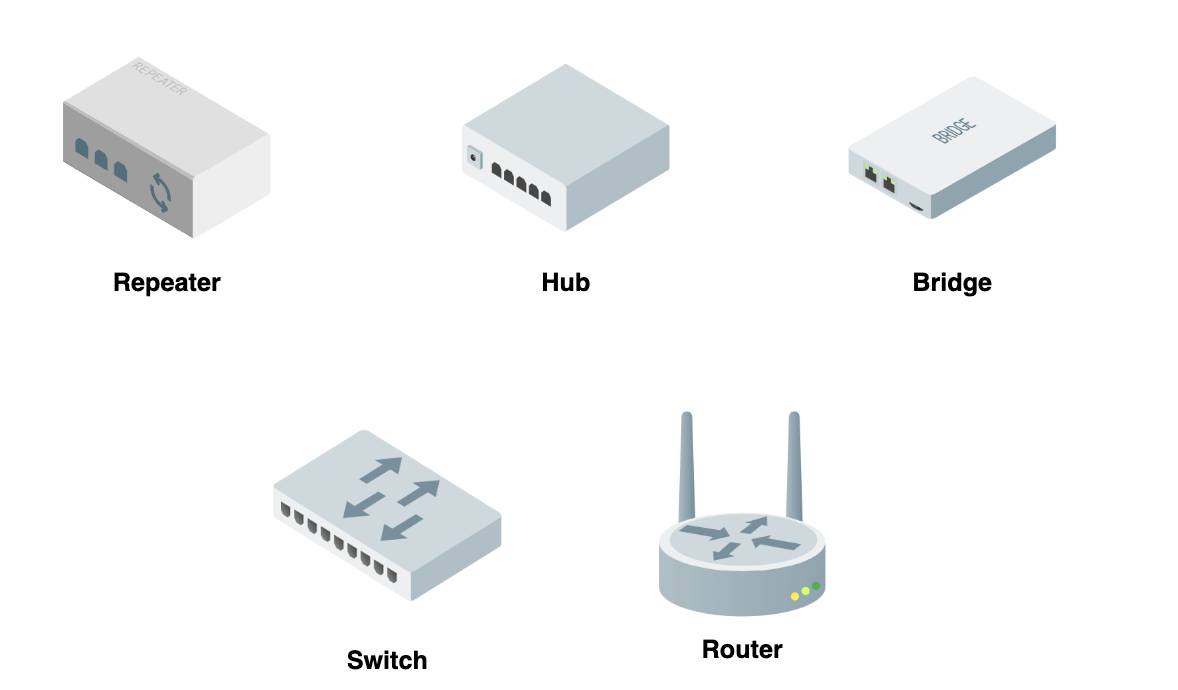
All the devices in your network, a laptop, a printer, a security camera, require a solid route to communicate. That is made possible by the switch. It is in the heart of your network infrastructure, directs traffic among devices and ensures everything flows without unnecessary delays.
However, not all switches are created equal, and the wrong switch may silently cost you in speed, level of control or the capacity to expand.
This blog explains the principal kinds of network switches and the actual contributions of each of them to the table. Starting with simple unmanaged switches all the way to full-fledged, PoE-enabled capabilities, you will have a clear vision of how it all works and where it may fit. At the end, it should be easy to pick the correct switch to use in your arrangement.
Unmanaged switches are the simplest form of network switches. They work straight out of the box, without any setup. Devices are simply plugged in, and communication occurs automatically.
These switches are good for small networks with few devices due to their reliability. They are cost-effective and require little to no maintenance.
Managed network switches are built for professionals where control and reliability matter. Network administrators can configure the network switch settings, monitor network traffic, and manage how data moves across the network.
Managed network switches support features such as VLAN setup, security, and network segmentation. This enables organizations to improve network performance while preventing unauthorized network access. With continuous monitoring, administrators can detect unusual activity and resolve issues early, helping maintain stable and secure network performance.
Managed network switches have the flexibility to configure network settings, enabling organizations to grow their networks effectively. Although managed network switches are more expensive than unmanaged network switches, the advantages outweigh the disadvantages. Thus, managed network switches are crucial for medium and large-scale organizations.
The Power over Ethernet (PoE) switch transmits both data and power through one cable. This eliminates the need to use power adapters.
These switches are particularly useful for IP cameras, VoIP phones, and wireless access points. They make network deployment easy and eliminate cable tangles. Network administrators will find it easy to manage connected devices.
In addition, Power over Ethernet switches are beneficial when considering network scalability. It is easy to deploy new network devices as they can receive both power and data.
The layer 2 network switches are at the data link level. They pass data over a network based on MAC addresses and ensure that the correct information is sent to the relevant devices. The switches are typically applied in managing communication within a local network.
Layer 3 network switches operate at the layer of the network and rely on IP addresses to steer the traffic. They are also able to route data between networks as opposed to Layer 2 switches. This enables quicker and smoother communication, particularly in more extensive or intricate network settings.
A stackable network switch can be connected and managed as if it were a single switch. This enables network administrators to increase network size without additional switch management complexities.
Stackable network switches improve network performance, minimize network downtime, and simplify network management. Businesses often add network switches step by step as their needs increase. This approach supports rapid network expansion efficiently.
Security is an important issue in today’s networks. Network switches, especially managed switches, have many security features, such as access control, port security, and traffic monitoring.
A network administrator restricts unauthorized network devices, stops network attacks, and identifies unusual network behaviour. Network switches support encryption protocols to secure sensitive information.
Security integration in network switches minimizes network vulnerability and ensures business continuity. A network switch with robust security features effectively safeguards network data and connected network devices.
Contemporary switches come with power-saving capabilities. These devices dynamically manage power consumption according to network traffic or the needs of the devices that are connected.
Power-saving switches reduce electricity consumption and costs. These switches are ideal for large data centers or organizations with many devices in the office.
In addition, eco-friendly switches produce less heat, which helps to extend their lifespan and reduce cooling needs. Organizations save on electricity costs and minimize their impact on the environment.
There are a number of considerations when purchasing a network switch. These are the network size, the nature of the devices and the degree of network traffic.
Other considerations include budget, level of control and scalability. Unmanaged switches are best in the case of small networks. Managed or PoE switches are suitable for medium and large-sized networks.
Finally, scalability should be taken into account in the future. Stackable and Layer 3 switches are ideal for scalability.
Knowledge of network switch types and their advantages enables organizations to make the right choices. Unmanaged switches are simple and inexpensive. Managed switches are secure and manageable. PoE switches integrate data and power transmission, making network setup easier.
Layer 2 and Layer 3 switches are designed for different network environments. Stackable and eco-friendly switches are ideal for scalable and sustainable networks. The appropriate switch selection enhances network connectivity and overall network performance.
In conclusion, making the right switch selection enables organizations to have efficient and future-proof networks. Organizations can enjoy flexibility, scalability, and security by selecting the right network switch that suits their needs.
Q1. What is a network switch and what does it do?
A network switch is a hardware device that connects multiple devices within a local area network (LAN). It receives incoming data packets and forwards them only to the specific device they are intended for, making communication faster and more efficient than older technologies like hubs.
Q2. What are the main types of network switches?
The main types include unmanaged switches, managed switches, smart (or web-managed) switches, Layer 2 switches, Layer 3 (multilayer) switches, PoE (Power over Ethernet) switches, stackable switches, and modular switches. Each type serves different network sizes and requirements.
Q3. What is the difference between a managed and an unmanaged switch?
An unmanaged switch works out of the box with no configuration — ideal for small or home networks. A managed switch offers full control over traffic, VLANs, security settings, and monitoring, making it suitable for enterprise or complex network environments.

© 2025 Crivva - Hosted by Airy Hosting Managed Website Hosting.








