

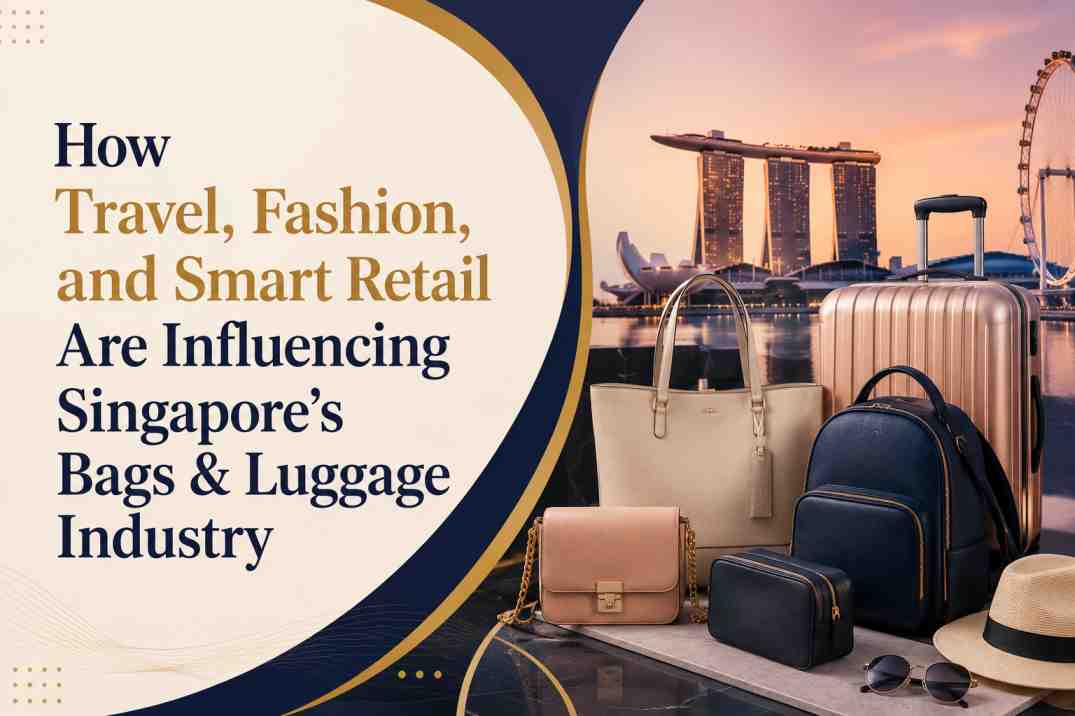
Singapore’s bags and luggage industry continues to evolve alongside shifting consumer lifestyles, increasing international travel activity, and changing fashion preferences. As one of Southeast Asia’s major tourism and retail hubs, Singapore has witnessed growing demand for luggage products that combine functionality, durability, and design appeal. Consumers are increasingly prioritizing convenience-oriented travel accessories while also seeking premium aesthetics and sustainable materials.
The growing influence of e-commerce and Omni channel retailing has also reshaped how consumers purchase travel bags, backpacks, and luggage accessories. Digital platforms have expanded product accessibility and enabled consumers to compare styles, prices, and features more efficiently. According to a Singapore bags & luggage industry analysis, the sector is expected to experience notable growth during the forecast period, supported by tourism recovery, premium retail expansion, and rising demand for technologically enhanced travel products.
Singapore’s tourism sector remains an important contributor to luggage and travel accessory sales. The return of international travelers, regional business events, and leisure tourism activities has strengthened demand for cabin bags, suitcases, backpacks, and travel organizers. Consumers traveling more frequently are seeking lightweight, durable, and airline-compliant luggage solutions.
The Singapore Tourism Board has highlighted the steady rebound in visitor arrivals and tourism spending, creating positive implications for retail categories connected to travel and mobility. Increasing participation in regional travel across Asia-Pacific is also encouraging repeat purchases of luggage products among frequent travelers.
Bags are no longer viewed solely as utility products. In Singapore, fashion-conscious consumers increasingly consider handbags, backpacks, and business bags as lifestyle accessories that reflect personal identity and professional image. This shift has encouraged manufacturers and retailers to diversify their product portfolios with modern designs, premium finishes, and seasonal collections.
Luxury and premium brands continue to gain visibility, especially among urban consumers seeking products that combine aesthetics with long-term usability. Younger consumers are also influencing demand for minimalist designs, multi-functional compartments, and customizable travel accessories. The growing popularity of social media-driven fashion trends has accelerated the adoption of contemporary luggage styles.
Environmental awareness is gradually influencing consumer purchasing behavior across Singapore’s retail sector. Buyers are increasingly paying attention to recycled fabrics, eco-friendly manufacturing practices, and sustainable packaging used in bags and luggage products.
Organizations such as the National Environment Agency Singapore continue to promote sustainability initiatives and waste reduction strategies, encouraging businesses to adopt environmentally responsible production methods. As sustainability discussions become more mainstream, luggage manufacturers are exploring biodegradable materials, recycled plastics, and durable long-life products that reduce replacement frequency.
This trend is particularly visible among younger urban consumers who prefer brands aligned with broader environmental values. As a result, sustainability is becoming not only an ethical consideration but also a competitive differentiator within the industry.
The rapid adoption of digital retail platforms has transformed the competitive landscape for bags and luggage brands operating in Singapore. Consumers now expect seamless shopping experiences that combine online browsing with physical store accessibility. Omni channel strategies, including click-and-collect services and digital product customization, are becoming increasingly common.
Retailers are leveraging online platforms to provide detailed product demonstrations, customer reviews, and personalized recommendations. According to the Infocomm Media Development Authority Singapore, Singapore continues to maintain strong digital connectivity and e-commerce adoption, supporting the broader retail transformation across consumer goods sectors.
The ability to compare multiple brands online has also increased competition, encouraging companies to improve product quality, pricing strategies, and after-sales services. Digital retailing further enables smaller and emerging brands to access wider audiences without relying solely on physical retail infrastructure.
Changing work patterns are also influencing the evolution of Singapore’s bags and luggage industry. Hybrid work arrangements and increased regional business travel have created growing demand for business backpacks, laptop-compatible luggage, and multi-purpose travel accessories.
Professionals increasingly seek products that support both work and leisure mobility. Features such as USB charging ports, anti-theft compartments, lightweight construction, and ergonomic designs are becoming more common in premium travel bags. This shift toward practical innovation reflects changing consumer expectations surrounding mobility and convenience.
Manufacturers are also integrating smart storage systems and modular designs that cater to short business trips and flexible working lifestyles. As work and travel habits continue to evolve, product innovation is expected to remain a major area of competition among industry participants.
Singapore’s position as a premium retail destination continues to support visibility for international luggage and fashion accessory brands. Shopping districts and airport retail outlets remain important channels for luxury and travel-oriented purchases.
The expansion of premium retail environments has encouraged brands to focus on experiential shopping concepts, exclusive product launches, and personalized customer engagement. Consumers increasingly value in-store experiences that allow them to test product durability, mobility, and storage capacity before purchase.
At the same time, mid-range and affordable luggage brands are maintaining strong relevance among value-conscious consumers seeking quality products at accessible price points. This balance between premiumization and affordability is contributing to product diversity across Singapore’s luggage retail ecosystem.
Technology integration is becoming increasingly visible within the bags and luggage segment. Smart luggage equipped with GPS tracking, digital locks, charging functionality, and mobile connectivity features is gradually gaining consumer attention in urban markets like Singapore.
Travelers are showing greater interest in products that improve convenience and security during transit. While adoption remains concentrated within premium product categories, ongoing technological advancements could gradually influence broader consumer segments over time.
In parallel, manufacturers are using digital analytics and customer feedback systems to better understand purchasing behaviour and improve product development strategies. This combination of consumer data and product innovation is expected to shape future competitive positioning within the industry.
The Singapore bags and luggage industry continues to reflect broader changes in travel behaviour, retail digitization, urban lifestyles, and sustainability awareness. The sector’s development is increasingly influenced by consumers seeking products that combine convenience, design, functionality, and environmental responsibility.
As regional tourism activity strengthens and retail innovation accelerates, companies operating in the industry are expected to focus on product differentiation, Omni channel engagement, and sustainable manufacturing strategies. These factors are likely to play a central role in shaping future demand patterns across Singapore’s evolving travel and lifestyle accessories landscape.

© 2025 Crivva - Hosted by Airy Hosting Managed Website Hosting.