


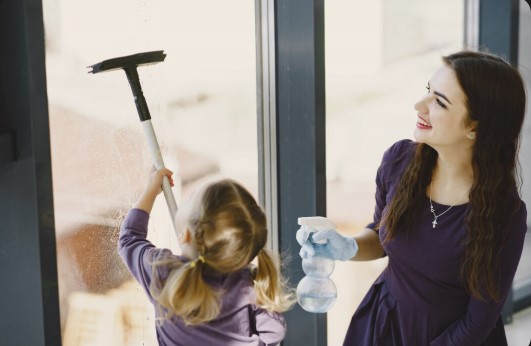
Creating a clean, safe, and healthy environment is essential in child care centres, where young children spend significant time learning, playing, and interacting with one another. Traditional cleaning methods often rely on harsh chemicals that may leave behind harmful residues and contribute to environmental pollution. Green cleaning, however, offers a healthier and more sustainable alternative—one that benefits children, staff, and the environment.
This guide explores why green cleaning matters in Adelaide child care centres, the best practices to follow, how to choose safe cleaning products, sustainable cleaning strategies, training protocols for staff, and the benefits of partnering with a professional green cleaning service.
Children are more vulnerable to chemical exposure because their bodies are still developing. Their respiratory systems are more sensitive, and they breathe more rapidly than adults, increasing their exposure to airborne toxins. Green cleaning significantly reduces children’s contact with harmful chemicals found in conventional cleaners, decreasing the risk of respiratory irritation, allergies, and chemical sensitivities.
Using eco-friendly products helps minimize the negative environmental impact typically associated with standard cleaning chemicals. Green products are biodegradable, derived from renewable resources, and safer for waterways and ecosystems. Proper waste disposal further ensures toxic chemicals are not reintroduced into the environment.
Harsh chemicals release volatile organic compounds (VOCs) that linger in the air and affect indoor air quality. For child care centres—where children spend most of their day indoors—this becomes a serious concern. Green cleaning eliminates these pollutants, ensuring cleaner, fresher air that supports healthier breathing and fewer asthma triggers.
To ensure products are genuinely eco-friendly, look for third-party certifications such as:
Green Seal
EPA Safer Choice
ECOLOGO
USDA BioPreferred
EWG Verified
Certified products avoid toxic ingredients and meet strict safety and sustainability standards. Natural alternatives like vinegar, baking soda, and mild soap can replace many commercial cleaners for everyday use.
Microfiber cloths are highly effective in trapping dust and germs while reducing the need for chemical cleaners. Their reusable nature also helps cut waste.
A two-step cleaning process is essential:
Clean with warm, soapy water to remove dirt and germs.
Sanitize or disinfect when necessary, especially in high-risk areas.
Knowing the difference is key:
Sanitizing reduces germs on surfaces like doorknobs, tables, and toys.
Disinfecting is reserved for surfaces contaminated by bodily fluids, such as nappy-changing stations.
Adopting sustainable waste practices makes a significant environmental difference:
Reuse microfiber cloths and washable mop heads.
Implement recycling programs within the centre.
Use refillable containers and buy products in bulk to reduce packaging waste.
Ensure hazardous materials are disposed of safely and correctly.
Even green products can benefit from proper ventilation. Opening windows and using exhaust fans reduces airborne contaminants, supports better breathing, and maintains indoor air quality.
Every staff member should understand:
How to identify safe products
Correct dilution and application
When to sanitize vs. disinfect
Waste reduction procedures
Safe storage of all cleaning supplies
Regular training ensures consistency and helps maintain high cleaning standards.
Green cleaning refers to using environmentally responsible products and sustainable cleaning methods that protect human health and the environment. This approach prioritizes:
Non-toxic and biodegradable ingredients
Reduced chemical exposure
Minimized waste and packaging
Efficient use of water and energy
Products with verified environmental certifications
The goal is to create spaces that are safe, clean, and supportive of healthy development, particularly for children whose bodies react more strongly to chemical residues than adults.
Green cleaning promotes:
Reduced exposure to harsh chemicals like ammonia, chlorine, and phenols
Improved indoor air quality
Lower risk of skin irritation, respiratory problems, or chemical ingestion
These benefits are especially important in environments where children regularly touch surfaces, put toys in their mouths, or have pre-existing allergies and asthma.
Eco-friendly cleaning supports sustainability through:
Biodegradable ingredients that break down safely
Renewable resources like plant-based surfactants
Recyclable or compostable packaging
Reduced water pollution
Child care centres thus contribute to broader environmental goals, supporting Adelaide’s commitment to sustainability.
Though some green products cost more upfront, they often balance out financially due to:
Higher concentration levels (less product used per clean)
Multi-purpose effectiveness
Reduced health risks for staff and children
Enhanced reputation and parent trust
Green cleaning practices can simplify cleaning routines and boost efficiency across the centre.
Certification labels: EPA Safer Choice, Green Seal, ECOLOGO
Transparent ingredients: No vague labels like “fragrance”
Free-from lists: Avoid dyes, synthetic fragrances, parabens
Plant- or mineral-based formulas
Fragrance-free or essential-oil-only scents
Harsh chemicals such as:
Bleach
Ammonia
Phenols
Trichloroethylene
Aerosol sprays
Products claiming to be “green” without certification
DIY Cleaners
All-purpose cleaner: water + white vinegar
Glass cleaner: vinegar + water + alcohol
Baking soda for scrubbing
Hydrogen peroxide for disinfecting (used safely and correctly)
These options reduce chemical exposure while maintaining effective cleaning.
Encourage:
Thorough handwashing with soap and water
Use of alcohol-based hand sanitizers when necessary
Proper respiratory etiquette (coughing into arms or tissues)
Healthy habits that support immunity
Clean with soap and water before disinfecting
Prioritize high-touch surfaces like light switches and doorknobs
Use reusable, washable materials
Consider probiotic-based cleaners that use beneficial bacteria
Open windows and doors when possible
Use air purifiers with HEPA filters
Reduce the need for chemical air fresheners
Reusable microfiber cloths and mop heads
Natural cleaning ingredients like vinegar and lemon
Bulk purchases to reduce packaging
Refillable containers
Turn off taps promptly
Use energy-efficient appliances
Run dishwashers and washing machines only when full
Avoid single-use plastics
Recycle containers properly
Use concentrated cleaning agents responsibly
Clean from top to bottom
Declutter surfaces
Promote awareness among staff and families
Safe product selection and dilution
Hazard awareness
Proper equipment use
Waste reduction strategies
Create detailed cleaning guidelines
Use checklists for consistency
Provide visual aids for reminders
Regular training sessions
Document attendance
Monitor performance and adjust protocols
Choosing a professional green cleaning provider simplifies the process and ensures consistent, high-quality results.
Look for companies that:
Use certified eco-friendly products
Are transparent about their processes
Have strong client reviews
Train their staff thoroughly
Clarify your needs, whether routine cleaning, deep cleaning, or event-specific cleaning, and request a tailored quote.
Healthier indoor environments
Reduced chemical exposure
Professional-grade standards
Enhanced productivity in commercial settings
Support for environmental goals
Adopting green cleaning practices in Adelaide child care centres creates safer, healthier environments for children and staff. By reducing exposure to harsh chemicals, improving air quality, and supporting sustainable practices, centres can foster better learning environments, gain parent trust, and contribute positively to the community and the planet. Green cleaning is not just a trend—it is an essential step toward a more responsible and child-friendly future.

© 2025 Crivva - Hosted by Airy Hosting Managed Website Hosting.








