


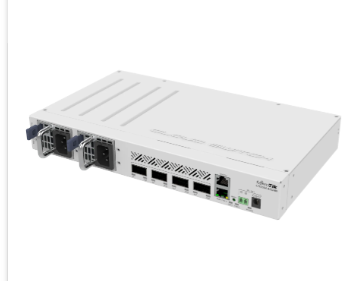
A network switch is one of the most important components of any business network. It acts as a central connection point that links computers, servers, printers, IP phones, wireless access points, security cameras, and other network-enabled devices. By efficiently directing data traffic between connected devices, a network switch helps ensure smooth communication, optimal performance, and reliable connectivity across the entire network.
However, not all network switches are the same. Businesses have different networking requirements depending on their size, industry, number of users, and future growth plans. Choosing the right network switch can significantly impact network speed, security, scalability, and overall operational efficiency.
With so many options available in the market, understanding the key features of a network switch is essential before making a purchasing decision. In this guide, we’ll explore the most important features to look for in a network switch and explain why they matter for modern businesses.
One of the first factors to consider when selecting a network switch is the number of ports it offers. Ports are the physical connection points used to connect devices to the network.
Small offices or home businesses may only require an 8-port or 16-port switch, while medium-sized and large organizations often need 24-port or 48-port models. Some enterprise environments may even require switches with higher port densities.
Choosing the appropriate port count ensures that all current devices can be connected without requiring additional hardware. It also provides room for future expansion as your organization grows. Investing in a switch with slightly more ports than you currently need can save time and money later.
Network speed plays a crucial role in business productivity. Modern organizations transfer large volumes of data daily, including documents, multimedia files, cloud-based applications, and video conferencing traffic.
Gigabit Ethernet switches provide data transfer speeds of up to 1 Gbps, which is significantly faster than older Fast Ethernet switches. These higher speeds allow employees to access files quickly, reduce application lag, and improve overall network performance.
For businesses that handle large data transfers or use bandwidth-intensive applications, switches with multi-gigabit or 10 Gigabit uplink ports can deliver even better performance. Investing in high-speed switching technology helps ensure that your network can support current and future demands.
Another important decision is choosing between a managed switch and an unmanaged switch.
Unmanaged switches are simple plug-and-play devices that require minimal setup. They automatically connect devices and begin forwarding traffic without requiring configuration. These switches are ideal for small networks with straightforward connectivity needs.
Managed switches offer advanced control and monitoring capabilities. Network administrators can configure settings, monitor traffic, prioritize applications, create virtual networks, and troubleshoot issues more effectively.
Managed switches are particularly beneficial for growing businesses because they provide greater flexibility, improved security, and enhanced network optimization. Although they typically cost more than unmanaged switches, the added functionality often justifies the investment.
Power over Ethernet (PoE) is one of the most useful technologies available in modern networking equipment. PoE allows a single Ethernet cable to deliver both power and data to connected devices.
This eliminates the need for separate power supplies and electrical outlets near devices. Common PoE-powered devices include:
Wireless access points
Security cameras
Smart sensors
Access control systems
PoE simplifies installation, reduces cable clutter, and provides greater flexibility when positioning devices. Businesses planning to deploy network-connected equipment should strongly consider switches with PoE support.
Cybersecurity threats continue to grow, making network security a top priority for organizations of all sizes. Modern managed switches often include a range of security features designed to protect sensitive information and prevent unauthorized access.
Important security capabilities may include:
Access Control Lists (ACLs)
Port Security
MAC Address Filtering
802.1X Authentication
Network Segmentation
Storm Control
These features help administrators control who can access the network and minimize the risk of security breaches. A secure network switch serves as an important layer of defense within a broader cybersecurity strategy.
Virtual Local Area Networks (VLANs) are a valuable feature for businesses that want better traffic management and network organization.
A VLAN allows administrators to divide a physical network into multiple logical networks. For example, separate VLANs can be created for:
Finance departments
Human resources
Customer service teams
Guest Wi-Fi users
Security systems
By separating traffic into distinct segments, VLANs improve security, reduce congestion, and simplify network management. They also help ensure that sensitive business data remains isolated from less secure network segments.
Not all network traffic is equally important. Certain applications, such as voice calls, video conferencing, and business-critical software, require higher priority than routine activities like file downloads or web browsing.
Quality of Service (QoS) enables administrators to prioritize specific types of traffic. This ensures that critical applications receive the bandwidth they need, even during periods of heavy network usage.
Organizations that rely on VoIP phones, online meetings, cloud applications, and remote collaboration tools can greatly benefit from switches that support QoS functionality.
Business requirements rarely remain static. As organizations expand, they often add more users, devices, applications, and locations.
A scalable network switch allows businesses to grow without completely redesigning their network infrastructure. Features that support scalability include:
Additional port capacity
Stackable switch options
Modular expansion capabilities
High-speed uplink connections
Investing in scalable networking equipment helps protect your investment and reduces the need for costly upgrades in the future.
Network downtime can disrupt operations, reduce productivity, and negatively impact customer experiences. Therefore, reliability should be a major consideration when selecting a network switch.
Enterprise-grade switches are designed to operate continuously with minimal interruptions. Many models include advanced features such as:
Redundant power supplies
Failover mechanisms
Link aggregation
Enhanced cooling systems
These capabilities improve network stability and help maintain business continuity. Choosing a reliable switch ensures employees remain connected and productive throughout the workday.
Managing a network becomes increasingly challenging as it grows. Modern switches often include intuitive management tools that simplify monitoring and maintenance.
Features that improve manageability include:
Web-based management interfaces
Command-line access
Remote monitoring
Network analytics
Real-time performance dashboards
These tools allow administrators to quickly identify issues, optimize performance, and make configuration changes when necessary. Easier management reduces administrative workload and improves overall network efficiency.
Energy-efficient networking equipment can help organizations lower operating costs and support sustainability initiatives.
Many modern switches include intelligent power-saving technologies that automatically reduce power consumption when ports are inactive or network demand is low. Features such as Energy Efficient Ethernet (EEE) help minimize electricity usage without affecting performance.
While the savings may seem small on a single device, they can become significant in larger deployments with dozens or hundreds of switches.
Businesses with more advanced networking requirements should also consider whether they need Layer 2 or Layer 3 switching functionality.
Layer 2 switches primarily handle data forwarding within a local network. Layer 3 switches add routing capabilities, enabling communication between different VLANs and network segments.
Organizations with complex network architectures often benefit from Layer 3 switches because they improve traffic management and reduce reliance on separate routers.
Selecting the right network switch involves much more than simply connecting devices. The ideal switch serves as the foundation of a secure, reliable, and high-performing network infrastructure.
Features such as adequate port capacity, Gigabit speeds, PoE support, VLAN functionality, QoS, scalability, advanced security, and energy efficiency can significantly improve network performance and operational efficiency. Businesses should carefully evaluate their current requirements while also planning for future growth.
By investing in a network switch that offers the right combination of performance, security, and manageability, organizations can build a stable networking environment that supports productivity, protects valuable data, and adapts to evolving business needs for years to come.

© 2025 Crivva - Hosted by Airy Hosting Managed Website Hosting.