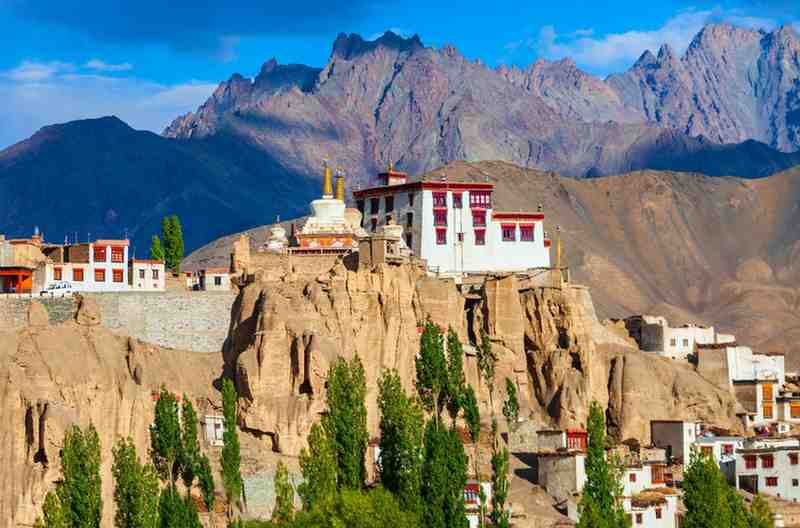
Ladakh is one of India’s most thrilling destinations for high altitude adventure, and trekking remains the best way to experience its raw beauty. Surrounded by dramatic mountains, ancient monasteries, frozen rivers, and isolated villages, Ladakh offers trails that suit both beginners and experienced trekkers. Every route reveals a different side of the region, from colorful prayer flags fluttering beside mountain passes to crystal clear lakes hidden deep within the Himalayas. The trekking season in Ladakh usually begins in late May and continues until September, when the weather stays relatively stable and the skies remain bright blue. Travelers looking for unforgettable landscapes, cultural experiences, and physical challenges often choose Ladakh over other Himalayan regions because of its unique cold desert terrain.
The Chadar Trek is easily the most famous winter trek in Ladakh. Conducted on the frozen Zanskar River, this adventure attracts trekkers from around the world every year. During peak winter, temperatures can drop below minus twenty degrees, turning the river into a thick sheet of ice. Trekkers walk across this frozen surface while passing narrow gorges, icy waterfalls, and dramatic cliffs. The journey usually lasts around eight to nine days and requires strong physical endurance. Despite the harsh conditions, the trek rewards travelers with extraordinary scenery and a rare chance to witness the frozen beauty of Ladakh during winter.
The Markha Valley Trek is considered one of the best summer treks in Ladakh because it combines natural beauty with cultural experiences. The route passes through remote villages, green valleys, Buddhist monasteries, and high altitude mountain passes. Trekkers often cross the Kongmaru La Pass, which offers stunning panoramic views of the surrounding Himalayan peaks. Along the way, travelers stay in local homestays and interact with Ladakhi families, making the experience more personal and authentic. This trek is ideal for beginners who want moderate difficulty without missing the dramatic landscapes that make Ladakh famous among adventure enthusiasts.
Although Stok Kangri has experienced periodic restrictions, it still remains one of the most iconic trekking peaks associated with Ladakh. Rising above six thousand meters, the mountain attracts adventure seekers who dream of climbing a Himalayan summit without advanced mountaineering experience. The trek begins near Stok village and gradually gains altitude through campsites surrounded by rugged mountains. Reaching the summit requires determination because of steep snow covered sections and thin mountain air. However, the reward is unforgettable. From the top, trekkers can witness sweeping views of the Karakoram Range, Zanskar Range, and distant Indus Valley landscapes.
The Sham Valley Trek is perfect for travelers searching for an easier and shorter trekking experience in Ladakh. Often called the baby trek, this route is suitable for beginners, families, and travelers with limited time. Unlike difficult high altitude expeditions, the Sham Valley Trek focuses more on cultural exploration and scenic beauty. Trekkers walk through charming villages, apricot orchards, small monasteries, and peaceful mountain trails. The route also includes opportunities to experience traditional Ladakhi hospitality through village homestays. Since the altitude gain remains manageable, travelers can enjoy the landscapes comfortably while slowly adjusting to Ladakh’s unique environment and weather conditions.
The Snow Leopard Trek offers a completely different experience compared to traditional trekking routes in Ladakh. Instead of focusing only on mountain passes and campsites, this trek centers around wildlife exploration in the Hemis National Park region. Winter is the best season for this adventure because snow leopards descend to lower altitudes in search of prey. Trekkers move carefully through remote valleys with experienced local guides who understand animal movements and tracking methods. Even spotting a snow leopard from a distance becomes a memorable achievement. Besides wildlife encounters, the trek also showcases frozen landscapes, dramatic cliffs, and the untouched wilderness that defines Ladakh.
The ideal trekking season in Ladakh depends entirely on the route travelers choose. Summer treks such as Markha Valley, Sham Valley, and Stok Kangri are generally popular between June and September because roads remain open and temperatures stay pleasant during daytime. Winter treks, especially the famous Chadar Trek and Snow Leopard Trek, usually operate between January and February when freezing conditions create unique landscapes across the region. Proper acclimatization is extremely important before starting any trek in Ladakh because the high altitude can affect breathing and energy levels significantly.
Travelers planning trekking adventures in Ladakh should always carry warm clothing, waterproof shoes, sunscreen, sunglasses, and essential medicines. Hiring experienced local guides also improves safety while supporting local communities and tourism businesses. Every trek in Ladakh delivers a different combination of adventure, culture, and scenery, making the region one of the greatest trekking destinations in the Himalayas. Whether someone prefers frozen rivers, wildlife exploration, mountain summits, or peaceful village trails, Ladakh offers unforgettable experiences that remain memorable long after the journey ends for every traveler.
Trekkers should also prepare physically before visiting Ladakh because long walking hours and steep climbs can become exhausting without proper fitness. Short practice hikes, regular cardio exercises, and hydration training help travelers adjust better during high altitude expeditions. Respecting local customs is equally important while trekking through remote villages and monastery regions. Visitors should avoid littering, reduce plastic usage, and follow instructions shared by guides and local residents. Responsible trekking protects Ladakh’s fragile ecosystem while preserving its cultural heritage for future generations. Choosing sustainable travel practices also ensures that tourism continues benefiting local families, guides, porters, and small businesses across the region for many years.

© 2025 Crivva - Hosted by Airy Hosting Managed Website Hosting.