Missing a tooth can impact more than just your smile—it can affect your chewing ability, your confidence, and even your long-term oral health. Fortunately, modern dentistry offers a reliable, long-lasting solution: tooth implants. If you’re considering a tooth implant in Ancaster, this guide covers everything you need to know, including cost, benefits, the procedure, and what to expect during recovery.
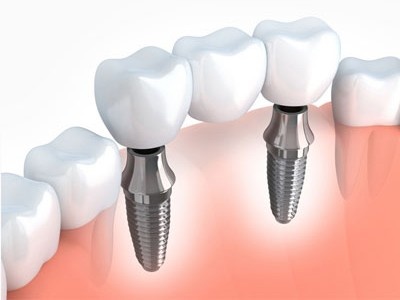
A tooth implant is an artificial tooth root made of titanium or zirconia. It is placed into the jawbone to support a crown, bridge, or denture. Because it integrates with your bone, it acts, feels, and functions like a natural tooth.
Tooth implants are considered the gold standard for tooth replacement because they are strong, durable, and highly successful when placed by trained professionals.
You may be a candidate if you have:
A missing or extracted tooth
A cracked or severely decayed tooth that can’t be saved
A loose or failing dental bridge
Bone loss due to long-term missing teeth
Difficulty chewing or speaking
Whether you lost a tooth from injury, decay, or gum disease, tooth implants offer a stable and long-term solution.
The cost of a tooth implant in Ancaster generally ranges depending on several factors such as:
X-rays or 3D CBCT scans help your dentist examine the bone level.
The titanium implant is surgically inserted into the jawbone.
A connector piece placed on top of the implant once it heals.
A custom tooth-colored crown that matches your natural teeth.
Some patients may require:
Bone grafting
Sinus lift
Tooth extraction
Number of implants
Bone quality
Type of implant material
The experience of your dentist
Lab fees
Type of crown (zirconia, porcelain, etc.)
Although implants may cost more than alternatives like bridges or dentures, they offer unmatched longevity and value.
Tooth implants provide a wide range of functional and cosmetic benefits:
Implants can last a lifetime with proper care.
They mimic your natural teeth in both appearance and function.
When a tooth is missing, the jawbone begins to shrink. Implants keep it stimulated and healthy.
Unlike removable dentures, implants let you eat normally—even crunchy or chewy foods.
No slipping, shifting, or clicking.
Unlike dental bridges, implants do not require grinding down healthy teeth.
Brush and floss just like regular teeth—no adhesives or special cleaning tools.
The implant process is completed in stages to ensure proper healing and long-term success.
Your Ancaster dentist evaluates:
Bone structure
Gum health
Jaw alignment
Medical history
Digital imaging determines if you’re a good candidate.
If the tooth is still present but severely damaged, it may need to be removed before the implant is placed.
If your jawbone is too thin or soft, bone grafting helps build enough structure to support the implant.
This step may add healing time but improves long-term implant success.
During a comfortable, minimally invasive procedure:
The dentist numbs the area
A small opening is made in the gum
The titanium implant is placed into the jawbone
The gum is stitched closed
Healing begins immediately.
Over the next 3–4 months, the bone grows around the implant, locking it securely into place.
This stage is crucial for strength and stability.
Once healed, a connector piece (abutment) is attached to the implant.
A custom-made crown is designed to match:
Your natural tooth color
Shape
Size
Bite alignment
This completes your smile restoration.
Most patients recover quickly and comfortably. Here’s what to expect:
This typically lasts 24–72 hours after surgery.
Over-the-counter medications are usually enough.
Stick to:
Yogurt
Mashed potatoes
Smoothies
Scrambled eggs
Avoid hard or crunchy foods until your dentist approves.
Smoking slows healing and increases implant failure risk.
Brush gently around the site and use warm saltwater rinses.
Your dentist will monitor healing to ensure everything is progressing smoothly.
With proper care, tooth implants can last 25+ years – often a lifetime.
The crown may need replacement after 10–15 years due to normal wear but remains strong and functional.
Yes—implants are an investment in your long-term oral health. They:
Look natural
Restore function
Protect your bone
Last much longer than bridges or dentures
Most patients say the confidence and comfort they gain make implants worth every penny.
Most patients feel only minor discomfort. The procedure is done under local anesthesia, making it very comfortable.
It usually takes 3–6 months, depending on bone healing and whether grafting is needed.
Anyone with good oral health, adequate bone density, and no uncontrolled medical conditions.
Brush, floss, and maintain routine dental visits—just like with natural teeth.
Yes. Implants don’t damage nearby teeth and last longer.

© 2025 Crivva - Hosted by Airy Hosting Managed Website Hosting.