


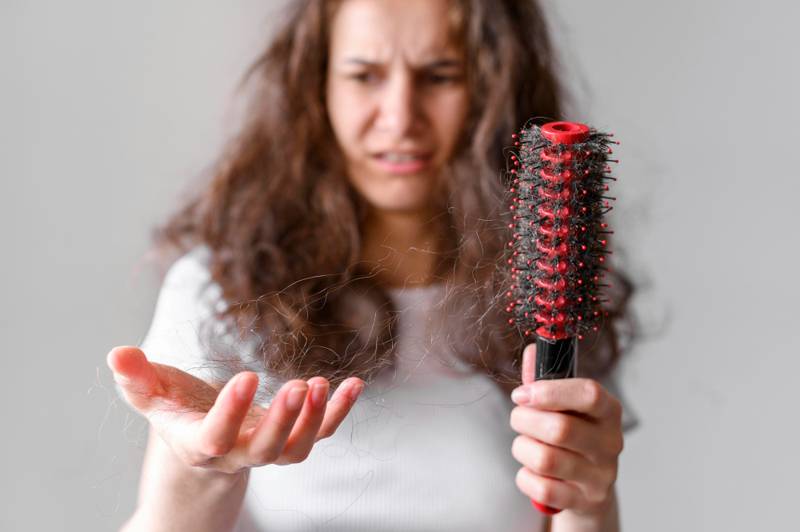
A hair transplant is a medical procedure where hair from the back and sides of the head is moved to areas that are balding. Before the surgery, doctors look at how much hair loss there is to figure out the best treatment. The process is painless because a local anesthesia is given to numb the area, making sure the patient is comfortable. The two most common methods for hair transplants are follicular unit extraction (FUE) and follicular unit transplant (FUT). Skilled surgeons usually perform these procedures, which can take about 5 to 6 hours to complete. Hair transplants have been done since the late 1970s and early 1980s, and studies from groups like the Hair Research Society have helped improve modern techniques.
One needs a hair transplant when there is permanent hair loss. There are many reasons why a hair transplant is needed. Let’s dive into some of them.
Genetic predisposition
Genetics is one of the most common reasons; if hair loss runs in the family, the individual is more likely to experience it as well.
Lack of healthy diet
A poor diet that lacks essential nutrients such as minerals and vitamins weakens hair follicles and leads to increased hair fall. Maintaining a balanced diet rich in iron, biotin, and omega-three fatty acids is crucial for healthy hair growth.
Stress and depression
These two factors are also among the leading reasons for hair loss in today’s fast-paced world. High-stress levels disrupt the natural hair growth cycle, causing excessive shedding in both men and women. Practicing relaxation techniques, doing regular exercises, and maintaining a healthy lifestyle can help reduce the stress related to hair loss.
Male pattern baldness
The procedure can be opted for by men who experience male pattern baldness, a good donor area that lies on the back of the head. This procedure helps restore hair in bald areas, providing a natural and permanent solution to hair loss.
Women with thinning areas
Similarly, women who have hair thinning and maintain a good donor area can also undergo hair transplantation. Unlike men, women often face thinning instead of complete baldness, so hair transplants are done to add density to the affected areas.
A hair transplant is not beneficial for people who face hair loss due to treatments like chemotherapy as this is permanent hair loss, and hair grows back later.
People with insufficient donor areas are not recommended to go for hair transplants as the success of treatment is based on the availability of follicles on the back of the head.
Individuals who have keloid scars should not get hair transplants as they can make the scalp itchy, painful and uncomfortable afterwards.
Surgeons numb the area with the use of local anaesthesia as the first step before proceeding with the next step. This ensures that the patient does not feel pain or discomfort throughout the process. Once the anaesthesia takes effect, the surgeon moves forward. The painless process is one of the factors contributing to more people opting for it, and hair transplant has become significantly more common, especially as newer biological approaches studied by the Regenerative Medicine Association continue to advance the field.
The next step is called the strip method, in which the skin of the hair is removed from the donor area, the back of the scalp, where the hair growth is tense.
In the next step, the strip taken from the donor area is divided into some grafts and those grafts are placed where the baldness is.
The final step is to stitch the area from where the skin with hair was taken. The surgeon carefully closes the donor site with stitching, ensuring minimal scarring.
After the treatment is done, it is normal for the scalp to feel tender. Some patients may need to wear bandages afterwards, or some anti-inflammatory drugs can be prescribed by a surgeon to cure discomfort, pain or swelling right after the transplant.
As we research the search engine platforms regarding which doctor or clinic to choose to go through the process of hair transplantation, we see various clinics are offering free consultation. This free consultation is not a consultation with the surgeon or doctor, it is merely with the sales representative who will pitch you till he has achieved the target of manipulating you to get the procedure done from that particular clinic or doctor only. So it is highly suggestive to avoid such kinds of free offers of consultation.
A trained medical professional will assess each detail like:
Was the patient taking any prescribed medicines in the past?
Was he taking up any steroids?
Is he used to the consumption of alcohol?
Does he smoke?
Does he have any family history of baldness?
Assessment of your Hair loss
It is the majorly important part of the consultation with a doctor who is going to carry out the surgical procedure of hair transplantation. A trained and professional doctor will definitely assess your loss and its basic details like:
The density of your hair
Miniaturization
Number of hair grafts to be implanted
Based on the assessment of your hair loss, a doctor will decide which hair procedure should be carried out.
What are the questions that struck in the mind of the people who are going to have the surgery?
Several questions occur in the minds of people who are the victims of hair loss, so it is very important to ask the mandatory questions. It is always good to clear out all the doubts before taking up the procedure otherwise one may not be able to participate in the surgery with a happy mind. Stress has always remained a factor that aggravates the intensity of the situation that could lead to bad results.
One must get to know the answers to following questions:
Are there any side effects?
Will the result of the hair transplantation process surely be positive?
Will there be any discomfort in the post-surgery period?
If you’re dealing with noticeable hair loss, there are plenty of clinics and doctors you can talk to for professional advice and help.

© 2025 Crivva - Hosted by Airy Hosting Managed Website Hosting.