


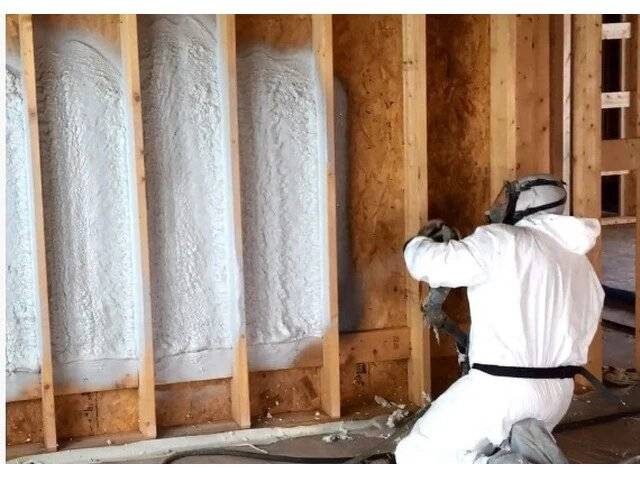
Thermal bridging occurs when heat passes through highly conductive materials that break the continuity of your insulation layer. In most buildings, this happens through wood or metal wall studs because they act as a physical bridge for heat to bypass the insulation in the wall cavities. Because these materials have a much lower resistance to heat flow than insulation, they essentially leak energy directly between the interior and exterior of your property.
This process significantly reduces the overall efficiency of your building envelope, making your heating and cooling systems work much harder than necessary. Understanding how to identify and stop these leaks is the first step toward creating a truly energy-efficient space. The following sections provide an expert look at the mechanics of heat transfer and the practical methods used to secure a building against these common energy drains.

Standard wall construction involves placing insulation between studs, but the studs themselves often remain uninsulated. Wood conducts heat about three times faster than standard fiberglass insulation. If your building uses steel studs, the problem is even more severe because metal conducts heat significantly faster than wood.
This means that even if you have high-quality wall insulation between the studs, the wood or metal frame creates a gap in your thermal defense. This bypass allows heat to exit during the winter and enter during the summer.
Different building materials offer varying levels of resistance to heat flow. When you choose materials for a construction or renovation project, you must consider how they contribute to or prevent thermal bridging. High-density materials like concrete and steel are the most problematic for energy retention.
Thermal Performance of Building Materials
|
Material Type |
Heat Transfer Rate |
Impact on Energy Efficiency |
|---|---|---|
|
Closed Cell Spray Foam |
Extremely Low |
Excellent barrier against bridging |
|
Mineral Wool Batts |
Low |
Good between studs but no bridge protection |
|
Softwood Studs |
Medium |
Creates moderate thermal bridges |
|
Structural Concrete |
High |
Significant energy loss without breaks |
|
Steel Framing |
Very High |
Severe thermal bridging risks |
When heat constantly moves through your wall studs, it creates more than just high utility bills. It affects the physical condition of your walls and the air quality inside your home. One common sign of this issue is known as “ghosting,” where dark lines appear on your walls or ceilings exactly where the framing members are located.
Addressing these bridges helps maintain the structural integrity of your building while keeping your living spaces cleaner and healthier.
As previously established, stopping the flow of heat through your framing requires creating a “thermal break.” This is a layer of material with high thermal resistance placed between the conductive studs and the exterior environment. There are several ways to achieve this, depending on whether you are building a new structure or updating an existing one.
The most effective way to eliminate thermal bridging is to wrap the entire building in a layer of continuous insulation. By placing rigid foam boards or specialized spray foam over the outside of the wall studs before the siding is installed, you separate the frame from the outdoor temperatures.
For those starting a new build, advanced framing techniques can minimize the amount of wood used in the walls. By spacing studs 24 inches apart instead of the traditional 16 inches, you reduce the number of thermal bridges by about one third.
Spray foam is a versatile tool for fighting energy loss because it provides a high R-value in a very thin application. While it is usually installed between studs, it can be used in combination with other methods to create a superior seal.
Using spray foam in areas like rim joists and attic top plates is a common practice. These are areas where traditional wall insulation service often fails to provide a complete seal.
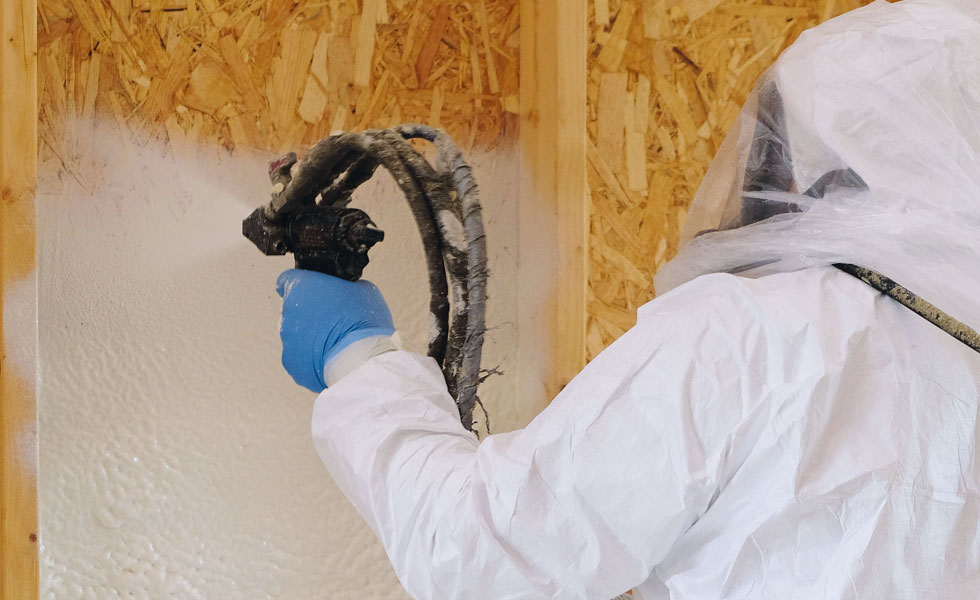
While thermal bridging is a universal issue, its impact is particularly acute in hot desert climates like Nevada. In these regions, the sun can heat exterior siding to very high temperatures, conducting heat directly through the wall studs into the interior. Even if the air is cool, you might feel heat radiating from your walls.
High-performance spray foam is particularly effective in the Las Vegas valley because it handles the extreme radiant heat of the sun better than fiberglass. It keeps the internal temperature of the studs lower, which prevents them from acting like heaters inside your rooms.
Before you commit to an insulation project, you must evaluate the specific needs of your building. Every structure has unique challenges based on its age, location, and existing materials. Taking the time to analyze these factors helps you select the most effective solution for your budget.
If you are not ready for a full renovation, you can still take smaller steps to reduce the impact of thermal bridging. Focusing on the attic and basement is often the most cost-effective approach for older homes. These areas typically have the most exposed framing and the largest gaps in the thermal envelope.
Sealing the top plates of your walls in the attic prevents heat from traveling up through the studs and escaping. In the basement, insulating the rim joists where the house sits on the foundation can stop a major source of conductive heat loss.
Stopping heat transfer is a technical process that requires the right tools and knowledge. Professional installers use thermal imaging cameras to see exactly where heat is escaping through your framing. They understand how different materials interact and how to apply them to avoid moisture traps.

Addressing thermal bridging is one of the most effective ways to improve the performance of your building. By identifying the conductive paths in your walls and using techniques like continuous insulation or high-performance spray foam, you can stop the cycle of energy theft. These improvements lead to lower utility costs, better indoor air quality, and a more comfortable living environment.
If you are concerned about your wall studs stealing energy, reaching out to a professional is the best next step. The team at Supreme Spray Foam LV provides a wide variety of services, including Attic Insulation, Wall Insulation, and both Closed Cell and Open Cell Spray Foam Insulation. They can help you identify thermal bridges and suggest the right products to secure your building. For more information or to request a free quote, you can contact them at (702) 904-9895 or via email at [email protected]. They are ready to help you create a more efficient and comfortable property.
You can look for “ghosting” or dark streaks on your walls and ceilings that follow the lines of the studs. In very cold weather, you might also notice that these specific areas feel much colder to the touch than the rest of the wall.
No, fiberglass insulation placed between the studs does not stop the heat from moving through the studs themselves. To stop bridging, you must add a layer of insulation that covers the face of the studs.
It is common in both, but older homes often have less insulation to begin with. Many newer homes now use continuous exterior insulation to meet stricter building codes and prevent these energy leaks.
While you cannot easily cover the studs without removing drywall, professionals can inject certain types of foam into the cavities. For the best results, sealing the top and bottom plates with spray foam helps reduce the airflow associated with bridging.
In most homes, the metal frames around windows and doors, along with steel structural beams, are the most significant thermal bridges. These materials transfer heat much faster than wood or masonry.

© 2025 Crivva - Hosted by Airy Hosting Managed Website Hosting.