The world is entering a phase where technological change is no longer gradual but structural. Artificial intelligence and digital financial systems are not just innovations—they are becoming the backbone of a new global order.
As reported by TechBullion, economist and diplomat Dr. Drasko Acimovic describes this shift as the “Third Gutenberg Moment,” a concept that frames today’s transformation as comparable in scale to the invention of the printing press and the rise of the internet.
According to this framework, humanity has already crossed a threshold. The future is no longer something to anticipate—it is actively shaping economic systems, political institutions, and global competition in real time. This transition is driven primarily by two forces: artificial intelligence and central bank digital currencies (CBDCs).
To understand the significance of this moment, it helps to look at the historical parallels Acimovic outlines. The first “Gutenberg moment” began in the 15th century with the printing press, which broke the monopoly on knowledge and allowed ideas to spread widely. This fundamentally changed education, governance, and commerce. The second moment arrived with the digital revolution—particularly the internet and mobile technologies—which decentralized communication and connected the world at scale.
The third stage, unfolding today, goes deeper than both. It does not just change how information is shared—it transforms how decisions are made and how value is managed. Artificial intelligence is increasingly responsible for analyzing data, optimizing processes, and even guiding strategic choices. At the same time, CBDCs introduce a new form of money that is programmable, traceable, and directly controlled by central authorities.
This combination creates a powerful shift in how systems operate. In traditional economic models, multiple intermediaries—banks, payment processors, regulatory bodies—played key roles in facilitating transactions and maintaining trust. With digital currencies and AI-driven infrastructure, many of these layers can be reduced or bypassed entirely. Transactions can be executed faster, monitored more precisely, and integrated into automated systems.
The implications of this are both technical and political. On one hand, efficiency increases. Governments can implement monetary policy with greater precision, businesses can streamline operations, and consumers can benefit from faster and more transparent services. On the other hand, control becomes more centralized within digital frameworks, raising important questions about governance, privacy, and autonomy.
How these technologies are used depends largely on the strategies adopted by individual countries. One of the most striking aspects of the “Third Gutenberg Moment” is that it disrupts established hierarchies. In previous eras, global leadership was closely tied to industrial capacity, natural resources, and long-standing institutions. Today, technological adoption can quickly redefine a nation’s position.
For smaller or emerging economies, this presents a unique opportunity. By investing in AI and digital financial infrastructure early, they can leapfrog traditional stages of development. Instead of building complex legacy systems, they can adopt more advanced, flexible models from the outset. This can accelerate growth and enhance their role in international markets.
However, the window for such advantages may be limited. As more countries implement these technologies, new standards and systems will solidify. Those who lag behind risk becoming dependent on external platforms and losing influence over key economic processes. In a world where data and digital infrastructure define power, delayed adoption can translate into reduced sovereignty.
Another critical insight from Acimovic’s perspective is that this transformation is not purely technological. While engineers and developers are essential for building AI systems and digital currencies, they are not the only actors shaping the future. The design of these systems reflects broader societal choices.
For example, AI algorithms must be trained on data and guided by rules that determine how they operate. CBDCs must be implemented within policy frameworks that define how money can be used, tracked, or restricted. These decisions involve ethical, legal, and social considerations, not just technical ones.
As a result, the “architects” of this new era extend beyond the IT sector. Economists, policymakers, legal experts, and even professionals from fields like healthcare and agriculture play a role in defining how these systems function. Their input helps ensure that technological progress aligns with human needs and societal values.
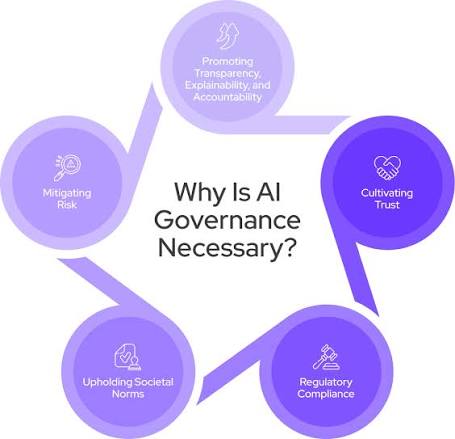
This interdisciplinary approach is becoming increasingly important as AI systems grow more complex. It is no longer sufficient to build efficient tools; it is necessary to ensure they are fair, transparent, and accountable. Similarly, digital currencies must balance innovation with stability and trust.
The concept of sovereignty is also evolving in this context. Traditionally, sovereignty has been associated with territorial control and political independence. Today, it increasingly depends on a country’s ability to manage its digital infrastructure and data ecosystems. Nations that control their AI capabilities and financial systems are better positioned to maintain autonomy in a connected world.
This shift can be observed in the growing number of countries exploring CBDCs. From pilot programs to full-scale implementations, governments are testing how digital currencies can support economic stability and innovation. At the same time, investments in AI research and development are accelerating, reflecting the strategic importance of these technologies.
What distinguishes the current moment from previous technological waves is its immediacy. The transformation is not a distant possibility—it is already underway. Institutions are adapting, markets are evolving, and new forms of interaction are emerging. This creates both urgency and uncertainty, as stakeholders must make decisions without fully knowing the long-term outcomes.
Despite these challenges, one principle stands out: adaptation is essential. Organizations and governments that recognize the scale of this shift and act proactively are more likely to succeed. Those that rely on outdated models may struggle to remain relevant in a rapidly changing environment.
In practical terms, this means investing in digital infrastructure, developing clear regulatory frameworks, and fostering collaboration across sectors. It also requires a willingness to rethink traditional assumptions about how economies and institutions function.
Ultimately, the “Third Gutenberg Moment” highlights a broader transformation in how the world operates. It is not just about new technologies, but about a new way of organizing society, managing resources, and exercising power. As AI and digital currencies continue to evolve, they will play a central role in shaping the next phase of global development.
Understanding this shift is critical for anyone involved in business, policy, or innovation. The decisions made today will influence not only economic outcomes, but also the structure of the global system for decades to come.

© 2025 Crivva - Hosted by Airy Hosting Managed Website Hosting.