

What to know, what to ask, and what to walk away from before you spend a single rupee.
TL;DR: Most jewellery buying guides tell you what exists. This one tells you how to decide. Know your occasion, set the budget first, check for BIS hallmarking, ask the right questions, and watch for the red flags that signal a bad deal. Here’s the full breakdown.
I’ve spent enough time around jewellery purchases to know where things go wrong. It’s almost never the piece itself. It’s the process. Buyers walk in underprepared, get overwhelmed by options, and either overspend or settle for something that doesn’t quite fit.
This jewellery buying guide fixes that. Not with a list of metal types you’ll forget, but with a framework you can actually use before you walk into any store.
Not all jewellery buying is the same. The rules shift depending on what you’re buying for.
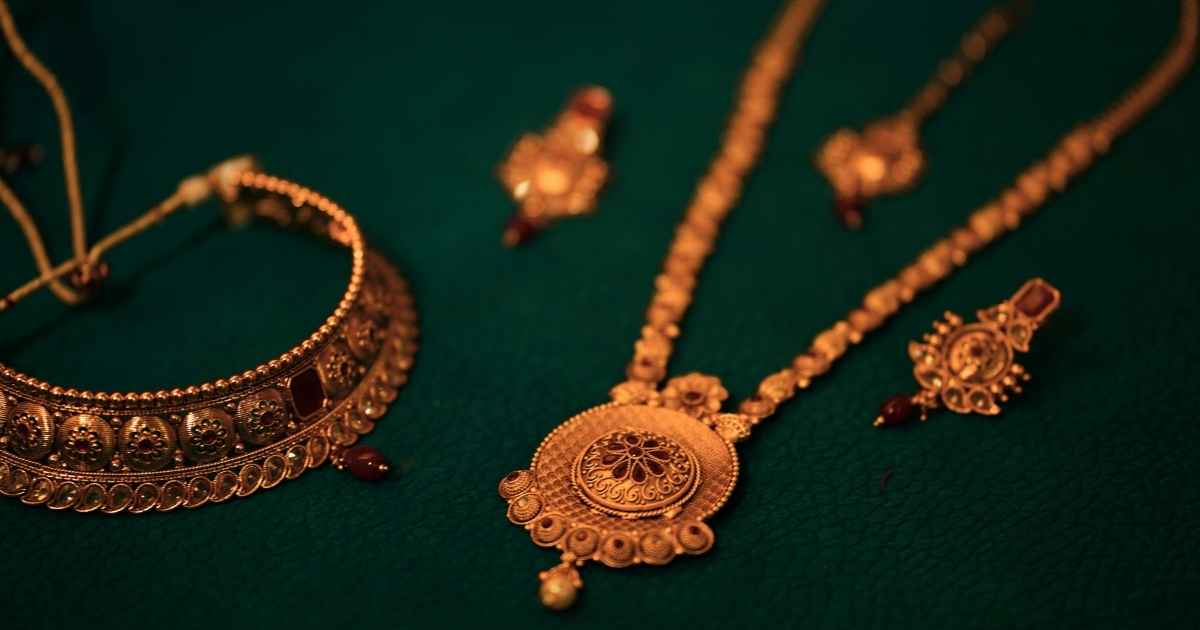
Buying for a wedding or ceremony: You need to think across multiple occasions, not just one. A bridal set for the pheras, lighter pieces for mehendi and sangeet, and something more contemporary for the reception. Each has a different weight, budget, and function. Treating them as one purchase is how budgets collapse.
Buying as a gift: Start with what they already wear, not what you like. Check their existing pieces. Are they gold or silver? Minimal or layered? Statement or subtle? The safest gift is always one that fits their existing style, not your idea of what looks good.
Buying as an investment: Gold holds value. Diamonds are harder. Investment buying means prioritizing purity, certification, and resale terms over design. Buy hallmarked gold and certified stones. Ask about the jeweller’s buyback policy before anything else.
Knowing which category you’re in shapes every decision that follows.
Browse first and your reference point shifts within ten minutes. Once you’ve touched a piece you love at a certain price, everything cheaper feels like a downgrade.
Fix the number before you enter the store. Be specific.
For weddings, break the budget by occasion. The main wedding set gets the biggest share. Mehendi and sangeet pieces can be lighter and less expensive. Reception can go contemporary and often doesn’t need to match the bridal set at all.
Making charges matter too. In India, jewellery prices include a labor charge for crafting the piece. This can range from 8% to 35% of the gold value depending on the complexity. It’s often negotiable. Ask about it upfront.
Gold purity: In India, look for BIS hallmarking. It confirms what you’re getting.
No BIS stamp? Ask why. A legitimate jeweller has a straight answer.
Traditional jewellery types:
Diamonds: Always ask for a GIA or IGI certificate. The certificate tells you the cut, color, clarity, and carat in exact terms. Without it, you’re trusting the salesperson’s word, and that’s not a good position.
Lab-grown diamonds are chemically identical to natural ones. They cost 50% to 70% less for the same visual quality.
Natural diamonds hold their value better over time. Lab-grown diamonds depreciate faster, closer to how electronics do.
Neither is the wrong choice. But you should make it consciously, not because the jeweller didn’t mention the option. Ask specifically. A good jeweller will explain both without pressure.
These come up more than they should.
“No certificate needed, trust us.” Always need the certificate for diamonds. Full stop.
Vague making charge explanations. Making charges should be explained clearly. If the breakdown is evasive, that’s a signal.
No written receipt with itemized details. Weight, purity, stone quality, price. All of it on paper. Verbal assurances mean nothing.
Pressure to buy the same day. Good jewellers don’t rush you. If urgency is being manufactured, walk out.
No buyback or exchange policy. Gold has real resale value. Any reputable jeweller will tell you their buyback rate and terms in clear language.
These five questions will tell you almost everything:
A jeweller who answers these clearly and without hesitation is the one worth buying from.
For weddings, start three to four months out. Custom pieces can take six to eight weeks just for production, before adjustments.
Do a full trial. Wear the complete set with the outfit at least once before the wedding. If something sits wrong or feels heavier than expected, you need time to do something about it. Most brides who skip this step regret it.
If you’re looking for a jeweller who can walk you through this process clearly, without pressure, Shaadinama by Talla Jewellers is where most Jammu brides begin. The range covers traditional Kundan and Polki sets, contemporary diamond pieces, and everything in between.
Browse the collection before your first appointment. Come in knowing your occasion, your budget, and your questions. That conversation will go somewhere useful.

© 2025 Crivva - Hosted by Airy Hosting Managed Website Hosting.