

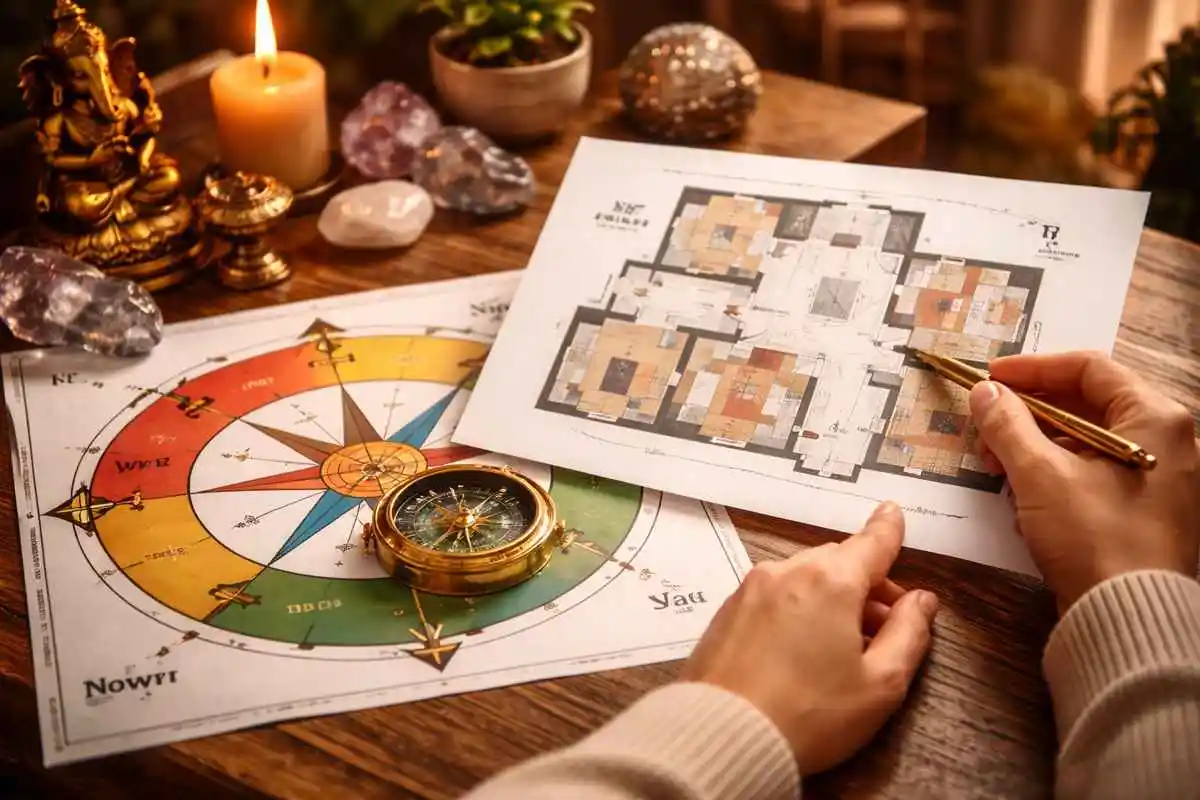
Vastu Shastra is an ancient Indian architectural science that focuses on creating harmony between human living spaces and the natural energies of the universe. It is much more than simply designing a building or placing furniture in certain directions.
Instead, Vastu emphasizes how the environment, cosmic energy, and natural elements influence the lives of the people who live in that space. According to traditional beliefs, when a house or building is designed in alignment with natural forces, it creates a balanced environment that promotes health, prosperity, and peace of mind.
The principles of Vastu Shastra have been followed for centuries in India, especially in the construction of temples, homes, and important public structures. These principles are based on observation of nature, the movement of the sun, the flow of wind, and the interaction of natural elements. Even in modern times, many people still rely on Vastu guidelines while designing homes, offices, and commercial buildings because they believe that a properly balanced environment helps improve both personal and professional life.
In Vastu Shastra, directions play a vital role because each direction is believed to carry a specific type of energy. These energies influence different aspects of human life, such as health, wealth, relationships, and mental stability. The correct placement of rooms, entrances, and important spaces according to directions is therefore considered essential in Vastu planning. Many people who want to study these principles in depth choose to explore structured learning through a vastu shastra course, which explains how directions influence the flow of energy within a space.
The east direction is associated with the rising sun and symbolizes new beginnings, vitality, and clarity. Because the sun rises in the east, homes that allow sunlight to enter from this direction are believed to attract positivity and good health. For this reason, Vastu often recommends that entrances or windows facing the east direction can help bring beneficial energy into the home.
The north direction is linked with prosperity and financial growth. In traditional Vastu philosophy, this direction is associated with the deity Kubera, who represents wealth and abundance. Because of this belief, many homes and business establishments prefer to have entrances or important financial areas in the north direction.
The south direction is often associated with strength and stability, while the west direction represents balance and progress. Each direction contributes to the overall energetic structure of a building. When these directions are used correctly, they help maintain harmony within the living environment.
Another fundamental principle of Vastu Shastra is the concept of the five natural elements, known as the Panch Mahabhutas. These elements include Earth, Water, Fire, Air, and Space. According to Vastu philosophy, every environment is influenced by these elements, and maintaining balance among them is essential for creating a healthy living space.
The Earth element represents stability, strength, and support. It is associated with the land on which a building is constructed. Choosing the right plot of land and ensuring that the ground is stable and balanced is considered very important in Vastu planning. The position of heavy structures and rooms within the building is also related to this element.
Water represents purity, calmness, and flow. In Vastu, water-related features such as wells, water tanks, fountains, or underground water storage are usually recommended in the northeast direction. This placement is believed to attract positive energy and support mental clarity and emotional balance.
The Fire element symbolizes power, transformation, and activity. Because of this association, kitchens are often recommended in the southeast direction of a house, which is known as the fire zone in Vastu. Proper placement of the kitchen helps maintain balance between nourishment, energy, and daily activities.
Air represents movement, communication, and life force. Proper ventilation, open windows, and fresh air circulation are important for maintaining the balance of this element within a house. A well-ventilated home supports physical health and creates a more comfortable environment for living.
The final element is Space, which represents openness, expansion, and the flow of energy. According to Vastu principles, a house should not be overly cluttered or crowded. Maintaining open areas within the home allows energy to circulate freely, which helps create a peaceful and harmonious atmosphere.
The true essence of Vastu lies in balancing the directions with the five elements. When these aspects work together harmoniously, they create an environment that supports well-being and prosperity. For example, the northeast direction is often considered the most sacred and spiritually powerful area of a house. Keeping this area clean, open, and free from heavy objects is believed to enhance spiritual energy and mental clarity.
Similarly, the southwest direction is associated with stability and strength. This area is often recommended for bedrooms or spaces that require privacy and security. By aligning rooms and activities according to these directional energies, people can create an environment that supports their lifestyle and goals.
Vastu also emphasizes the importance of maintaining balance rather than strict rules. The purpose of these guidelines is to ensure that the natural energies of the environment are not blocked or disturbed. When the flow of energy remains smooth, it contributes to a more positive and productive living space.
Vastu Shastra is closely connected with other traditional Indian sciences such as astrology and palmistry. While Vastu focuses on spatial arrangements and environmental energy, astrology studies the influence of planets and cosmic movements on human life. These disciplines often complement each other because they both aim to understand how natural forces affect individuals and their surroundings.
Many practitioners study both Vastu and astrology to gain a deeper understanding of how planetary energies and environmental design interact with human experiences. This combined knowledge allows them to provide more comprehensive guidance to individuals who want to improve their homes, workplaces, or overall lifestyle.
Vastu Shastra teaches that the spaces we live in are deeply connected with our mental, emotional, and physical well-being. The directions of a building and the balance of the five elements influence how energy flows within that space. When these principles are applied thoughtfully, they help create an environment that promotes harmony, stability, and prosperity.
Even in modern times, the wisdom of Vastu continues to guide people in designing homes and workplaces that support both comfort and positivity. By understanding the role of directions and the five elements, individuals can create living spaces that nurture peace, productivity, and overall balance in life.

© 2025 Crivva - Hosted by Airy Hosting Managed Website Hosting.