

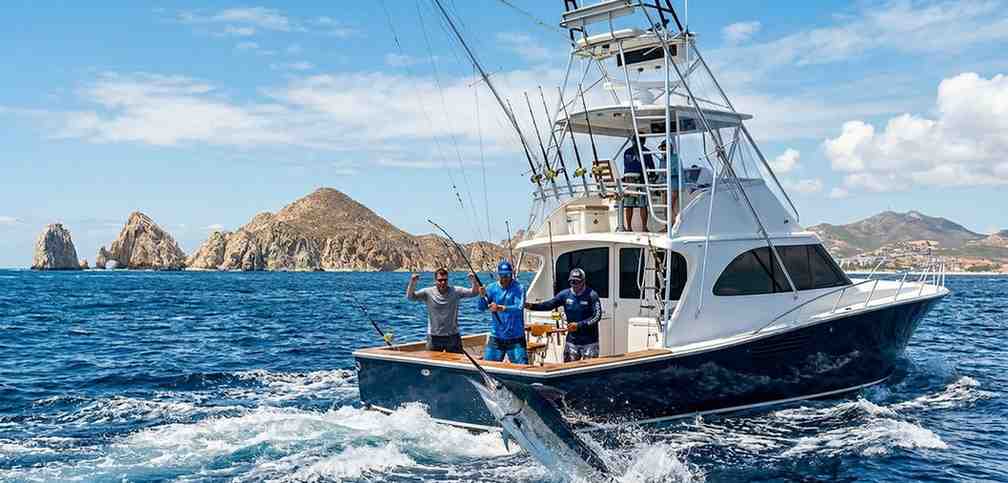
If you’ve been dreaming about hooking a striped marlin or a massive yellowfin tuna off the Pacific coast of Baja California, timing isn’t just a preference — it’s everything. Cabo fishing charters run year-round, but the fish don’t follow a calendar that caters to vacation schedules. Knowing when to go can mean the difference between a legendary day on the water and coming home with nothing but sunburn.
The waters around Cabo San Lucas sit at the tip of the Baja Peninsula, where the Pacific Ocean meets the Sea of Cortez. That unique geography creates one of the most productive fishing environments on the planet — and also one of the most seasonally dynamic. Water temperatures, ocean currents, and bait migrations shift through the year in ways that directly determine what’s biting, and when.
Before we break down the calendar, here’s something worth knowing: the charter operators who know these waters best will tell you there’s really no ‘bad’ month to fish Cabo — just different species and different expectations. The anglers who get the most out of every trip are the ones who book with that reality in mind.
Winter in Cabo is what most of the continental US would call ideal weather — warm, dry, and clear. Water temperatures hover in the mid-60s to low 70s Fahrenheit, which might feel cool by Cabo standards, but it’s prime territory for striped marlin. January through March is consistently one of the strongest periods for marlin fishing, with fish actively feeding closer to the surface.
Wahoo also run well during this stretch, particularly for anglers willing to troll at higher speeds in deeper offshore water. These fish are pure speed — they’ll hit a lure and burn off line in seconds. For serious trophy hunters, winter is the window.
As spring arrives, water temps climb and the variety of species available starts to expand. Dorado (mahi-mahi) begin making an appearance, blue marlin start showing up on the Pacific side, and yellowfin tuna become more consistent. This is also when the inshore fishing picks up for species like roosterfish and jack crevalle.
The shoulder season is actually a fantastic time to book if you want more flexibility and slightly less competition on the water. Charter availability tends to be better in April and May before the summer rush begins.
This is the period most serious anglers plan their entire year around. Warm water pushes into the 80s, the Sea of Cortez lights up with baitfish, and dorado seem to be everywhere. Schools of yellowfin tuna — sometimes massive ones — work the offshore banks. Blue marlin and black marlin both hit peak numbers during this window.
The tradeoff is hurricane season, which runs from July through October. Storms don’t cancel fishing every day, but it does mean anglers should book with charters that offer flexible rescheduling policies and watch the weather closely. Most experienced operators will simply reschedule rather than push out in unsafe conditions.
After summer’s crowds thin out, November and December offer some surprisingly strong fishing with fewer boats competing for the same spots. Striped marlin start returning, yellowfin tuna can still be found offshore, and the weather turns reliably pleasant. For families or groups who want a solid fishing experience without peak-season pricing, this window deserves serious consideration.
Once you know when you’re going, the next step is matching your target species to the right type of trip. A half-day inshore charter in April looks completely different from a full-day offshore run in August. Reputable deep sea fishing in Cabo operations will ask what you’re chasing before recommending a package — and if they don’t, that’s a sign to look elsewhere.
The best charters also go beyond just getting you to the fish. They provide all tackle, live or fresh-cut bait, fishing licenses, and experienced crews who know these waters intimately. Some offer fish cleaning and packaging services so you can bring your catch home.
Peak season (July–October) and the holiday windows (late December) book up weeks — sometimes months — in advance. If you have a specific trip in mind, don’t wait. Cabo San Lucas fishing charters fill up fast, especially for the larger, better-equipped vessels.
If your schedule has any flexibility, consider the shoulder months. You’ll often find comparable fishing, lower prices, and a more relaxed atmosphere on the water. Either way, plan with intention rather than impulse, and you’ll come back to Cabo year after year.
For authoritative seasonal fishing data and species migration patterns, the NOAA Fisheries Pacific Islands Regional Office publishes ongoing research on billfish and pelagic fish populations that can help serious anglers understand longer-term trends.
Q1. What is the best month for fishing in Cabo San Lucas?
The best month depends on the species you want to target. For dorado and yellowfin tuna, July through October is considered peak season, while striped marlin fishing is typically strongest from October to March.
Q2. Can you fish in Cabo San Lucas year-round?
Yes, fishing is available throughout the year in Cabo San Lucas. Different species peak during different seasons, making it possible to enjoy productive fishing trips regardless of when you visit.
Q3. What fish can I catch on a Cabo fishing charter?
Common catches include striped marlin, blue marlin, yellowfin tuna, dorado (mahi-mahi), wahoo, roosterfish, and jack crevalle. The species available will vary depending on the season and fishing location.
Q4. Is hurricane season a bad time to fish in Cabo?
Not necessarily. While hurricane season runs from July to October, many days still offer excellent fishing conditions. Reputable charter operators monitor weather closely and will reschedule trips if conditions become unsafe.
Q5. How far in advance should I book a Cabo fishing charter?
It is recommended to book several weeks or even months in advance during peak fishing season and holiday periods. Early booking gives you access to the best boats, experienced crews, and preferred fishing dates.

© 2025 Crivva - Hosted by Airy Hosting Managed Website Hosting.