

In today’s world of interior design, where sustainability meets sophistication, sisal carpets have emerged as a top choice for homeowners and designers alike. Known for their durability, earthy texture, and eco-friendly appeal, sisal carpets bring a natural elegance that synthetic materials often fail to replicate. Whether you’re designing a cozy living room, a modern office, or a luxury villa, sisal carpeting offers a timeless solution.
Sisal is a natural fiber derived from the leaves of the Agave plant, primarily grown in regions like Brazil, Africa, and parts of Asia. The fibers are extracted, dried, and woven into strong, durable threads that are then used to create carpets and rugs.
Unlike synthetic flooring materials, sisal carpets are biodegradable, renewable, and free from harmful chemicals, making them an excellent choice for eco-conscious consumers.
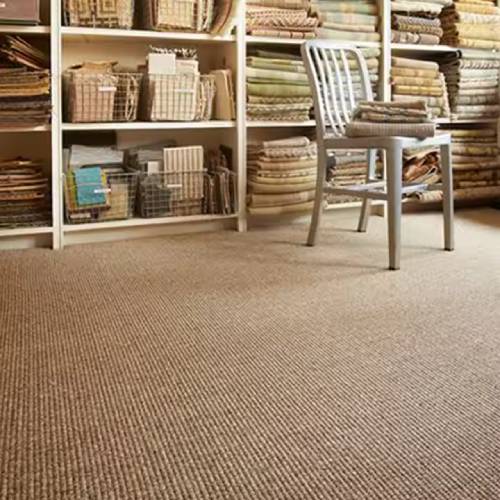
Sisal carpet is a natural fiber flooring material made from the long, sturdy fibers of the agave plant. These fibers are extracted, processed, and woven into carpets or rugs, resulting in a strong, textured surface that is both stylish and practical.
Unlike synthetic carpets made from petroleum-based materials, sisal is entirely plant-based, biodegradable, and environmentally friendly. Its neutral tones—ranging from creamy beige to sandy brown—make it a versatile option for modern and classic interiors alike.
Sisal comes from the agave plant, primarily grown in regions of Africa and South America. The production process involves several steps:
This process ensures that sisal retains its natural strength and texture, making it one of the most durable natural fibers available.
Sisal carpets have gained popularity due to the growing demand for sustainable and eco-conscious home solutions. Homeowners and designers prefer sisal for its:
As more people move toward green living, sisal has become a top alternative to synthetic flooring materials.
Sisal is one of the toughest natural fibers, making it ideal for high-traffic areas like hallways, stairs, and entryways. It resists wear and maintains its structure even under heavy use.
Sisal is renewable and biodegradable, requiring minimal chemicals and energy during production. This makes it a preferred choice for environmentally conscious homeowners.
The earthy tones and woven texture of sisal carpets add warmth and sophistication to any room. Whether your style is modern, rustic, or minimalist, sisal blends seamlessly.
Unlike synthetic carpets, sisal does not trap dust, pollen, or allergens easily, contributing to better indoor air quality.
Sisal carpets are easy to maintain with regular vacuuming. Dirt tends to sit on the surface rather than embedding deeply into the fibers.
Sisal naturally absorbs humidity, helping regulate indoor moisture levels and keeping rooms comfortable.
Sisal carpets come in various weave patterns, each offering a unique look and feel:
These different weaves allow homeowners to customize their flooring according to their design preferences.
Sisal carpets are best suited for dry, indoor spaces where durability and style are essential.
These areas benefit from sisal’s strength and resistance to heavy foot traffic.
Sisal is highly absorbent and does not perform well in moist environments. Avoid installing it in:
Exposure to moisture can cause damage, staining, or mold growth.
When compared to other natural fibers like jute or wool, sisal stands out for its strength:
Choosing between them depends on your priorities—comfort, durability, or sustainability.
Proper care is essential to maintain the beauty and longevity of sisal carpets:
Sisal’s natural fibers require careful handling, especially when dealing with stains or moisture.
Understanding these pros and cons helps you make an informed decision before installation.
Sisal carpets can enhance interior spaces in various creative ways:
Pair sisal with neutral furniture and clean lines for a modern look.
Combine sisal with wooden furniture and earthy tones for a cozy ambiance.
Use sisal as a base carpet and layer it with patterned rugs for added visual interest.
Sisal works well in offices, hotels, and showrooms due to its durability and professional appearance.
Installing sisal carpet requires expertise due to its stiffness and natural structure. Professionals often use specialized techniques such as double-stick installation with strong adhesives to ensure stability and longevity.
Proper installation is crucial to prevent shrinking, movement, or damage over time.
Sisal carpet is an excellent choice if you:
However, if you prioritize softness or stain resistance, you may want to consider alternatives.
As sustainability becomes a major focus in interior design, natural fiber carpets like sisal are expected to grow in demand. Innovations in blending natural fibers with modern technology may further improve their performance, making them even more versatile and user-friendly.
Sisal carpeting represents the perfect blend of nature, durability, and design. Its eco-friendly composition, timeless appeal, and strong performance make it a standout choice for modern homes and commercial spaces. While it does require mindful maintenance and isn’t suitable for wet areas, its benefits far outweigh its limitations for the right environment.

© 2025 Crivva - Hosted by Airy Hosting Managed Website Hosting.