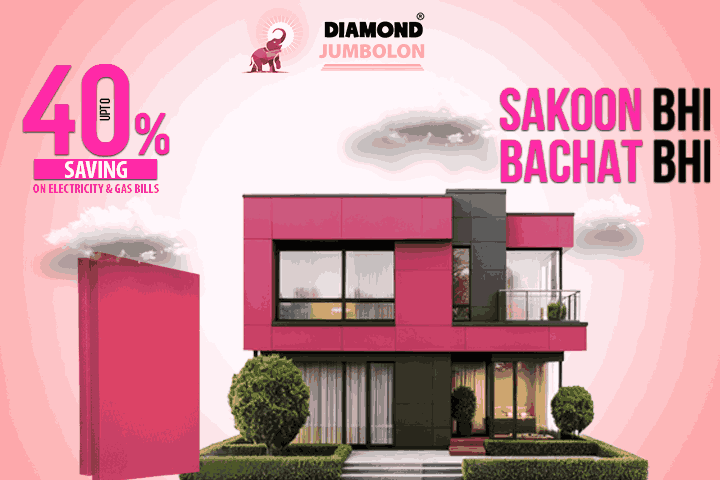
In modern construction, comfort is no longer judged only by interior design, furniture, or architectural style. Homeowners, builders, and commercial property owners now look closely at how efficiently a building performs throughout the year. This is where advanced insulation solutions from Diamond Jumbolon become highly relevant, especially for projects that require better temperature control, reduced energy loss, and long-term protection against harsh environmental conditions.
The Growing Need for Energy-Efficient Buildings
Energy efficiency has become one of the most important goals in construction. Rising electricity costs, extreme weather patterns, and increased demand for comfortable indoor environments have pushed builders to think beyond basic materials. A building that is not properly insulated often depends heavily on air conditioning, heating systems, and mechanical ventilation to maintain comfort.
This constant dependence increases monthly energy bills and puts unnecessary pressure on appliances. Over time, it can also reduce the life of cooling and heating systems. Proper insulation helps solve this problem at the source by slowing down heat transfer and supporting a more stable indoor temperature.
How Insulation Improves Indoor Comfort
A well-insulated building feels different. Rooms remain cooler during hot weather and warmer during colder months. Instead of experiencing sudden temperature changes, occupants enjoy a more balanced environment throughout the day.
This is particularly important in regions where heat exposure is high for long periods. Roofs, walls, floors, and utility areas can absorb and transfer heat quickly if they are not protected. Insulation acts as a barrier between the outdoor climate and indoor space, helping reduce heat flow and making the building more comfortable to live or work in.
Comfort is not only about temperature. Proper insulation can also help reduce moisture-related issues and improve the overall performance of the building envelope. When installed correctly, it contributes to a healthier and more efficient indoor environment.
Reducing Energy Waste Through Better Thermal Control
One of the biggest advantages of insulation is energy conservation. When heat enters or escapes too easily, cooling and heating systems must work harder. This leads to higher energy consumption and greater operating costs.
By reducing unwanted heat transfer, insulation helps maintain indoor conditions with less mechanical support. This means air conditioners and heaters can operate more efficiently. For residential properties, this can lead to noticeable savings over time. For commercial and industrial buildings, the impact can be even greater because larger spaces typically require more energy to maintain.
Energy-efficient buildings are also more attractive to buyers and tenants. People are increasingly aware of long-term utility costs, and insulation is one of the practical features that supports lower energy demand.
Protection Against Heat, Moisture, and Environmental Stress
Insulation is often viewed only as a comfort feature, but it also plays a protective role. Many parts of a building are exposed to heat, humidity, condensation, and outdoor temperature changes. Without proper protection, these conditions can affect structural materials, utility systems, and stored resources.
For example, pipes, tanks, roofs, and exterior surfaces may experience thermal stress when exposed to changing temperatures. Insulation helps reduce this stress by creating a more controlled surface environment. It can also help limit condensation, which is important because excess moisture can lead to damage, corrosion, mold growth, and reduced material lifespan.
In this way, insulation supports both performance and durability.
Applications Across Residential, Commercial, and Industrial Projects
Insulation is useful in many types of projects. In homes, it helps improve living comfort and reduces the load on cooling systems. In offices and retail spaces, it supports a more pleasant environment for employees and customers. In warehouses, factories, and industrial facilities, insulation can protect equipment, reduce temperature fluctuations, and improve operational efficiency.
It is also valuable for utility areas such as ductwork, pipelines, storage spaces, and water systems. These areas are sometimes overlooked during construction or renovation, but they can contribute significantly to energy loss if left unprotected.
The best insulation strategy depends on the building type, climate, usage, and exposure level. Choosing the right material and installation method is essential for achieving reliable performance.
Why Insulation Should Be Planned Early
Insulation should not be treated as an afterthought. It works best when included during the planning stage of construction or renovation. Architects, engineers, and builders should consider where heat transfer is most likely to occur and which areas need the strongest protection.
Planning early allows insulation to be integrated properly into roofs, walls, floors, pipes, and tanks. It also helps avoid costly changes later. Retrofitting insulation is possible, but it can be more complicated and expensive than installing it correctly from the beginning.
A smart insulation plan can improve building performance for many years, making it a long-term investment rather than a short-term expense.
Sustainability and Long-Term Value
Sustainable construction is no longer limited to using eco-friendly designs or renewable energy systems. It also includes reducing daily energy waste. Insulation supports this goal by helping buildings use less power for temperature control.
Lower energy use means reduced environmental impact and improved cost efficiency. For property owners, this creates a clear combination of comfort, savings, and responsibility. A well-insulated building is easier to maintain, more efficient to operate, and better prepared for seasonal climate changes.
Final Thoughts

© 2025 Crivva - Hosted by Airy Hosting Managed Website Hosting.