Artists and gallery owners often face a daunting challenge when they decide to scale their business through print sales. We frequently meet creators who feel hesitant to hand over their original masterpieces, fearing that a reproduction will lose the “soul” of the original work. A poor print does more than just look cheap; it actively damages your brand reputation and devalues your creative output. Choosing a Museum-Grade Art Reproduction service requires a deep understanding of the technical intersection between fine art and high-end technology.
We know that for a professional artist, a reproduction serves as a direct extension of their identity. When a collector purchases a limited edition print, they expect a level of quality that mimics the depth, texture, and vibrancy of the original piece. If the colors shift or the paper feels flimsy, the collector loses trust in the artist. Our goal is to guide you through the complexities of the reproduction process so you can make an informed decision for your business.
Finding the right partner involves looking beyond the price tag and examining the actual craftsmanship behind the scenes. We see many businesses settle for standard commercial printers, only to realize later that those machines cannot handle the subtle nuances of fine art. This guide outlines exactly what you should look for to ensure your prints meet museum standards and satisfy even the most discerning collectors.
In the world of fine art, “museum-grade” refers to a specific set of standards regarding longevity and visual fidelity. We define this through the use of archival materials and pigment-based inks that resist fading for over a hundred years. Most standard retail printers use dye-based inks, which begin to shift in color after just a few years under normal lighting conditions. For a professional artist, using dye-based inks is a risk that simply isn’t worth taking.
We emphasize the importance of the Giclée process, which uses high-resolution inkjet printers capable of spraying millions of droplets per second. This technology allows for a much wider color gamut than traditional CMYK printing. When we talk about “museum quality,” we refer to the ability to reproduce the specific “recipe” of colors that an artist painstakingly created on their canvas. If a service provider cannot explain their ink set or their archival ratings, they likely do not meet museum-grade standards.
Beyond the ink, the machinery itself matters immensely. We look for studios that utilize wide-format printers specifically designed for fine art, featuring multiple channels for black and grey inks. This setup ensures that monochromatic works or subtle shadows in a landscape remain neutral and deep, rather than shifting toward an unwanted green or purple hue. Understanding these technical nuances helps you separate a high-end studio from a basic copy shop.
The quality of a reproduction begins long before the printer starts its work. We consider the initial digital capture to be the most vital stage of the entire process. If the digital file lacks detail, no amount of sophisticated printing can fix the final result. You should look for a service that uses professional-grade overhead scanning or high-resolution digital photography in a controlled lighting environment.
Standard flatbed scanners often crush the artwork against glass, which can damage the texture of a thick oil painting or a delicate watercolor. We prefer non-contact capture methods that preserve the integrity of the original piece. Professional lighting setups eliminate glare and ensure that the digital sensor captures the true depth of the artist’s brushwork. This level of detail allows for large-scale enlargements without any loss of clarity or the introduction of digital noise.
Consistent color is the hallmark of a professional reproduction service. We maintain strict color management protocols to ensure that what we see on our calibrated monitors matches the final output on paper. This process involves creating custom ICC profiles for every unique combination of printer, ink, and paper. Without these profiles, a printer might interpret a “warm red” as a “bright orange,” leading to expensive reprints and wasted time.
When you vet a reproduction partner, ask them about their proofing process. We never recommend going straight to a full-sized print without first reviewing a small-scale proof. This step allows the artist and the technician to collaborate on fine-tuning the balance of light and color. A reputable service provider will welcome your feedback and make the necessary adjustments to achieve a perfect match with your original work.
The material you choose for your prints drastically affects the perceived value of the work. At Laguna Digital, we often advise clients to consider the texture and weight of the substrate as carefully as the image itself. Museum-grade papers are typically made from 100% cotton rag or alpha-cellulose, and they are completely acid-free and OBA-free (Optical Brightening Agents).
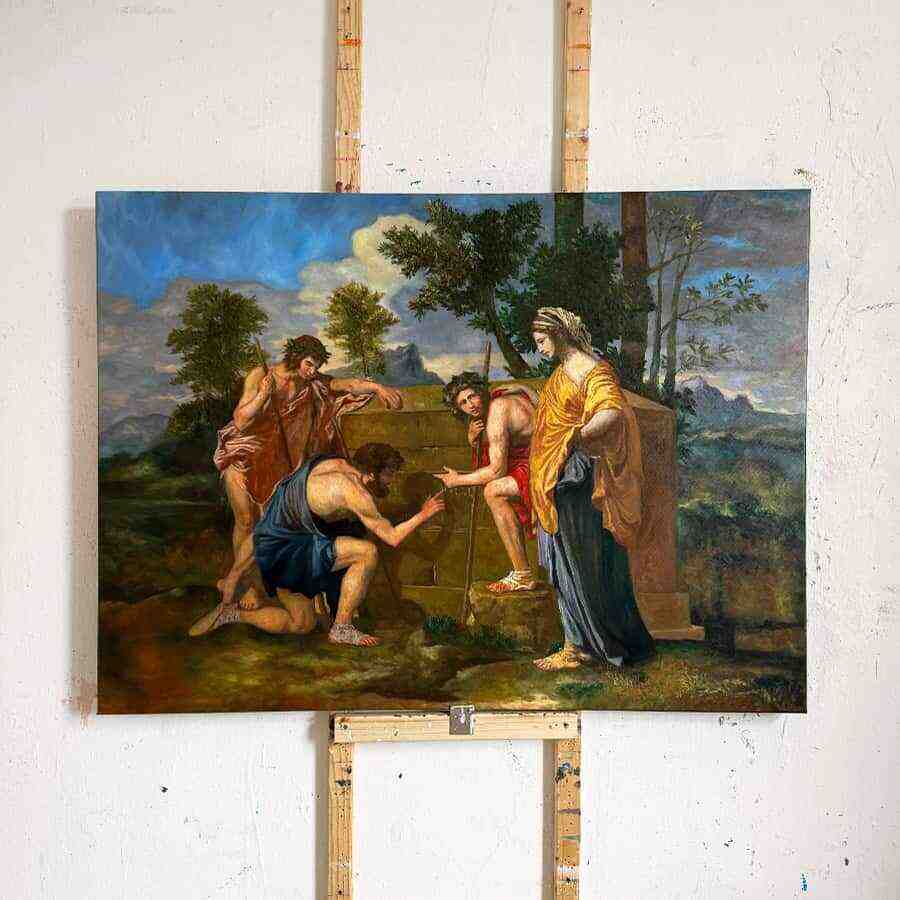
Choosing between canvas and paper depends largely on the original medium and the intended market. We find that canvas reproductions often appeal to collectors who want the look of an original painting without the price tag. However, canvas requires a protective UV coating to prevent the ink from cracking when the material is stretched over wooden bars.
Experience remains the most valuable asset in the art reproduction industry. We have seen many automated services enter the market, promising low prices and fast turnarounds through “AI-enhanced” workflows. While technology is a tool, it cannot replace the trained eye of a master printer. You need a partner who understands how light interacts with different pigments and how various papers absorb ink.
A professional service provider functions as a consultant, not just a vendor. We take the time to understand the artist’s vision and provide practical advice on how to achieve it. If a service provider seems more interested in high-volume turnover than in the fine details of your work, they likely won’t provide the level of care required for museum-grade results. Ask to see physical samples of their previous work to judge the quality for yourself.
Before committing to a long-term partnership, we suggest asking a few targeted questions. Inquire about their equipment: Do they use 12-color pigment ink systems? Ask about their scanning resolution: Can they provide files at 300 DPI at the original size? These questions demonstrate that you understand the quality requirements and help you filter out substandard providers.
One of the biggest mistakes we see business owners make is prioritizing the lowest cost per print. While it feels tempting to maximize profit margins, cheap prints often lead to higher costs in the long run. Between customer returns, negative reviews, and the need for frequent reprints due to poor quality control, the “cheap” option quickly becomes the most expensive one.
We also caution against services that do not offer personalized support. If you cannot speak directly to the person handling your artwork, you risk losing control over the creative process. Direct communication ensures that your specific needs—such as maintaining a certain level of detail in the shadows or achieving a specific skin tone—are clearly understood and executed.
If you plan to sell limited edition prints, the quality of each individual piece must remain consistent. We help artists manage their editions by ensuring that the 50th print looks exactly like the first. This consistency builds a secondary market for your work, as collectors know they can trust the quality of your brand. A museum-grade service provider understands the legal and ethical importance of maintaining these standards across an entire edition.
Choosing a museum-grade art reproduction service is an investment in your long-term success as an artist or gallery owner. We believe that your work deserves a partner who respects the effort you put into every brushstroke or shutter click. By focusing on high-resolution capture, archival materials, and professional color management, you ensure that your reproductions stand the test of time.
We encourage you to seek out a service provider who treats your art with the same passion that you do. When you find a partner who combines technical mastery with an appreciation for fine art, you can grow your business with confidence, knowing that every print you sell is a true reflection of your vision. Take the time to vet your options, ask the right questions, and never settle for anything less than excellence for your creative legacy.

© 2025 Crivva - Hosted by Airy Hosting Managed Website Hosting.