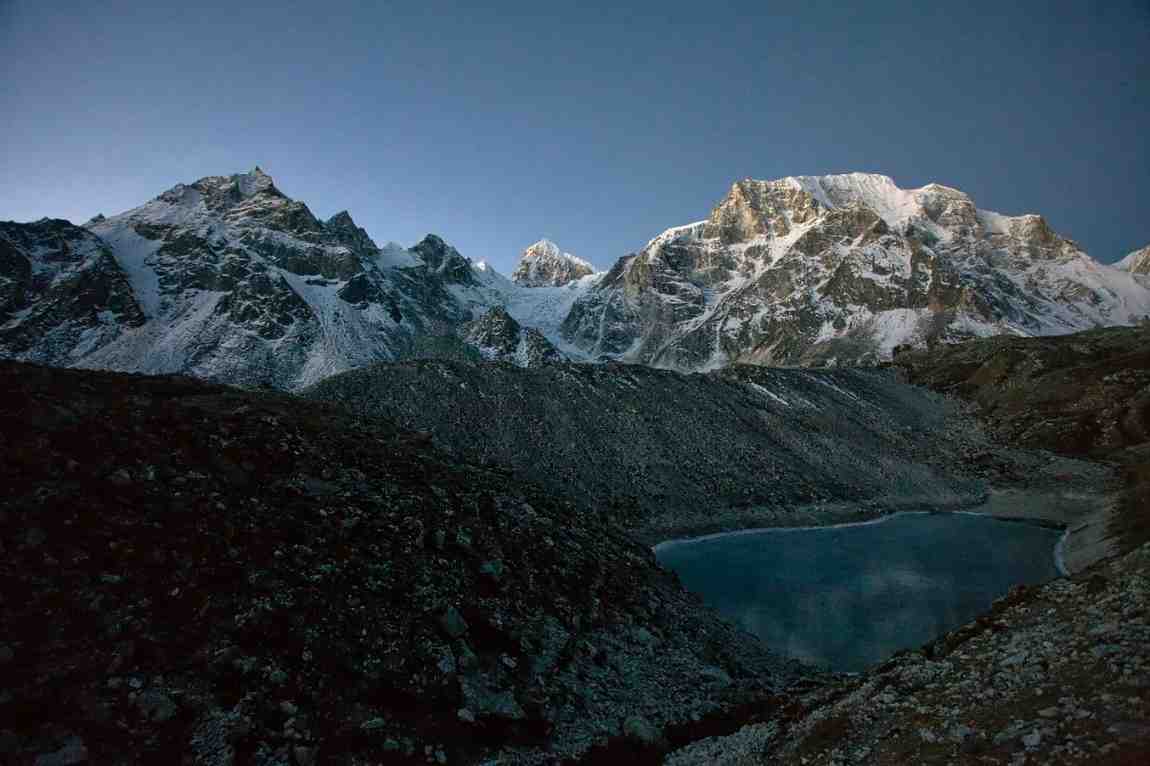
Have you ever dreamed of climbing so high that the clouds seem close enough to touch? That is exactly what the Manaslu Expedition feels like. It is a journey where every step takes you deeper into the wild heart of Nepal’s Himalayas. Many people call Manaslu the “Mountain of the Soul,” and once you start the adventure, you understand why. The mountain stands tall, quiet, and powerful, like a giant watching over everything below. From deep valleys to snowy peaks, this expedition is a mix of challenge, beauty, and discovery that stays with you forever.
Your journey begins long before you reach the snow. It starts in the warm, busy town of Soti Khola or Maccha Khola. The air is thick with the smell of food, the sound of rushing rivers, and the energy of people preparing for their adventures. Soon, you step onto the trail, and the world begins to change around you.
As you walk, the path winds through lush forests filled with tall trees and bright plants. Waterfalls crash down from cliffs. Bridges swing over powerful rivers. Everywhere you look, you see movement—birds flying, leaves dancing, and rivers running fast. The trail leads you past small villages where friendly people greet you with warm smiles and simple words. You begin to feel like this place has a story for every traveler.
The higher you go, the cooler the air becomes. The forests thin out. The buildings look more like stone huts than houses. The mountains rise like white giants in the distance. Soon, you reach a place where prayer flags flutter and mountain winds whistle all day long.
One of the most special parts of the Manaslu region is its rich culture. This area is close to Tibet, and many people here follow old Buddhist traditions. Their lives are simple, calm, and closely tied to nature. Along the trail, you pass villages like Samagaun and Samdo. These villages sit quietly under the tall mountains, almost as if they, too, are bowing before Manaslu.
Prayer wheels sit along the trails, waiting for trekkers to spin them. The soft sound of chanting floats from monasteries early in the morning. Bright prayer flags stretch from rooftops and rock piles, sending blessings into the wind. You see lines of yaks carrying goods, and you hear children laughing as they play in the open fields.
Walking through these villages teaches you something important: climbing is not only about the summit. It is about understanding the people who live here, who survive the cold winters, who smile even when times are hard, and who stay close to their traditions. Their strength inspires you as you move closer to the base of the great mountain.
Once you reach Samagaun, the mountains feel close—almost too close. Peaks tower above the village like guards watching over their land. This is where you begin preparing for the climb. You rest, drink warm tea, check your gear, and let your body adjust to the thin mountain air.
From here, you walk toward the Manaslu Base Camp, which sits around 4,800 meters. The trail becomes colder, rockier, and more open. The forest is gone. In its place is a world of ice, snow, and wind. Base Camp looks like a small city of colorful tents against a huge white background. Climbers move like dots across the snow, checking ropes, melting ice for water, and studying the weather each day.
This is where the real adventure begins.
Base Camp becomes your home for many days. You eat warm meals in a large tent. You sleep early. You wake up before sunrise to train. You practice walking on ice, using crampons, and climbing with ropes. You also do something called “acclimatization,” where you climb partway up the mountain, come back down, and let your body adapt. This helps you get ready for the serious climb ahead.
There is something peaceful about life here. The world feels simple. You focus on eating, sleeping, practicing, and breathing. You learn to respect the mountain and your own limits. Every step teaches you patience and trust.
From Base Camp, you begin your slow, steady climb through four main camps on Manaslu:
At around 5,700 meters, Camp I sits on a gentle snowy slope. Reaching it feels exciting because you are truly on the mountain now. The views open wide, and everything below you looks tiny.
This camp, around 6,400 meters, is reached by climbing steep ice walls and crevasses. It is colder here, and the winds can be strong. You move slowly and carefully.
Camp III sits at about 6,800 meters. The air is thin, and breathing becomes harder. The cold is sharp. But the view of the sunrise from here is something you never forget.
This final camp, near 7,400 meters, is your last stop before the summit. You spend a short time here, resting and preparing for the biggest moment of your journey.
Each camp teaches you something new about courage and patience. You learn to take small steps. You learn to breathe deeply. You learn that climbing a giant mountain is not about racing. It is about moving steadily forward.
On summit day, everything feels quiet. The stars shine brightly, and the world looks frozen in time. You begin climbing long before sunrise, using your headlamp to find your way. The cold stings your fingers and toes, but your heart feels warm with hope.
As you climb higher, the sky slowly turns from black to dark blue, then to soft pink. The sun wakes the mountains around you, painting them gold. You feel small, but also powerful.
Finally, after hours of climbing, you reach the summit of Manaslu at 8,163 meters. The world around you is endless. Snowy peaks stretch far into the distance. Clouds float below your feet. The wind whispers across the top of the mountain.
In that moment, everything feels still. You feel proud, calm, and full of life. You understand why people call it the “Mountain of the Soul.”
Here are some simple statistics to help you understand the scale of this adventure:
Average expedition length: 35–40 days
Total trekking distance: About 180 km
Base Camp elevation: Around 4,800 meters
Highest elevation (summit): 8,163 meters
Best seasons: Spring (March–May) and Autumn (September–November)
These numbers show how long and challenging the expedition is. But they also show how rewarding it can be.
The journey back feels different. The forests seem greener. The rivers feel louder. The villages look friendlier. You notice things you never saw before because now your heart is calmer and your mind is open.
The Manaslu Expedition is not only about reaching the summit. It is about learning who you are when the climb becomes hard. It is about trusting your feet on ice and snow. It is about meeting people who live close to the mountains and learning from their peaceful way of life.
By the time you finish the journey, you return with more than photos. You return with a story—a story of courage, beauty, challenges, and a mountain that touches the soul.

© 2025 Crivva - Hosted by Airy Hosting Managed Website Hosting.