

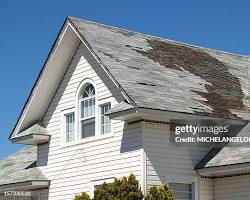
One of the most significant financial decisions a homeowner can face is whether to repair a leaking roof or invest in a total replacement. While the immediate price difference is substantial, the long-term math isn’t always as simple as choosing the lower estimate. Making the wrong choice can lead to a cycle of recurring costs or, conversely, a premature expenditure of thousands of dollars.
Here is the breakdown of how to evaluate the health of a roof through a financial and structural lens.
The age of the roofing material is the most accurate predictor of whether a repair is a sound investment or a “sunk cost.”
Asphalt Shingles: Typically last 20–25 years. If the roof is under 15 years old, localized repairs are usually the most cost-effective solution.
Metal or Tile: These materials can last 50 years or more. For these systems, repairing specific flashing or fasteners is almost always preferred over replacement unless structural damage is present.
The “Rule of 20”: Once an asphalt roof passes the 20-year mark, the shingles become brittle. Attempting to repair one section often causes the surrounding aged shingles to crack or lose granules, creating a “domino effect” of new leaks.
A common industry standard for determining the “tipping point” is the 30% Rule.
The Math: If the cost of necessary repairs exceeds 30% of the total cost of a full replacement, or if more than 30% of the roof surface is exhibiting signs of failure (such as widespread curling or balding shingles), replacement is statistically the better long-term value.
When weighing the options, consider the “cost per year” rather than the lump sum.
| Factor | Minor Repair | Major Overhaul | Full Replacement |
| Average Cost Range | $350 – $1,200 | $1,500 – $4,000 | $8,000 – $20,000+ |
| Added Lifespan | 1–3 years | 5–8 years | 20–30 years |
| Financial Impact | Preserves cash flow | Delays the inevitable | Increases home equity |
The type of roof you have significantly alters the financial math of a repair. Not all “patches” are created equal.
Architectural Shingles: These are layered and thick. Replacing a few is relatively simple and blends well. However, if the “sealant strip” has failed across a large area, the labor cost to hand-seal individual shingles quickly approaches the cost of a full tear-off.
Wood Shakes: Wood requires airflow. If you have widespread moss or rot, a “patch” often traps moisture against the new wood, leading to rapid decay. Replacing wood shakes is often a “whole or nothing” financial decision.
Flat Roofs (TPO/EPDM): These are common on modern extensions. Because these involve heat-welded seams, a patch is often highly effective. However, if the underlying insulation board is saturated with water, you are effectively “patching over a sponge,” which will lead to interior ceiling collapse regardless of the new membrane.
When seeking estimates, you will likely receive varying advice. Understanding the “why” behind a quote helps you filter the information.
The “Patch Specialist”: Some contractors specialize in small repairs. They have lower overhead and can get you another 3 years of life for $500. This is great for short-term liquidity but doesn’t solve systemic aging.
The Full-Replacement Firm: Larger companies may refuse to do small repairs because they cannot offer a meaningful warranty on a 20-year-old roof. They aren’t necessarily “upselling” you; they are protecting themselves from liability if a different part of your old roof leaks a month later.
The Middle Ground: Look for a contractor who provides a “Condition Report.” This should include photos of the flashing, the decking, and the shingles. If they can’t show you why a replacement is needed, stick to a repair.
Homeowners often choose a patch to save money today, but three hidden factors can make this the more expensive route over time:
Collateral Damage: A roof that needs replacement but only receives a patch is prone to “slow leaks.” These can lead to attic mold, saturated insulation, and rotted rafters. The cost of mold remediation often dwarfs the cost of the roof itself.
Energy Inefficiency: Older roofs lack modern reflective technology. An aging roof can increase attic temperatures significantly, forcing HVAC systems to work harder and increasing monthly utility bills by 10% to 15%.
Curb Appeal and Resale: A “patchwork” roof with non-matching shingles is a red flag for home inspectors and potential buyers. If a sale is in the near future, a replacement often yields a high Return on Investment (ROI) by preventing aggressive price negotiations.
In 2026, the technology available for roof assessment has changed the financial landscape.
Drone Inspections: Before committing to a $15,000 replacement, ensure the contractor uses high-resolution drone imagery. This can identify if damage is truly widespread or limited to one specific “slope” or “facet.” If only the southern-facing slope is damaged by UV rays, you may be able to replace just that half, saving 50% on costs.
The Insurance Gambit: If your roof was damaged by hail or wind, your homeowner’s insurance might pay for a full replacement minus your deductible. However, insurance companies differentiate between “Actual Cash Value” (ACV) and “Replacement Cost Value” (RCV). If your policy is ACV, they will depreciate the payout based on the age of the roof. If the roof is 20 years old, you might only receive a fraction of the cost, making a repair more attractive if you lack the gap funding.
If you are staring at a water spot on your ceiling, use this checklist to decide your next move:
Check the Attic: Is the wood damp in just one spot (Repair) or is the entire underside of the plywood dark and stained (Replace)?
Count the Layers: If your home already has two layers of shingles (a common past practice to save money), code requirements usually dictate that you cannot add a third or do a major patch. You must tear it down to the deck (Replace).
Analyze the “Square”: Roofing is measured in 10×10 foot areas called “squares.” If your roof requires more than two squares of repair, the labor and material logistics usually make a full replacement more logical.
Evaluate Your Timeline: Do you plan to live in the house for more than 5 years? If yes, the “cost per year” of a new roof is lower than the “cost per year” of multiple repairs.
Choosing between a repair and a replacement requires balancing your current budget with the roof’s remaining “serviceable life.” If a roof is structurally sound and young, a repair is a smart maintenance move. However, if the roof is nearing the end of its lifespan, every dollar spent on a repair is a dollar that could have been invested in a new, warrantied system that protects the home’s total value.
Ultimately, a roof is not just a collection of shingles; it is an integrated system of ventilation, insulation, and moisture barriers. When that system fails globally, a patch is merely a temporary postponement of the inevitable. Evaluate your roof’s age, the extent of the damage, and your long-term housing goals to ensure your investment goes toward a permanent solution rather than a temporary fix.

© 2025 Crivva - Hosted by Airy Hosting Managed Website Hosting.