

Road and bridge construction projects in Latin America often face complex challenges, including difficult terrain, changing weather conditions, logistics limitations, and strict project schedules. For contractors, selecting reliable equipment and establishing effective management strategies are essential to controlling costs and avoiding unexpected delays.
A properly planned hot mix asphalt plant can significantly improve project stability by ensuring consistent asphalt quality, reducing transportation risks, and supporting continuous paving operations. However, equipment selection alone is not enough. Contractors must also consider installation, maintenance, operator training, and local working conditions to reduce potential construction risks.
Asphalt paving projects across Latin America vary greatly depending on location, infrastructure requirements, and available resources. From mountain highways in Peru and Chile to large-scale transportation projects in Mexico and Colombia, contractors must overcome different operational challenges.
One of the most common risks in road construction is inconsistent asphalt quality. Variations in aggregate moisture, improper mixing temperatures, or inaccurate material proportions can affect pavement durability and increase future maintenance costs.
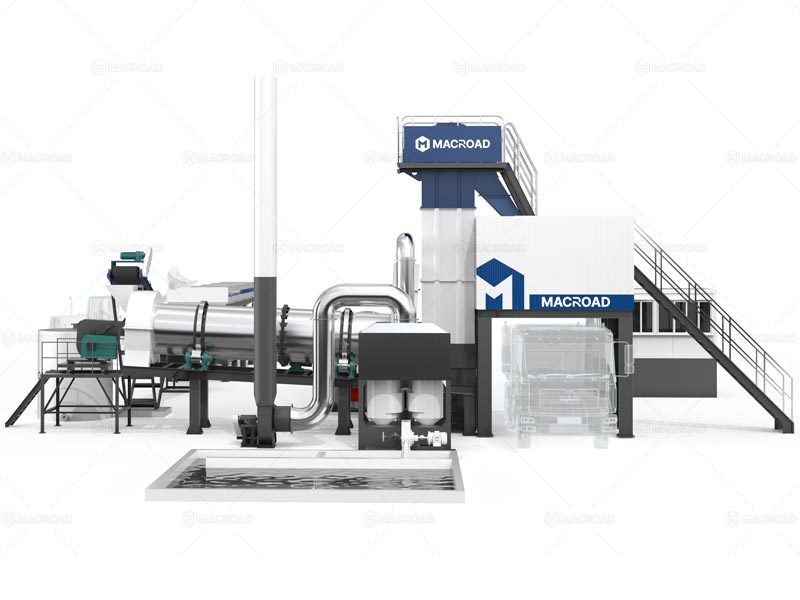
Using an advanced hot mix asphalt plant(planta de asfalto en caliente) helps contractors maintain accurate temperature control, precise weighing, and stable production performance. Modern systems allow operators to monitor aggregate, asphalt, and filler ratios more effectively, reducing quality fluctuations during long paving operations.
Contractors should also evaluate whether the selected asphalt equipment matches the project requirements. A plant with insufficient capacity may create paving delays, while an oversized system may increase investment pressure and operational costs.
Many Latin American construction sites are located far from urban areas. Remote locations can create difficulties related to equipment transportation, spare parts supply, and fuel availability.
To reduce these risks, project managers should analyze local conditions before equipment installation. Important considerations include:
For smaller infrastructure projects, a mini asphalt plant can provide a flexible solution because it requires less installation space and can be moved between different job sites. This flexibility is valuable for contractors working on municipal roads, rural highways, and short-term paving projects.
Selecting suitable asphalt equipment is one of the most important decisions for reducing construction risks. Different projects require different production capacities, mobility options, and operating features.
Before investing in an asphalt plant, contractors should carefully review:
For large highway projects, stationary asphalt plants may provide higher production efficiency and stable operation. For contractors managing multiple short-term projects, mobile solutions can reduce relocation costs and improve equipment utilization.
A mini asphalt plant(mini planta asfáltica) is often suitable for smaller projects where flexibility and lower initial investment are priorities. However, contractors should ensure that the selected model can still meet required asphalt quality standards and production targets.
Operating costs are a major concern in Latin American construction markets. Fuel consumption, maintenance requirements, and downtime can directly influence project profitability.
Modern asphalt plants are designed with improved heating systems, automatic controls, and optimized production processes. These features help reduce fuel waste and improve operational consistency.
When selecting a hot mix asphalt plant, contractors should consider not only the purchase price but also the total cost of ownership. A lower initial investment may lead to higher expenses if the equipment has frequent failures, inefficient fuel usage, or limited technical support.
Even high-quality asphalt equipment can experience performance issues if installation is not properly managed. A detailed commissioning plan helps avoid early operational problems.
Before installation begins, construction teams should complete necessary preparation work, including:
Early preparation reduces installation delays and allows the asphalt plant to begin production according to the project schedule.
Operator experience has a direct impact on equipment performance and asphalt quality. Poor operation practices can increase fuel consumption, reduce production efficiency, and cause unnecessary equipment wear.
Training programs should cover:
Well-trained operators can identify potential issues earlier and prevent small problems from becoming major construction delays.
Maintenance planning is another key method for reducing risks in asphalt construction projects. Unexpected equipment failures can stop paving operations and increase labor and transportation expenses.
Regular inspection schedules should include:
Preventive maintenance improves equipment reliability and extends service life. Contractors should also keep essential spare parts available, especially for components that experience frequent wear during continuous production.
A dependable supplier provides more than equipment delivery. Technical assistance, spare parts availability, and remote support are important factors for long-term project success.
For Latin American contractors, suppliers familiar with regional construction conditions can provide better guidance on equipment configuration, installation methods, and operation management.
A supplier that offers multilingual communication and timely technical response can help reduce downtime when problems occur during critical paving stages.
Digital management tools are becoming increasingly important in modern road construction. Smart monitoring systems allow contractors to track equipment operation, production data, and maintenance conditions in real time.
For asphalt projects, digital systems can help:
These technologies are especially valuable for projects in remote Latin American regions where immediate technical support may not always be available.
Reducing construction risks requires a complete approach that combines proper equipment selection, professional installation, skilled operation, and continuous maintenance. Asphalt contractors should evaluate every stage of the project lifecycle instead of focusing only on equipment purchase costs.
A reliable hot mix asphalt plant can become the foundation of efficient paving operations when it is correctly matched with project requirements. Meanwhile, flexible equipment options such as a mini asphalt plant allow contractors to respond to changing project demands with lower operational risks.
For road and bridge construction companies in Latin America, investing in reliable asphalt production solutions and effective management practices can improve project performance, control expenses, and create stronger competitiveness in an increasingly demanding infrastructure market.

© 2025 Crivva - Hosted by Airy Hosting Managed Website Hosting.