


Begin With a Clear Baseline
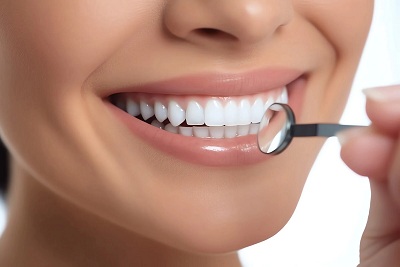
Sustained oral health starts with an organized assessment. Review caries history, gum status, bite function, saliva flow, medications, sleep patterns and habits like tobacco, alcohol and mouth breathing. Capture photos, periodontal charting and digital radiographs to set measurable starting points. With risks defined, you can set recall intervals, sequence treatment logically and focus on actions that change outcomes.
Daily Cleaning That Works
Two thorough brushings and one interdental clean form the core routine. Angle bristles toward the gumline and use short, overlapping strokes along every surface, including the tongue. Replace brushes on a schedule so bristles stay effective. Technique beats gadgets; a consistent two minutes twice daily limits plaque and keeps inflammation low. Trust our dental specialist in Campbelltown for comprehensive care! Book your appointment today!
Interdental Strategy
Teeth fail most often between contacts. Interdental brushes sized to spaces clean predictably; floss helps where embrasures are tight. Threaders assist under bridges and wires, while water irrigators can support, not replace, mechanical cleaning. Match tools to dexterity and time of day. Evening interdental care gives chemotherapeutics more contact time.
Fluoride and Remineralization
Enamel responds to chemistry and time. Use fluoride toothpaste morning and night; spit, do not rinse, to leave a reservoir on surfaces. For elevated risk, discuss high-strength pastes or periodic varnish. Pair with calcium-phosphate products when indicated. The aim is to remineralize early lesions, protect restoration margins and delay or avoid operative care.
Diet, Drink and Timing
Frequency outruns volume in driving demineralization. Cluster snacks with meals, limit sipping of sweet or acidic drinks and finish with water or dairy to neutralize acids. Use a straw when possible and avoid brushing for thirty minutes after acids to prevent abrasion of softened enamel. Chew xylitol gum after meals if recommended.
Gum Health First
Gums and bone anchor every result. Routine scaling and polishing manage plaque and calculus, while site-specific antimicrobials assist stubborn bleeding points. When pockets persist, non-surgical periodontal therapy comes first; surgical access is reserved for defined defects or anatomical limitations. Stable tissues reduce sensitivity, improve comfort and protect restorative work.
Caries Management by Risk
Caries is not a single event. Classify risk by history, biofilm, diet, saliva and socioeconomic factors. For low risk, emphasize maintenance. For moderate to high risk, elevate fluoride concentration, add sealants, coach on snack timing and schedule shorter recalls. Use selective caries removal and immediate coronal sealing to preserve structure.
Sensitivity and Comfort
Dentin exposure from recession, erosion or microleakage often causes sharp responses to cold. Desensitizing pastes, gentle technique and evaluation of existing margins help. If pain lingers, wakes you at night or reacts strongly to heat, request diagnosis to rule out cracks or pulpal involvement. Early care prevents larger procedures and disruptions.
Manage Bite Forces and Wear
Clenching, grinding and athletic impact stress enamel and restorations. Ask for a bite evaluation if you notice jaw fatigue, morning headaches or edge chipping. Guards for night use, minor occlusal adjustments and habit coaching reduce fracture risk. Rinse with water after acidic drinks before brushing to protect softened enamel.
Alignment and Function
Crowding traps plaque and complicates cleaning. Thoughtful alignment can create cleansable embrasures, distribute forces and reduce chipping risk. Short-term alignment for hygiene access may be appropriate when full correction is unnecessary. Any movement should be planned with periodontal status, root anatomy and long-term retention in mind.
Aging and Systemic Links
Dry mouth from medications or systemic conditions increases decay risk and ulceration. Sip water, stimulate saliva with sugar-free lozenges and use night humidification if helpful. Bleeding gums may mirror glycemic control, while reflux and sleep apnea influence erosion and bruxism. Coordinated care with medical providers improves stability and comfort.
Professional Maintenance That Matters
Recall visits should repeat the same measurements each time: plaque and bleeding scores, pocket depths, mobility, caries risk and restoration integrity. Shorten intervals when scores worsen; extend when stability holds. Apply topical fluoride, repair small defects and polish margins to reduce biofilm retention. Maintenance prevents surprises. Photographs document wear changes and soft-tissue tone.
Emergencies: Act Early
Do not wait on swelling, fever or pain that interrupts sleep. Seek diagnosis promptly to rule out abscess, fracture or pulpal disease. Temporary measures rarely solve the underlying problem. Early intervention shortens treatment, lowers cost and improves the chance of keeping the tooth viable.
Rebuilding Damaged Teeth
When operative care is required, use conservative preparations, adhesive techniques and materials chosen for cleansability and wear. Place margins where brushes and interdental tools can reach. For deep lesions or after endodontic care, immediate coronal sealing reduces microleakage. Cuspal coverage on high-risk molars limits fracture and retreatment.
Confidence and Appearance
A healthy mouth looks natural when tissues are calm and surfaces are clean. If whitening is desired, address sensitivity first, time exposures carefully and protect the gumline. Correct staining at its source-tobacco, tea, coffee or mouth breathing-and maintain with gentle polishing at recalls. Prioritize health before aesthetics.
Children and Teens
Habits form early. Parents can guide brushing twice daily, supervise fluoride use and limit bedtime snacks or drinks beyond water. Sealants on molars reduce pit and fissure decay. For teens with sports exposure, fitted mouthguards cut trauma risk. Early alignment guidance can prevent later wear and recession.
Pregnancy and Oral Care
Hormonal changes often heighten gingival responses. Emphasize gentle daily cleaning, professional scaling as needed and nutrition that supports both parent and child. Treat urgent infections without delay. Fluoride toothpaste remains appropriate; coordinate any prescriptions with prenatal providers.
Building a Personal Plan
No two mouths share the same risks. Combine baseline findings, daily routines, diet patterns and bite forces into a simple written plan. Keep it visible at home so the steps become automatic. Review at each recall, celebrate improvements and adjust when life or health changes alter risk.
Keep Score and Adjust
Simple measurement drives progress. Track the same metrics every visit and compare against the baseline: plaque, bleeding, pockets, mobility, caries risk and restoration status. If numbers slip, shorten intervals, add topical fluoride, refine technique and revisit diet timing. Small course corrections protect long-term results.
About Bio.
Ansley has 12 years of experience in the dental world. You can find his thoughts at cosmetic dental blog.

© 2025 Crivva - Hosted by Airy Hosting Managed Website Hosting.