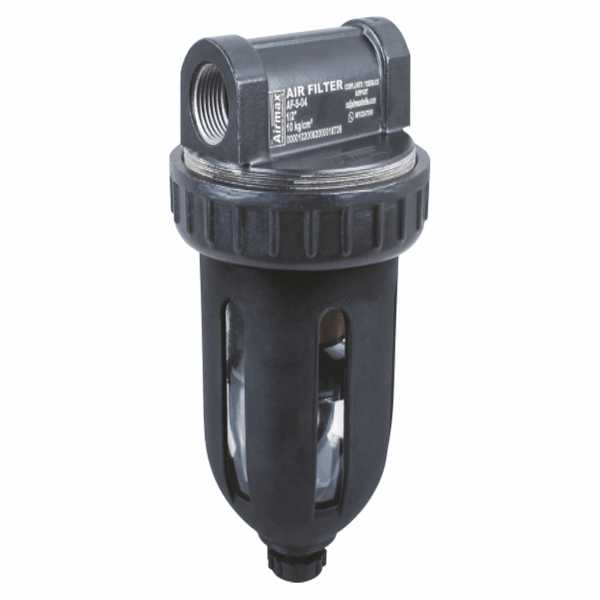
Pneumatic Filter: Features, Benefits, and Industrial Applications Explained
In industrial automation and pneumatic systems, maintaining clean and contaminant-free compressed air is essential for smooth and efficient operations. Even small particles of dust, oil, or moisture can damage equipment, reduce performance, and increase maintenance costs. This is where pneumatic filters play a critical role. These filters are designed to remove impurities from compressed air, ensuring that machinery operates reliably and efficiently.
As industries continue to rely on automation, the importance of clean air systems has grown significantly, making pneumatic filters an essential component in modern setups.
What is a Pneumatic Filter?
A pneumatic filter is a device used to remove contaminants such as dust, dirt, moisture, and oil from compressed air systems. It is typically installed at the beginning of a pneumatic circuit to ensure that only clean air reaches the equipment.
These filters are commonly used in combination with other components like regulators and lubricators to create a complete air preparation system.
Working Principle
The operation of a pneumatic filter is based on mechanical separation:
- Compressed air enters the filter unit
- Larger particles are separated using centrifugal force
- Smaller particles are trapped by filter elements
- Moisture is collected and drained out
- Clean air exits the filter
This process ensures that the air supplied to pneumatic devices is free from harmful contaminants.
Types of Pneumatic Filters
Pneumatic filters are available in different types depending on the level of filtration required:
Particulate Filters
These filters remove solid particles such as dust, rust, and debris from compressed air.
Coalescing Filters
Designed to remove fine oil particles and moisture, ensuring high-quality air output.
Activated Carbon Filters
Used to eliminate odors and oil vapors, especially in sensitive applications.
High-Efficiency Filters
Provide ultra-clean air for precision equipment and critical processes.
Each type is selected based on the specific needs of the application.
Key Features
High Filtration Efficiency
Removes contaminants effectively, ensuring clean air supply.
Durable Construction
Built to withstand harsh industrial environments.
Compact Design
Easy to install in various pneumatic systems.
Automatic Drain System
Efficiently removes accumulated moisture.
Easy Maintenance
Filter elements can be replaced or cleaned with ease.
Benefits of Pneumatic Filters
Improved Equipment Life
Clean air reduces wear and tear on machinery.
Enhanced Performance
Ensures smooth and reliable operation.
Reduced Maintenance Costs
Minimizes breakdowns and repair expenses.
Better Air Quality
Provides contaminant-free compressed air.
Energy Efficiency
Optimizes system performance and reduces energy consumption.
Industrial Applications
Manufacturing Industry
Used in automated production lines and machinery.
Automotive Industry
Supports pneumatic tools and robotic systems.
Packaging Industry
Ensures efficient and continuous operations.
Food Processing
Maintains hygienic air quality for safe production.
Textile Industry
Used in air-driven processes and equipment.
Importance in Pneumatic Systems
Pneumatic filters are essential for maintaining the efficiency and reliability of compressed air systems. Without proper filtration, contaminants can accumulate and cause damage to equipment, leading to downtime and increased operational costs.
Companies like Airmax Pneumatics Ltd contribute to the industry by supporting the availability of high-quality pneumatic components that ensure reliable system performance.
Maintenance of Pneumatic Filters
Regular maintenance is crucial for optimal performance:
- Replace or clean filter elements periodically
- Drain collected moisture regularly
- Check for pressure drops
- Inspect seals and connections
Proper maintenance extends the life of both the filter and the equipment.
Factors to Consider When Choosing a Pneumatic Filter
Filtration Level
Choose based on the size and type of contaminants.
Flow Capacity
Ensure the filter can handle required air flow.
Pressure Rating
Select a filter compatible with system pressure.
Environment
Consider temperature and working conditions.
Maintenance Needs
Choose filters that are easy to service.
Common Mistakes to Avoid
Using incorrect filter type for the application.
Ignoring regular maintenance schedules.
Installing filters improperly.
Choosing low-quality filter components.
Role in Energy Efficiency
Pneumatic filters contribute significantly to energy efficiency. Clean air flows more easily through the system, reducing pressure loss and energy consumption.
Contaminated air can block pathways and force systems to work harder, increasing energy usage. Proper filtration ensures smooth operation and lower costs.
Future Trends
The future of pneumatic filters includes advanced filtration materials, smart monitoring systems, and integration with IoT technology. These innovations allow real-time tracking of filter performance and air quality.
Industries are also focusing on eco-friendly and energy-efficient solutions to reduce environmental impact.
Advanced Filtration Technology in Pneumatic Systems
With the advancement of industrial automation, pneumatic filtration technology has also evolved significantly. Modern pneumatic filters are now designed with multi-stage filtration systems that can remove even microscopic contaminants from compressed air. These advanced filters improve air purity levels, making them suitable for highly sensitive applications such as pharmaceuticals, electronics manufacturing, and food processing.
In addition, new filter materials are being developed to enhance durability and efficiency. These materials allow better airflow while maintaining high filtration performance, reducing pressure drop and energy consumption.
Importance of Proper Installation
Proper installation of pneumatic filters is just as important as selecting the right filter. Incorrect installation can reduce filtration efficiency and lead to system failure. Filters should always be installed in the correct direction of airflow and positioned at appropriate locations within the pneumatic system.
It is also important to ensure that there is enough space for maintenance and drainage. A well-installed filter not only improves performance but also extends the overall lifespan of the system.
Contribution to System Reliability
Pneumatic filters play a crucial role in improving system reliability. Clean air ensures that valves, actuators, and other pneumatic components function smoothly without interruptions. This reduces downtime and increases productivity.
Reliable filtration also minimizes unexpected breakdowns, allowing industries to maintain consistent operations and meet production targets efficiently.
Additional Insight
Pneumatic filters also contribute to overall system stability by maintaining consistent air quality under varying operating conditions. They help reduce fluctuations in pressure and prevent contamination-related issues. This ensures smoother operation of pneumatic equipment, improves reliability, and supports long-term performance in demanding industrial environments.
Conclusion
Pneumatic filters are a vital component in modern industrial systems, ensuring clean and efficient compressed air supply. Their ability to remove contaminants, improve performance, and extend equipment life makes them indispensable in various applications.
By selecting the right filter and maintaining it properly, industries can achieve higher efficiency, lower maintenance costs, and improved operational reliability.