

Australia’s outback is often painted as a place of rugged landscapes, red earth, and endless skies. Yet beyond the clichés lies a thriving creative world shaped by isolation, cultural heritage, and deep connections to land. Outback art galleries play a crucial role in bringing these voices forward, often introducing the world to artists who live hundreds of kilometres from the nearest town. These remote creators carry stories that might otherwise remain unseen—stories of resilience, Country, community, and identity.
This spotlight explores how outback art galleries celebrate regional Australian talent and why they are becoming essential cultural destinations for travellers, collectors, and art lovers.
The outback has long inspired artists. Its dramatic colours, shifting seasons, spiritual significance, and wildlife offer a wellspring of visual and emotional material. From the ochre-toned deserts of the Northern Territory to the sweeping plains of Queensland’s west, the landscape itself becomes a collaborator in artmaking.
For many regional artists, creativity is not a hobby—it is a form of storytelling. Art captures childhood memories, ancestral traditions, and daily life in remote communities. It can reflect environmental changes, highlight local histories, or express personal journeys.
Outback art galleries provide a dedicated space where these stories can be honoured, curated, and shared. They offer visibility to creators who might otherwise struggle to reach wider audiences due to geographic isolation.
One of the most significant contributions of outback galleries is their support for Indigenous artists. Many galleries work directly with regional art centres, ensuring artists receive fair pay and ethical representation. This partnership allows First Nations creatives to maintain control over their work and cultural narratives.
These galleries often showcase:
Traditional dot painting and symbol-based storytelling
Contemporary works that blend old and new techniques
Carvings, weaving, tools, and cultural objects
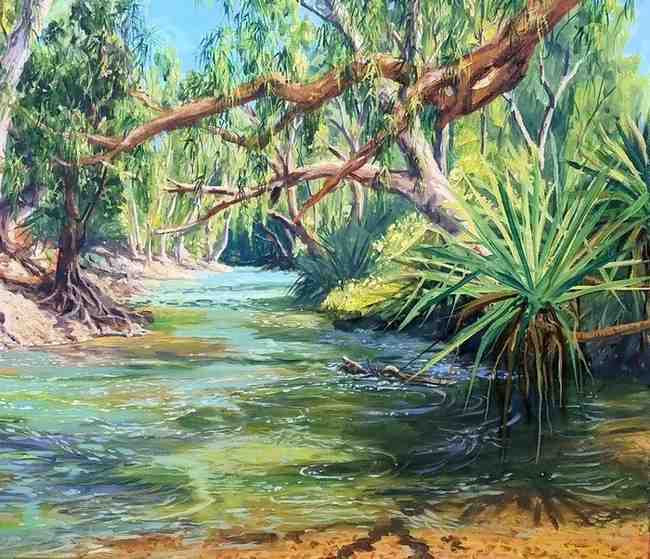
Landscapes painted with deep spiritual connection to Country
The result is an environment where cultural heritage is both protected and celebrated. For non-Indigenous regional artists, galleries also provide a platform to express rural life, environmental awareness, and personal perspectives shaped by remote living.
Outback art galleries aren’t just exhibition spaces—they are community hubs. Many host workshops, artist residencies, school programs, and cultural festivals. This helps nurture emerging talent and encourages locals to engage with art in meaningful ways.
By supporting regional artists, galleries contribute to:
Local employment and creative opportunities
Tourism that strengthens small-town economies
Cross-cultural learning and respect
A sense of pride and identity for isolated communities
Travellers often report that discovering unexpected art spaces—sometimes in tiny towns—becomes a highlight of their journey. These surprises enrich the cultural fabric of the outback and help redefine the region’s identity beyond mining or agriculture.
Every artwork displayed in an outback gallery captures a distinct moment in time. It may reflect a storm season, a land regeneration project, a flooding river, or a traditional ceremony. It may honour elders or document a town’s history.
These stories matter. They create a living archive of the outback’s evolving identity.
Unlike urban galleries that often focus on artistic trends, outback galleries prioritise storytelling. They offer raw authenticity and unfiltered perspectives. Collectors are increasingly drawn to this honesty, which is why regional Australian art continues to gain national and international attention.
In recent years, outback art gallery have begun appearing more frequently at major exhibitions, art fairs, and online marketplaces. Digital platforms have allowed remote creators to reach global audiences, while many galleries now partner with museums and curators across Australia.
Some regional artists are becoming household names, and their works are sought after by collectors around the world. Yet the charm of their creativity remains rooted in small communities, local traditions, and the outback itself.
Outback art galleries are at the heart of this movement. They act as bridges—connecting remote talent to appreciative audiences without compromising authenticity.
For travellers, stepping into an outback gallery is not just about viewing art; it’s an experience shaped by place, people, and culture. Visitors can expect:
Genuine interaction with local artists
A deeper understanding of regional and Indigenous stories
Unique artworks unavailable in major cities
A sense of immersion in the landscape reflected on the walls
These galleries are destinations in their own right—quiet sanctuaries of creativity amid vast open spaces.
The future of outback art galleries is bright. As more Australians and international visitors seek cultural experiences that feel meaningful and grounded, regional art becomes even more valuable. With increased tourism, digital exposure, and community support, remote artists will continue shaping the future of Australian art.
Outback art galleries will remain vital guardians of creativity, ensuring regional voices are not just heard but celebrated.
What is an outback art gallery?
A gallery located in remote or regional Australia showcasing local and Indigenous artwork.
Why are outback art galleries important?
They support remote artists, preserve cultural stories, and strengthen regional communities.
What type of art can I find in an outback gallery?
You’ll find Indigenous art, landscapes, contemporary works, carvings, textiles, and mixed media.
Are outback artists gaining global attention?
Yes, many regional and Indigenous artists are now featured in major exhibitions worldwide.
Can visitors meet the artists?
Some galleries allow meet-the-artist days, workshops, or community events.
Is the artwork authentic and ethically sourced?
Reputable outback galleries work directly with artists and art centres to ensure ethical practices.
Are children welcome in outback galleries?
Most outback galleries are family-friendly and offer educational activities.
Can I buy original art from these galleries?
Yes, most galleries sell original works, prints, and cultural pieces.
Do outback galleries help Indigenous communities?
They provide fair income, cultural protection, and long-term creative support.
How can I find outback art galleries to visit?
Most regional tourism sites, maps, and online directories list local galleries along major travel routes.

© 2025 Crivva - Hosted by Airy Hosting Managed Website Hosting.