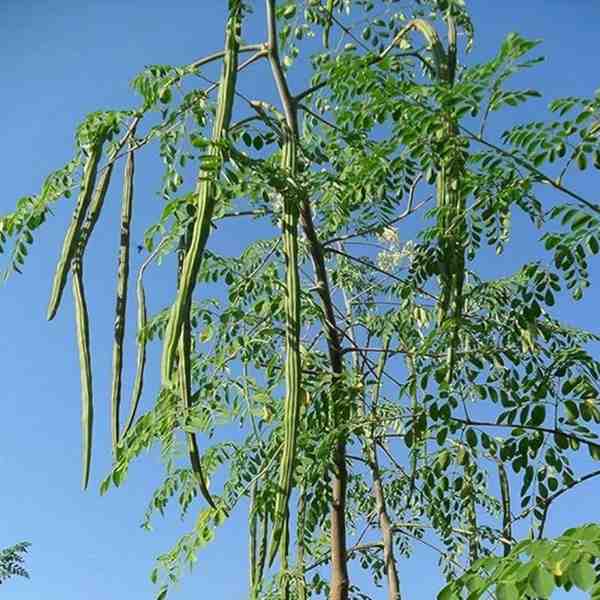
Moringa trees are often called miracle trees, and for good reason. Its leaves, pods, and seeds are packed with nutrients, making it one of the most valuable plants for health-conscious gardeners. Beyond its nutritional benefits, the moringa tree is fast-growing, easy to maintain, and perfect for both small gardens and larger outdoor spaces.
Whether you are a beginner gardener or an experienced plant enthusiast, this guide will help you understand the moringa plant’s growth stages, how to maintain it effectively, and how to maximise its benefits. If you are looking to buy a moringa plant or a moringa tree for sale, this article will also guide you on what to consider before purchasing.
The moringa tree (Moringa oleifera) is native to India and Africa but thrives in tropical and subtropical climates worldwide. It prefers full sunlight and well-draining soil. A mature moringa plant can reach 10–15 feet in its first year, making it one of the fastest-growing outdoor plants available.
Moringa is not only a plant nursery favourite for home gardens but also a popular choice in online gardening store catalogues for its resilience and multiple uses.
Understanding the different growth stages of the moringa tree is key to nurturing it successfully.
Starting from moringa seeds is the most common method for home gardeners.
How to Plant Seeds
Germination Time
As long as the soil is moist and warm, seeds typically sprout within 7–14 days.
If you prefer a faster start, you can buy moringa saplings from a trusted online gardening store.
During this stage, seedlings develop their first leaves.
Care Tips
This is when the moringa tree experiences rapid growth.
Growth Expectations
Maintenance Tips
Proper care during this stage ensures a strong, bushy tree, perfect for harvesting leaves and pods.
Moringa trees start flowering after 6–8 months.
Key Points
After pollination, long green pods, also called drumsticks, begin to grow.
Harvesting Tips
Whether you grow from seeds or buy a moringa plant, understanding these stages ensures a healthy yield.
Proper maintenance guarantees healthy growth and a productive moringa plant.
Overwatering is one of the most common mistakes gardeners make, so monitor soil moisture carefully.
Pruning is vital to maintaining a strong and productive moringa tree.
Benefits of Pruning
Prune after 2–3 months of growth and continue regularly for best results.
While hardy, moringa can face some issues:
The moringa tree is a powerhouse of nutrition.
Nutritional Value
Medicinal Uses
Culinary Uses
Avoiding these mistakes ensures a healthy, productive moringa tree.
The moringa tree is a valuable addition to any garden. Its fast growth, low maintenance, and high nutritional benefits make it perfect for beginners and experienced gardeners alike.
You can start your journey by planting moringa seeds or by visiting a Best gardening store online or a plant nursery near me to buy a moringa plant. With proper care and attention to growth stages, you can enjoy fresh leaves, pods, and seeds year-round.
A moringa tree grows very fast and can reach 10–15 feet within its first year. It usually starts flowering in 6–8 months and produces pods within 8–12 months.
Yes, moringa can be grown in large containers. Make sure the pot has good drainage and place it in full sunlight for healthy growth.
Young moringa plants need watering 2–3 times per week. Mature trees are drought-tolerant and only need water when the soil feels dry.
Well-draining sandy or loamy soil is ideal. Keep heavy clay soil away from roots to prevent root rot.
Leaves can be harvested within 2–3 months of growth. Pods are usually ready 8–12 months after planting, once they are tender and green.
Yes, moringa requires at least 6–8 hours of direct sunlight daily for proper growth and flowering.
You can order strong and well-grown moringa seeds or plants from Pixies Gardens, a reliable U.S.-based online nursery that delivers premium quality plants safely throughout the USA.

© 2025 Crivva - Hosted by Airy Hosting Managed Website Hosting.