Technology has become the driving force behind modern business operations. Organizations of all sizes depend on reliable networks, secure communication systems, and advanced security solutions to maintain productivity and protect valuable assets. Whether it is managing daily operations, securing sensitive information, or ensuring uninterrupted connectivity, businesses need a comprehensive technology strategy to remain competitive in today’s digital environment.
Managed IT services, access control systems, surveillance technology, and network infrastructure each play a vital role in supporting business growth and operational efficiency. When combined, these solutions create a secure, connected, and scalable environment that helps organizations reduce risks, improve productivity, and prepare for future technological advancements.
Understanding how these systems work together can help business owners make informed decisions when investing in technology and security solutions.
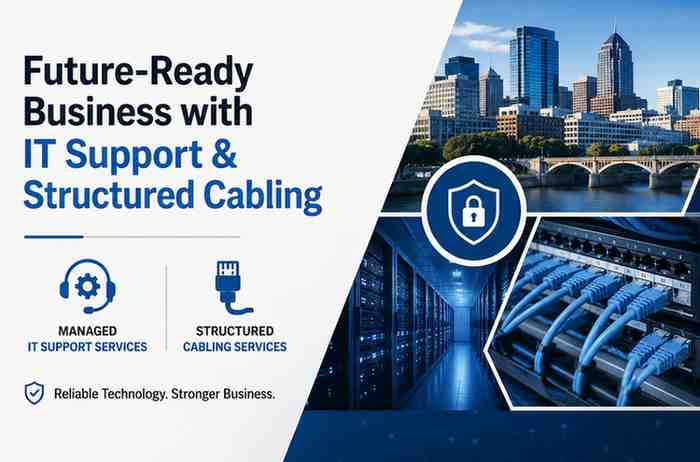
Managed IT services involve outsourcing technology management and support to experienced professionals who monitor, maintain, and optimize business IT environments. Instead of waiting for technology problems to occur, managed service providers take a proactive approach to ensure systems remain secure and operational.
Managed IT services are designed to reduce downtime, improve performance, and provide businesses with access to technical expertise without the cost of maintaining a large in-house IT department.
Continuous monitoring helps identify potential issues before they disrupt operations. IT professionals can detect unusual activity, performance bottlenecks, and system failures in real time.
Employees receive technical assistance whenever they encounter software, hardware, or connectivity issues. This improves productivity and minimizes workflow interruptions.
Managed IT providers implement security measures such as firewalls, antivirus protection, endpoint security, and threat detection systems to protect business data.
Cloud platforms allow businesses to access applications and data from virtually anywhere. Managed IT services help organizations manage cloud environments securely and efficiently.
Regular backups and disaster recovery planning ensure business continuity in the event of hardware failure, cyberattacks, or natural disasters.
Businesses that invest in managed IT services often experience:
As technology becomes increasingly complex, managed IT services help organizations remain focused on growth while experts handle technology management.
Access control systems regulate who can enter specific areas within a building or facility. Traditional keys are increasingly being replaced by modern solutions that offer greater security, flexibility, and accountability.
Access control technology helps businesses protect employees, assets, and sensitive information by controlling access to restricted areas.
Employees use access cards to unlock doors and gain entry to authorized areas.
Users can access facilities using smartphones and digital credentials.
Fingerprint, facial recognition, and iris scanning technologies provide enhanced security and eliminate the need for physical credentials.
Administrators can manage permissions and monitor activity remotely through cloud platforms.
Access permissions help prevent unauthorized entry and protect sensitive areas.
Administrators can monitor who entered specific areas and when access occurred.
Cloud-based systems allow managers to control access from any location.
Controlled access reduces security risks and creates a safer workplace environment.
Lost keys are no longer a concern, as credentials can be updated or revoked electronically.
Access control systems have become an essential component of modern physical security strategies.
Video surveillance systems help businesses monitor activity, deter criminal behavior, and investigate incidents. Security cameras provide valuable visibility into operations and improve overall security.
Modern surveillance technology offers far more capabilities than traditional camera systems, including high-definition video, cloud storage, remote viewing, and advanced analytics.
Cameras capture and record activity in key locations throughout a facility.
Network video recorders (NVRs) and digital video recorders (DVRs) store footage for future review.
Centralized software platforms allow users to manage cameras and view live feeds.
Business owners and security personnel can monitor facilities remotely using mobile devices.
Visible security cameras discourage theft, vandalism, and unauthorized activity.
Recorded footage provides evidence for investigations and insurance claims.
Monitoring helps identify safety concerns and supports workplace security.
Managers can view live video feeds from virtually anywhere.
Surveillance systems provide insight into facility operations and customer interactions.
Modern surveillance systems may include:
Businesses increasingly rely on intelligent surveillance solutions to strengthen security and improve situational awareness.
Network infrastructure consists of the hardware and software components that enable communication between devices, systems, and users. Every modern business depends on reliable connectivity for operations, collaboration, and customer service.
A strong network infrastructure supports everything from internet access and cloud applications to security systems and communication platforms.
Structured cabling provides an organized framework for data transmission throughout a facility.
Switches connect devices and facilitate communication within the network.
Wi-Fi access points provide wireless connectivity for employees and guests.
Routers manage internet traffic and connect local networks to external resources.
Fiber optic technology delivers high-speed data transmission and supports increasing bandwidth demands.
Employees can access applications and communicate without interruptions.
High-performance networks improve productivity and efficiency.
Organizations can expand their networks as technology requirements grow.
Reliable infrastructure minimizes connectivity issues and disruptions.
Cloud applications, remote work environments, surveillance systems, and access control solutions all depend on strong network performance.
A well-designed network infrastructure serves as the foundation for every technology system within an organization.
Technology solutions deliver the greatest value when they work together. Managed IT services, access control systems, surveillance technology, and network infrastructure are most effective when integrated into a unified strategy.
For example, access control systems can trigger surveillance cameras when doors are opened. Managed IT services ensure security systems remain operational and protected from cyber threats. Network infrastructure provides the connectivity required for communication between all devices and platforms.
Integration offers several advantages:
Organizations that implement integrated technology environments gain greater control over their operations while reducing complexity.
The future of business technology continues to evolve rapidly. Emerging technologies such as artificial intelligence, cloud computing, Internet of Things (IoT) devices, and smart building systems are transforming how organizations operate.
Businesses that invest in scalable technology solutions today will be better prepared to adapt to future requirements.
Future-ready organizations focus on:
These investments help businesses remain competitive while protecting critical assets and information.
Managed IT servicesaccess control systems, surveillance technology, and network infrastructure each play a critical role in supporting modern business operations. Together, they create a secure, connected, and efficient environment that improves productivity, strengthens security, and supports long-term growth.
As technology continues to evolve, businesses must adopt integrated solutions that provide both physical and digital protection. Organizations that invest in comprehensive technology and security strategies will be better positioned to meet future challenges, protect valuable assets, and achieve sustainable success in an increasingly connected world.

© 2025 Crivva - Hosted by Airy Hosting Managed Website Hosting.