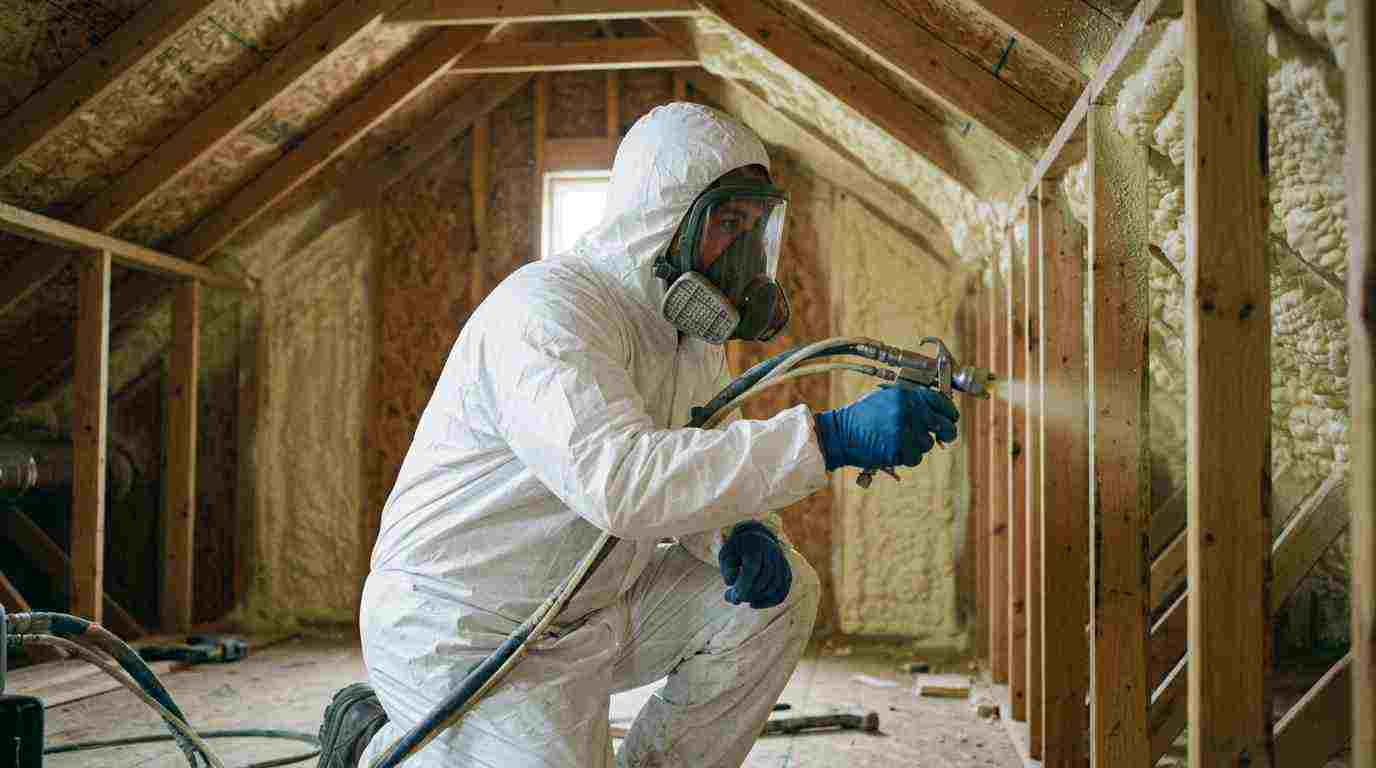
Affordable insulation solutions involve choosing materials that provide high thermal resistance and long-term energy savings while fitting your initial budget. For most residential and commercial buildings, options like spray foam, fiberglass, and cellulose offer different balances of cost and performance to help you maintain stable indoor temperatures.
This guide outlines how you can identify the most cost-effective insulation strategies for your specific property. By understanding material properties and application methods, you can make an informed choice that reduces utility bills and improves building comfort.
Building science experts have found that properly insulated structures can see energy bill reductions of 15% to 20%. This data highlights why selecting the right material matters for your long-term financial goals and structural health.

Selecting a solution requires looking at your building’s current state and your local climate. You must evaluate the R-value, which measures a material’s ability to resist heat flow, to ensure it meets local building codes.
Bonus Tip: Focus on sealing air leaks around windows and doors before installing new insulation. Even the best materials lose efficiency if air moves freely through the building envelope.
Different buildings require different approaches to thermal management. For example, commercial warehouses often benefit from different materials than a small residential basement.
Spray foam insulation service is a top-tier choice because it acts as both an insulator and an air sealer. It expands to fill gaps that other materials might miss, making it ideal for odd-shaped spaces or metal buildings.
This is a common choice for DIY projects or budget-conscious builds. It works well in standard stud bays but requires careful installation to avoid gaps that allow heat transfer.
Made mostly from recycled paper, this is an eco-friendly and affordable option. It is often blown into attics or existing wall cavities to provide a dense layer of protection.
While slightly more expensive than fiberglass, mineral wool offers superior fire resistance and sound dampening. It is a preferred choice for commercial spaces where safety and noise control are priorities.

You should look beyond the price tag to understand the true value of an insulation project. Many factors influence how a material performs over the decades your building will stand.
Some materials absorb water, which leads to mold or reduced efficiency. Closed-cell foam stays effective even in damp environments like basements and crawlspaces.
Certain types of spray foam can actually add strength to your roof or walls by bonding the structure together. This is a significant advantage in areas prone to high winds.
While some blankets are easy to lay down, others require specialized equipment and trained professionals to ensure safety and effectiveness. Professional installation ensures the material performs as rated.
Commercial buildings with high foot traffic or heavy machinery have different thermal needs than a quiet residential home. Noise reduction often becomes a priority in these settings.
Bonus Tip: Ask your installer about “flash and batt” techniques. This involves using a thin layer of spray foam for air sealing combined with cheaper fiberglass for bulk R-value, helping you save money while keeping high performance.
In regions like Raleigh and the surrounding areas, humidity and heat are significant factors that require specialized insulation strategies. You need materials that handle moisture well and prevent “hot roof” syndromes during the intense summer months.
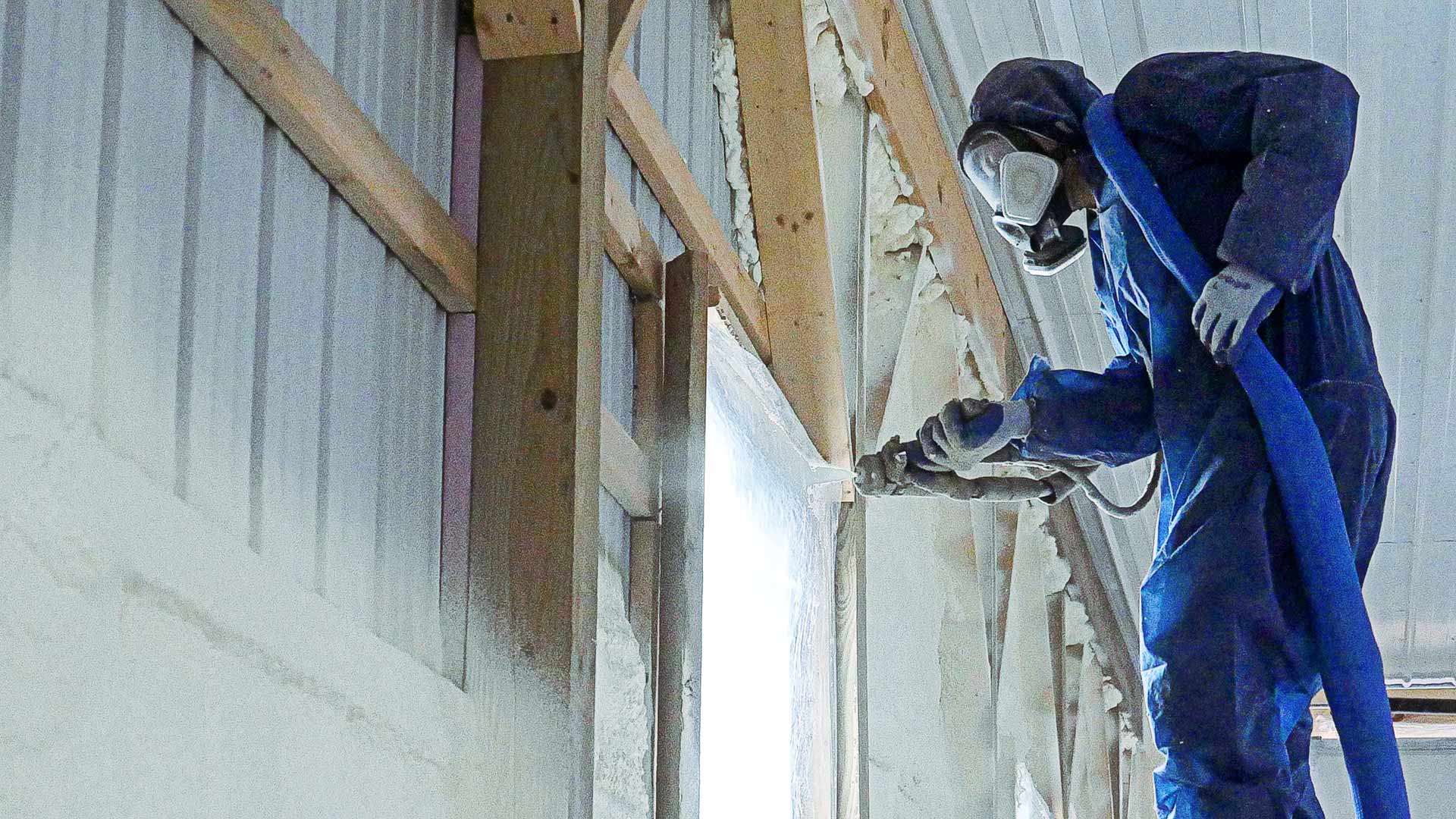
Investing in better materials often pays for itself faster than you might expect. High-performance insulation reduces the workload on your HVAC system, which can extend the life of your furnace and air conditioner.
Market data indicates that homes with modern energy-efficient features often sell faster and for higher prices than those with outdated insulation. For business owners, this translates to lower overhead and better profit margins over time.
If you want to ensure your building remains comfortable and efficient for years to come, working with a specialist is the smartest path forward. Raleigh Excel Spray Foam Insulation provides expert guidance on choosing between open-cell and closed-cell options for both homes and businesses. You can reach them at (919) 301-9435 or via email at [email protected] to discuss your project. They offer comprehensive services, including roof, wall, and floor insulation tailored to your specific budget. Contact them today for a free quote to see how their professional spray foam applications can lower your energy costs.
Achieving an energy-efficient building does not have to be an overwhelming expense. By prioritizing air sealing and selecting materials like spray foam or cellulose based on your specific building type, you can secure a more comfortable environment. You should evaluate your R-value needs, consider the local climate, and weigh the long-term savings against the initial cost. Before starting, take the time to inspect your current insulation and consult with a professional to determine where your building is losing the most energy.
Most property owners see a reduction in heating and cooling costs ranging from 15% to 20% after upgrading to professional-grade materials and sealing air leaks.
Spray foam is often superior for older structures because it expands into irregular gaps and cracks that are common in aging buildings, providing a more complete thermal seal.
While the materials are often similar, commercial projects usually require higher fire ratings and must cover much larger open spaces like warehouses or flat roofs.
While small kits exist for minor patches, whole-building installation requires specialized high-pressure equipment and safety gear to ensure the chemical reaction cures correctly.
Open-cell foam is softer and more affordable, making it great for interior walls and soundproofing. Closed-cell foam is dense, waterproof, and provides a much higher R-value per inch.

© 2025 Crivva - Hosted by Airy Hosting Managed Website Hosting.