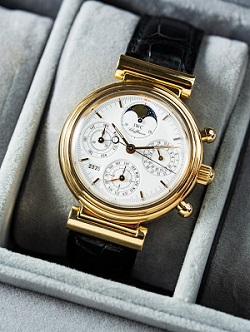
Owning an IWC chronograph watch feels different from owning most watches. There is weight to it. Literal weight, yes, but also emotional weight. You don’t just glance at the time. You notice the pushers. The smooth sweep of the seconds hand. The quiet confidence ticking away on your wrist.
IWC chronograph watches are not casual machines. They are complex, layered, and precise. And they need care. Real care. Not panic-level fussing, but consistent attention over time. Because long-term performance does not happen by accident.
Let’s talk about how to keep IWC chronograph timepieces running the way they were meant to. Smooth. Accurate. Reliable. Years from now.
If you have ever watched a chronograph reset, really watched it, you know what I mean. The hands snap back to zero in perfect alignment. No hesitation. No wobble. It is satisfying in a quiet, nerdy way.
Inside an IWC Swiss chronograph, there are hundreds of tiny components working together. Gears stacked on gears. Levers engaging and disengaging. Springs under constant tension. The chronograph module alone adds layers of complexity compared to a standard time-only watch.
An IWC luxury chronograph watch is designed to measure elapsed time while keeping regular time accurate. That sounds simple. It is not. When you start, stop, and reset the chronograph, you are activating multiple systems simultaneously. Over time, friction builds. Oils dry. Parts wear. It is natural.
This complexity is why servicing matters. And why skipping it for too long can quietly shorten the life of your watch.
Here is where many owners hesitate. Five years? Seven? Ten? I’ve heard all of it. Maybe you have too.
For most IWC chronograph watches, a full service every five to seven years is the safe zone. Not because something will explode at year six, but because lubricants degrade slowly. Seals lose elasticity. Microscopic wear adds up.
If your IWC men’s chronograph watch sees daily wear, five years is smart. If it rotates with other watches and lives a calmer life, seven years can be reasonable.
Waiting longer than that? It becomes a gamble. The watch may still run, sure. But internal wear can turn a routine service into a more expensive repair. That is the part people regret later.
Servicing is preventative care. Not a punishment.
This part is simple. Almost boring. But it matters more than most people think.
First, avoid using the chronograph pushers underwater unless your specific model explicitly allows it. Water resistance protects the case, not careless habits.
Second, do not run the chronograph continuously unless you truly need it. Yes, many modern IWC chronograph timepieces can handle it. But constant engagement increases wear over years. Think of it like idling a car all day. Possible, but not ideal.
Third, wipe the watch down occasionally. Late afternoon, soft cloth, quick pass over the case and bracelet. Skin oils and dust build up. You can feel it if you pay attention.
Fourth, magnetism is sneaky. Phones, laptops, and tablet covers. Keep some distance when possible. A magnetized balance can ruin accuracy fast.
And finally, store the watch properly. Flat. Stable. Not tossed into a drawer with keys and loose change. That one always hurts to see.
This is where opinions get loud. And personal.
Authorized IWC service centers follow factory procedures. They use genuine parts. They test to IWC standards. The watch comes back feeling almost new. Crisp. Tight. Reassuring.
Independent watchmakers can be excellent too. Some are absolute masters. Especially those experienced with high-end Swiss chronographs. They may offer shorter turnaround times or more flexibility.
So which is better?
If your watch is under warranty, authorized service is the clear choice. No debate. If the watch is vintage, rare, or emotionally significant, factory service often preserves long-term value.
That said, a trusted independent with deep experience in IWC Swiss chronograph movements can be a solid option. The key word is trusted. Ask questions. Look at their work. Pay attention to how they talk about the watch.
If they rush you, walk away.
Sometimes the watch tells you. Quietly at first.
The chronograph seconds hand stutters when starting. The reset does not align perfectly at zero. The power reserve feels shorter than it used to. Accuracy drifts more than usual.
Maybe the pushers feel stiff. Or worse, spongy. That is never a good sign.
Condensation under the crystal is an emergency. Do not wait. Ever.
And then there is the gut feeling. You glance at the watch and think, Something feels off. That counts. Owners who know their IWC chronograph watches usually sense trouble before it becomes obvious.
Trust that instinct.
Here is the honest part.
A well-serviced IWC luxury chronograph watch does not just keep time better. It feels better. The winding is smoother. The pushers respond cleanly. The watch feels alive again.
There is also pride in knowing you are doing right by something built with care. These watches are not disposable. They are meant to last decades. Generations, even.
Skipping service saves money short-term. But it costs more in the long run. Financially, yes. Emotionally too.
Because watching a great watch fail slowly is not fun. At all.
Owning IWC chronograph timepieces is a long relationship. Not a fling. They reward patience. Respect. Consistency.
Service them on time. Use them thoughtfully. Pay attention to small changes. Do those things, and your IWC men’s chronograph watch will keep performing beautifully long after trends fade and batteries die.
It is worth it. Truly.
FAQs
Q1. How often should I service my IWC chronograph watch?
Most IWC chronograph watches should be serviced every five to seven years, depending on wear and usage. Regular servicing prevents long-term damage and maintains accuracy.
Q2. Can I wear my IWC chronograph every day?
Yes. IWC Swiss chronograph watches are built for daily wear. Just avoid unnecessary chronograph use and protect the watch from water, magnets, and hard impacts.
Q3. Is authorized IWC servicing better than independent repair?
Authorized service centers offer factory standards and genuine parts. Independent watchmakers can also be excellent if they have proven experience with IWC chronograph timepieces. Choose carefully.

© 2025 Crivva - Hosted by Airy Hosting Managed Website Hosting.