


Today’s culinary landscape is filled with incredible innovations. From sharing new recipes on community platforms like Crivva to investing in smart gadgets, modern cooking has evolved dramatically. However, caring for classic essentials remains just as foundational to a functional cooking space. High-quality wooden cutting boards, spoons, and butcher blocks are timeless additions to any kitchen. Unlike plastic alternatives that you can simply toss into the dishwasher, wooden tools require a specific natural maintenance routine. When cared for correctly, they can last for generations, making them a truly sustainable choice for your home.
Establishing a proper cleaning routine is vital for food safety and longevity. Many people worry about cross-contamination when using timber products, but solid wood is highly resilient when treated correctly. According to USDA cutting board safety guidelines, consumers can safely use solid wood surfaces for preparing food as long as they wash the board thoroughly with hot, soapy water immediately after each use. This immediate action prevents harmful bacteria from settling into the grain.
Never leave wooden spoons or boards soaking in the sink. Prolonged exposure to standing water makes the wood fibres swell, warp, and eventually split apart. After a thorough wash with dish soap, it is essential to air-dry the items in an upright position. Standing them vertically ensures that moisture does not get trapped underneath the surface, which could lead to mould growth or further structural damage.
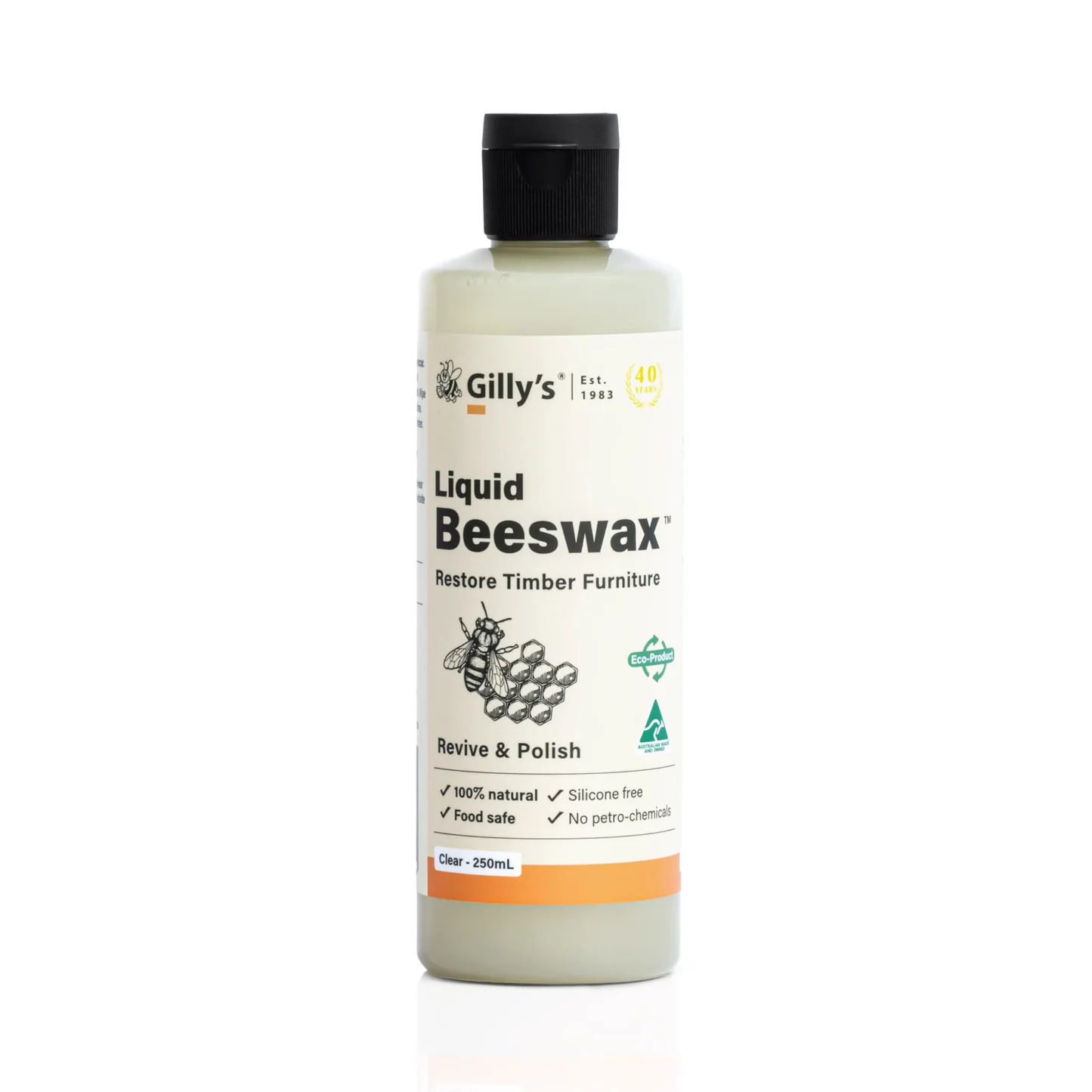
Once your wooden kitchenware is clean and completely dry, it requires conditioning. Every time you wash a timber board, hot soapy water strips away its natural oils. To combat this drying effect, regularly applying a food-safe protective layer is non-negotiable. Using beeswax for cutting boards is a highly effective, natural method for waterproofing and moisturising food-contact wood. Natural wax penetrates deep into the timber grain while leaving a smooth, water-resistant barrier on the surface.
If these natural oils are not replaced, the wood becomes brittle and prone to cracking. These microscopic cracks create deep crevices where harmful bacteria can hide and multiply unseen. A protective barrier of natural wax not only keeps unwanted moisture out but also helps to prevent strong food odours, like garlic and onion, from permanently seeping into the timber. Applying a quality conditioner is a crucial step in preserving your culinary tools.
Maintaining your wooden equipment does not have to be a complicated process. By dedicating just a few minutes every month to a regular care routine, you can keep your wooden utensils in premium condition for decades. Follow these simple steps for the best results:
Even with meticulous care, wooden kitchen tools will eventually show signs of wear. It is important to know the difference between standard knife marks and unsafe grooves. Light scratches are completely normal and can often be sanded down slightly before applying a fresh coat of wax to restore the smooth surface.
However, if your cutting board has developed deep fissures, large splits, or soft areas that remain permanently damp, it is time to replace it. Deep cracks are almost impossible to sanitise thoroughly, making them a health risk for harbouring dangerous bacteria.
Taking proper care of your kitchen basics is the true hallmark of a dedicated home chef. By cleaning your wooden tools correctly, treating them with natural conditioners, and storing them properly, your equipment will remain hygienic and ready for your next home-cooked masterpiece.

© 2025 Crivva - Hosted by Airy Hosting Managed Website Hosting.