

Choosing engagement rings is one of the most meaningful decisions you’ll make — and also one of the most overwhelming. With so many styles, stones, metals, and price points, it’s easy to get lost before you’ve even walked into a jeweller. This guide cuts through the noise and gives you what you actually need to make a confident, informed choice.
There’s a persistent myth that you should spend two months’ salary on a ring. This rule was invented by a De Beers marketing campaign in the 1980s — not by any relationship expert or financial advisor. The truth is, the right ring is one that reflects your partner’s taste and your shared values, not a specific price tag.
A thoughtfully chosen ring at £1,500 will always outshine a generic solitaire at £5,000. What matters most is the intention, the craftsmanship, and how well it suits the person who’ll be wearing it every day.
You’ve probably heard of the four Cs — cut, colour, clarity, and carat. But most buyers don’t know which one to prioritise. Here’s the honest breakdown:
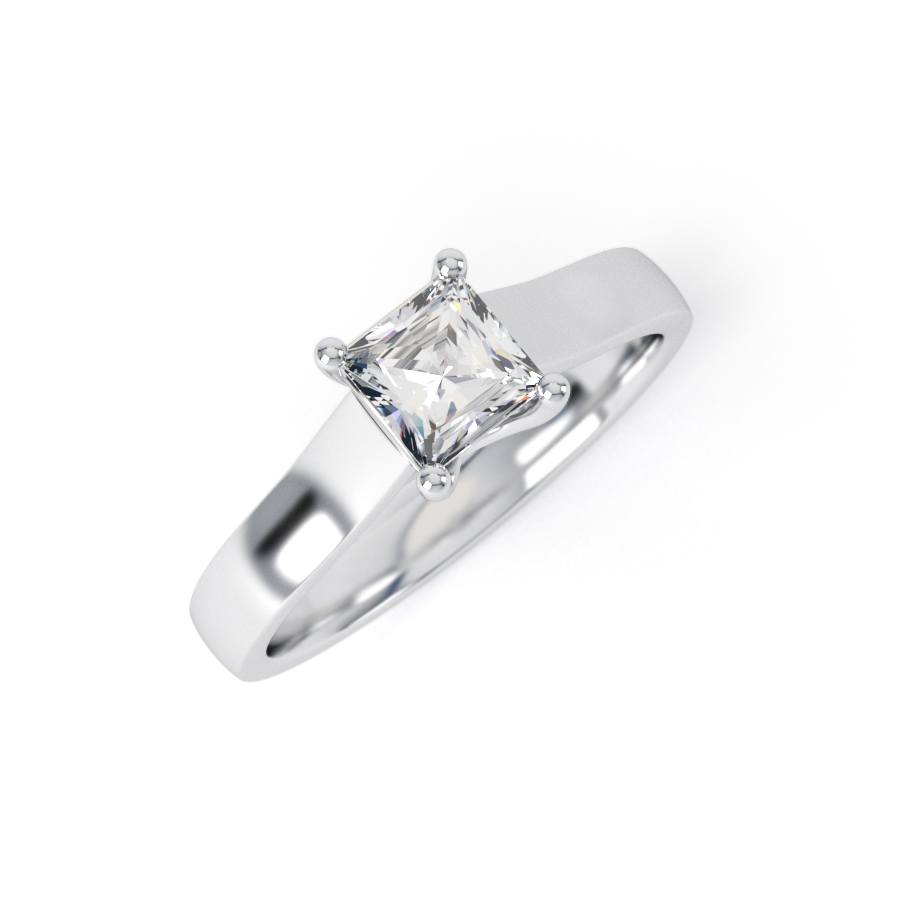
The setting is what holds the stone — and it dramatically affects how the ring looks, feels, and wears over time. The most common styles include:
If your partner works with their hands, a low-profile bezel or channel setting is far more practical than a raised prong setting that can catch on gloves or fabric.
Platinum is the most durable option and retains its colour permanently, but it comes at a premium. White gold offers a similar look at a lower price, though it requires rhodium plating every few years to maintain its finish. Yellow gold has seen a strong revival in recent years, particularly in vintage and Art Deco-inspired styles. Rose gold adds warmth and works beautifully with both fair and darker skin tones.
The metal choice should ideally complement your partner’s existing jewellery — most people tend to wear either warm or cool tones consistently.
Ring sizing is often the most stressful part of a surprise proposal. A few reliable tricks: borrow a ring they wear on the same finger and trace the inside onto paper, ask a close friend or sibling, or simply estimate and plan to resize after. Most reputable jewellers offer a free resize within a certain period after purchase — always check this before buying.
The average UK woman’s ring size is an L–M. If you’re completely unsure, sizing slightly larger is easier to work with than going too small.
Whether you shop in person or online, look for transparent grading certificates (GIA or IGI), clear return policies, independent reviews, and aftercare services. Smaller independent jewellers often offer more personalised service and better value than chain retailers.
If you want to explore a curated collection from a trusted UK specialist, browse the engagement rings at Marlow’s Diamonds — they offer handcrafted options with expert guidance on selection, and their team is particularly good at helping buyers navigate the stone and setting combination that suits their specific budget.
Even with the right information, many first-time buyers fall into a few avoidable traps. One of the most common mistakes is focusing too heavily on carat weight while overlooking cut quality. A larger diamond may seem impressive at first glance, but if it lacks brilliance, it will not have the same visual impact as a smaller, well-cut stone.
Another mistake is rushing the decision. Engagement rings are often purchased under time pressure, especially when planning a proposal, but taking a little extra time to compare options and understand details can make a significant difference.
Ignoring lifestyle is also a frequent oversight. A high-set or intricate design may look stunning in a showroom, but it may not be practical for everyday wear. Durability and comfort should always be part of the decision-making process.
Buyers also sometimes skip certification or fail to verify it properly. Always ensure the diamond comes with a recognised grading report, as this protects you from overpaying or misrepresentation.
Lastly, many people underestimate the importance of aftercare. Cleaning, maintenance, and occasional inspections help preserve the ring’s appearance and security over time. Choosing a jeweller who offers ongoing support can make ownership much easier in the long run.
The best engagement ring isn’t the most expensive one or the most on-trend one. It’s the ring that feels made for the person you’re proposing to. Take your time, do your research, and don’t be afraid to ask for help. Jewellers — especially independent ones — are genuinely invested in getting it right for you.
According to the Gemological Institute of America (GIA), cut quality remains the most critical factor in a diamond’s overall appearance — something that aligns with what experienced jewellers have been saying for decades. For further reading on grading standards, the GIA’s educational resources at gia.edu are worth bookmarking.

© 2025 Crivva - Hosted by Airy Hosting Managed Website Hosting.