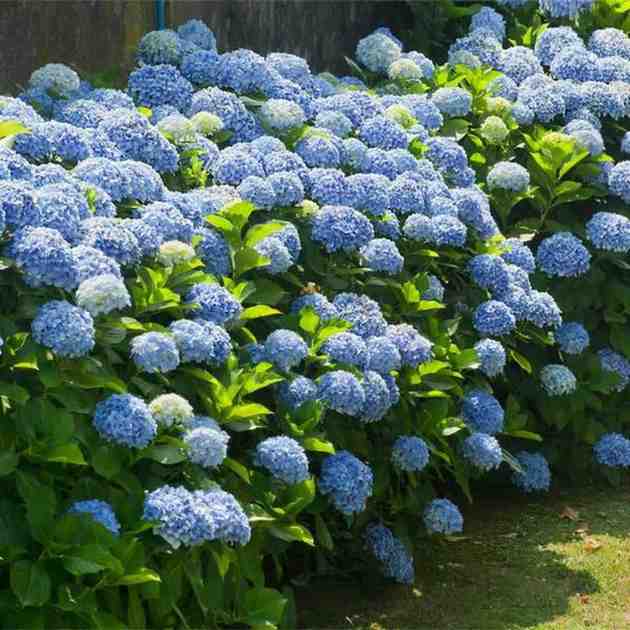
If you’re looking to add long-lasting color and charm to your landscape, hydrangeas are one of the most beautiful and reliable flowering shrubs you can choose. Known for their large, vibrant hydrangea flowers, these plants instantly elevate any outdoor space, from cozy backyard gardens to spacious landscapes.
However, not all hydrangeas grow the same way. Some thrive in cooler climates, while others tolerate heat better. Some prefer shade, and others need more sunlight to bloom at their best. Choosing the wrong variety can lead to fewer flowers, weak growth, or extra maintenance.
In this guide, you’ll learn how to select the perfect hydrangea based on your climate, garden space, sunlight conditions, and care preferences so you can confidently choose one of the best flowering shrubs for home garden success.
Before buying, it’s important to understand the different types of hydrangeas. Each variety has unique features and growing needs.
Bigleaf hydrangeas are famous for their large pink and blue blooms. What makes them special is that flower color can change depending on soil pH; acidic soil produces blue blooms, while alkaline soil creates pink flowers.
If you love bold, colorful hydrangea flowers, this variety is a great option.
Panicle hydrangeas produce cone-shaped flower clusters and are known for being hardy and adaptable.
This variety is ideal if you’re searching for durable flowering shrubs that bloom reliably each year.
Smooth hydrangeas are known for their large, round, white blooms and easy care.
If you want elegant white blooms with minimal effort, this is one of the best options available.
Oakleaf hydrangeas stand out because of their uniquely shaped leaves and stunning fall color.
They’re perfect for gardeners who want beauty throughout multiple seasons.
Climate plays a major role in how well hydrangeas perform. Some varieties prefer cooler regions, while others tolerate heat and humidity better.
Before choosing your plant:
Choosing the right variety for your climate ensures healthy growth and abundant blooms.
Understanding sunlight needs is essential for proper hydrangea care.
If your garden has limited sunlight, look for varieties suited for flowering shrubs in the shade. Panicle hydrangeas, however, can tolerate more direct sunlight than others.
Before planting your garden, observe how the sunlight moves across it.
Hydrangeas vary in size, so consider how much space you have available.
Ask yourself:
Some hydrangeas grow 3–5 feet tall, while others can reach over 8 feet. For smaller gardens, choose compact varieties that work well as small flowering shrubs.
If space is limited, hydrangeas can also grow successfully in large containers with proper drainage and care.
Proper spacing improves airflow, reduces disease risk, and promotes healthier blooms.
One of the biggest reasons gardeners love hydrangeas is their wide color range.
You can choose from:
Bigleaf hydrangeas may shift color based on the soil’s pH level, whereas white varieties usually keep their original white blooms.
If you’re designing a landscape theme, selecting the right flower color helps create harmony in your garden. Whether you want soft pastel tones or bold statement blooms, hydrangeas offer versatility among flowering shrubs.
Different hydrangeas require different levels of care.
Before buying, consider:
Some hydrangea varieties produce flowers on stems that grew the previous year, while others develop blooms on the current season’s new growth. This affects how and when you prune.
For beginners, Smooth and Panicle hydrangeas are often easier to manage. Understanding basic hydrangea care ensures consistent blooming year after year.
No matter which variety you choose, always inspect the plant carefully.
Look for:
Buying from a trusted source increases your success rate, whether you’re searching for a local plant nursery near me or ordering from a reputable Online plant nursery USA. Quality matters.
Healthy plants establish faster and produce stronger blooms.
Timing is important for success.
The ideal planting seasons are:
Avoid planting during extreme heat or frost. Mild temperatures allow roots to establish before facing harsh weather conditions.
Proper planting timing improves survival rate and encourages abundant hydrangea flowers during the growing season.
Choosing the perfect hydrangea comes down to understanding your climate, sunlight conditions, garden space, and maintenance preferences. With such a wide and stunning variety available, hydrangeas remain one of the most versatile and rewarding flowering shrubs for any landscape.
Whether you prefer bold colors, elegant white flowering shrubs, or compact, small flowering shrubs, there’s a hydrangea suited to your needs. By selecting the right variety and following proper hydrangea care, you can enjoy healthy plants and breathtaking blooms year after year.
With the right choice, hydrangeas can truly become the highlight of your garden, adding beauty, texture, and long-lasting color to your outdoor space.

© 2025 Crivva - Hosted by Airy Hosting Managed Website Hosting.