

Few moments in life carry the weight of a marriage proposal — and the ring at the centre of it deserves just as much thought as the question itself. Diamond engagement rings have long symbolised commitment, but the modern buyer approaches the search differently: more informed, more values-driven, and far less willing to settle for generic. This guide walks you through everything that actually matters when making this decision.
There is no shortage of gemstone options in today’s jewellery market — sapphires, moissanite, rubies, even lab-grown alternatives. Yet the diamond endures as the choice for engagement rings across cultures and generations. Part of it is tradition. But a larger part is durability: ranking 10 on the Mohs hardness scale, diamonds are the only gemstone tough enough to be worn daily for decades without losing their brilliance.
The other factor is legacy. A diamond retains its structural integrity and visual appeal over time in a way that softer stones simply cannot. When you’re choosing something meant to be worn every single day for the rest of a lifetime, that matters.
The Gemological Institute of America (GIA) established the 4Cs — Cut, Colour, Clarity, and Carat — as the universal grading system for diamonds. Every certified stone is assessed against all four, but they don’t carry equal weight for every buyer.
Cut is arguably the most important factor because it determines how a diamond interacts with light. A well-cut stone can make a lower-colour or slightly included diamond look spectacular. The GIA grades cut from Excellent to Poor, and sticking to Excellent or Very Good is generally the smartest investment you can make within your budget.
The GIA colour scale runs from D (colourless) to Z (visibly yellow). Most buyers don’t need a D stone. In fact, a well-cut G or H diamond set in white gold or platinum is nearly indistinguishable from a D colour to the naked eye — and significantly less expensive.
Clarity grades range from Flawless to Included. The key question isn’t ‘is it perfect?’ but rather ‘are the inclusions visible without magnification?’ VS2 and SI1 grades often offer eye-clean stones at far better value than FL or IF grades.
Carat refers to weight, not diameter — a common misconception. A well-cut 0.90ct diamond can actually appear larger than a poorly cut 1.00ct stone. Buying just below popular weight thresholds (0.90ct instead of 1.00ct, for example) is one of the most practical ways to stretch a budget.
A diamond without a certificate is a diamond you’re taking on trust. The GIA and IGI are the two most respected independent grading laboratories globally. Their certificates provide an unbiased, standardised assessment of every stone, covering all 4Cs plus additional characteristics like fluorescence and polish.
When shopping for engagement rings, always insist on a certificate. It protects your investment, allows for meaningful comparisons between stones, and is essential if you ever want to insure or resell the ring. At Marlow’s Diamonds, every stone comes with full GIA or IGI certification — removing the guesswork entirely.
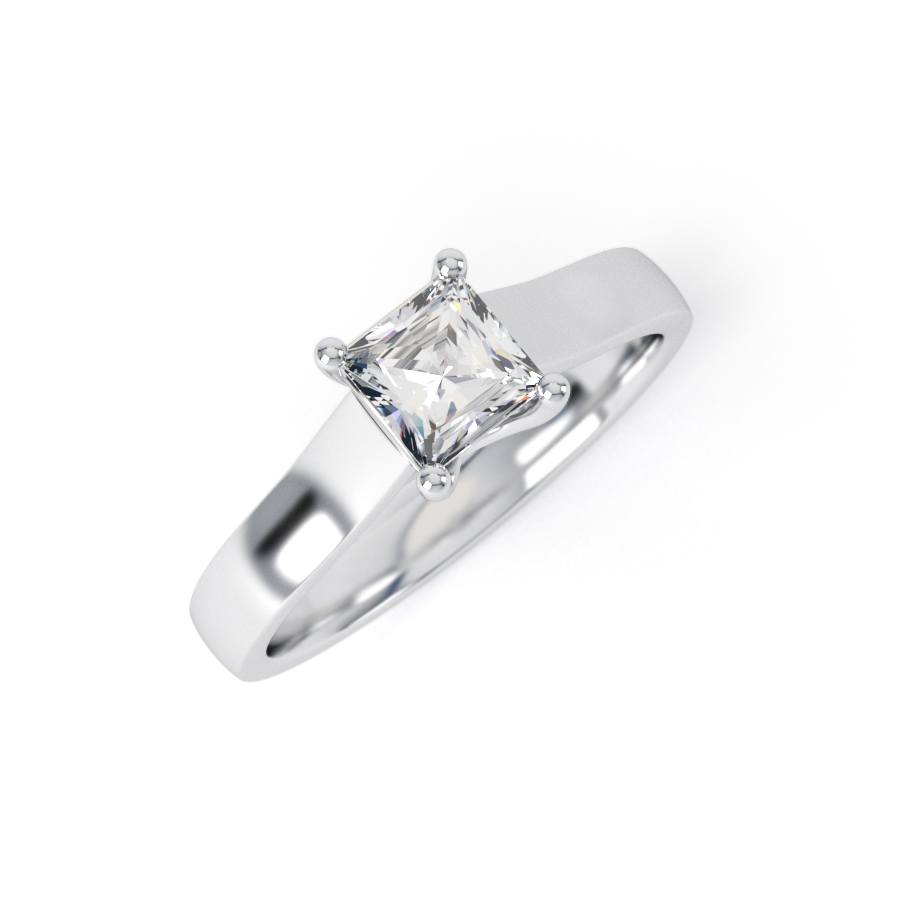
The setting is not merely practical — it’s the design language of the ring. Here are the most popular styles and what they communicate:
Metal choice also plays a significant role. Platinum is durable and naturally white, requiring no re-plating. White gold offers a similar look at a lower price point but may need rhodium plating over time. Yellow and rose gold are warmer and suit vintage or nature-inspired designs particularly well.
The shape of a diamond does more than affect appearance — it telegraphs something about the wearer’s style. Round brilliants remain the most popular by a wide margin, offering the best light performance due to their symmetrical faceting. But alternative shapes have grown dramatically in popularity:
Each shape has specific cutting characteristics, and not all shapes are created equal within the same grade. For fancy shapes, viewing the actual stone (or high-resolution imagery) before purchasing is strongly recommended.
The old ‘two months’ salary’ rule was invented by a diamond company in the 1980s. It is not a guideline — it’s a marketing tactic. Your budget should be determined by your financial circumstances, not an advertising slogan.
The more useful approach is to decide what you’re genuinely comfortable spending, then work with a specialist to maximise quality within that range. Quality diamond jewellery doesn’t require the highest price tag — it requires the right expertise and sourcing. A knowledgeable jeweller will always prioritise your specific needs over an upsell.
Choosing where to buy your ring is almost as important as choosing the ring itself. The right jeweller will offer:
It’s also worth considering whether you can view stones in person, access detailed imagery, and speak directly with a qualified gemologist. The engagement ring buying process should feel reassuring, not transactional.
A diamond engagement ring is one of the few purchases most people make only once. Getting it right means understanding what you’re buying — the science behind the stone, the craftsmanship in the setting, and the meaning of the certificate that comes with it. Take the time to ask the right questions, work with people who genuinely know their craft, and you’ll end up with something that does exactly what an engagement ring should: last a lifetime.
Cut quality is considered the single most impactful factor, as it determines how much brilliance and light a diamond displays. A well-cut stone will outshine a higher-graded but poorly cut alternative every time.
Certification from GIA or IGI is strongly recommended. It provides an independent, standardised assessment of the diamond’s quality — protecting your investment and ensuring you’re getting exactly what you’re paying for.
Oval and marquise cuts tend to look largest relative to their carat weight due to their elongated shape. Round brilliants and cushion cuts tend to ‘carry’ their carat weight more compactly.
Platinum is the most durable and naturally white option, but it comes at a premium. White gold is an excellent alternative at a lower price point, though it may require re-plating over time. Yellow and rose gold remain popular for those who prefer a warmer tone.
Yes — this is one of the smartest moves a budget-conscious buyer can make. A 0.95ct or 0.90ct diamond is visually indistinguishable from 1.00ct but typically carries a meaningful price advantage, as whole carat weights attract a premium.

© 2025 Crivva - Hosted by Airy Hosting Managed Website Hosting.