

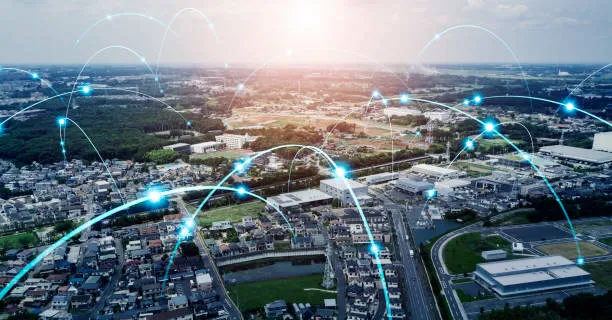
The energy sector across the Middle East is undergoing a significant transformation as governments and utility providers modernize aging electricity infrastructure. Rapid urbanization, increasing electricity consumption, and the expansion of smart city initiatives are encouraging countries in the region to adopt intelligent grid systems capable of improving operational efficiency and grid reliability.
Smart grids combine digital communication technologies, automation systems, and advanced analytics to optimize power generation, transmission, and distribution. According to a Middle East smart grid industry analysis, the sector is projected to expand at a CAGR of around 29% during 2020–25, supported by growing smart meter deployment initiatives and increasing investments in modern energy infrastructure across countries such as Saudi Arabia and the UAE.
The Middle East continues to experience strong growth in electricity demand due to industrial expansion, commercial development, and population growth. Large-scale infrastructure projects, tourism investments, and mega-events have further increased the pressure on utility networks to deliver stable and uninterrupted power.
Traditional electricity grids often struggle to manage fluctuating energy demand efficiently. Smart grid technologies address this issue by enabling real-time monitoring, automated load balancing, and predictive maintenance. These capabilities help utilities reduce outages, optimize electricity distribution, and improve energy efficiency.
Organizations such as the International Energy Agency (IEA) have highlighted that digitalized power systems play a critical role in supporting future energy demand while improving grid resilience and sustainability.
The growing deployment of renewable energy facilities across the GCC region is therefore strengthening the need for intelligent power infrastructure capable of handling decentralized energy generation.
Several Middle Eastern countries are actively investing in smart city development programs that rely heavily on intelligent energy infrastructure. Initiatives such as Saudi Arabia’s NEOM project and the UAE’s smart city expansion strategies are increasing the adoption of connected energy systems and advanced metering infrastructure.
Smart grids are becoming essential for managing renewable energy integration, electric vehicle charging networks, and decentralized power generation systems within these urban ecosystems. Governments are also implementing energy-efficiency regulations aimed at reducing carbon emissions and optimizing electricity usage across residential, commercial, and industrial sectors.
The World Bank notes that smart grid systems can improve electricity reliability while enabling better integration of renewable energy resources into national power networks.
Smart meters have emerged as one of the foundational technologies supporting smart grid development in the Middle East. Utilities are increasingly deploying advanced metering infrastructure to provide consumers and operators with real-time energy consumption data.
These systems help improve billing accuracy, reduce electricity theft, and enable demand-side management strategies. Consumers also gain better visibility into their energy usage patterns, encouraging more efficient electricity consumption.
Countries such as the UAE and Saudi Arabia are witnessing strong momentum in smart meter installations due to national energy transition programs and digital infrastructure investments. Utility providers are leveraging these technologies to enhance operational transparency and reduce distribution losses.
The U.S. Department of Energy states that advanced metering systems improve grid visibility and support faster fault detection, making electricity networks more responsive and efficient.
The Middle East is increasingly diversifying its energy mix through investments in solar and renewable energy projects. However, integrating renewable energy into traditional electricity systems requires greater grid flexibility and real-time energy management capabilities.
Smart grids enable utilities to balance intermittent renewable energy generation with electricity demand more effectively. Advanced sensors, automation systems, and digital monitoring tools help operators maintain grid stability while integrating solar and other renewable sources into the network.
The growing deployment of renewable energy facilities across the GCC region is therefore strengthening the need for intelligent power infrastructure capable of handling decentralized energy generation.
According to the International Renewable Energy Agency (IRENA), digital technologies and smart grid systems are becoming essential components of modern renewable energy integration strategies worldwide.
The commercial and industrial sectors remain major adopters of smart grid technologies in the Middle East. Manufacturing facilities, airports, data centers, and large commercial buildings increasingly require reliable electricity management systems to minimize operational disruptions and improve energy efficiency.
Smart grid solutions allow businesses to monitor electricity consumption patterns, automate power distribution processes, and reduce operational costs. Energy-intensive industries are also using predictive analytics and intelligent monitoring systems to improve maintenance planning and optimize power usage.
As industrial diversification strategies continue across Gulf economies, demand for scalable and digitally connected electricity infrastructure is expected to remain strong.
Despite the strong growth outlook, the adoption of smart grid systems also introduces new operational challenges. Cybersecurity has become a major concern as utility infrastructure becomes increasingly connected through digital communication networks.
Protecting critical energy infrastructure from cyber threats requires continuous investments in security technologies, monitoring systems, and regulatory compliance frameworks. Utilities must also address challenges related to system interoperability, legacy infrastructure integration, and high deployment costs.
In addition, workforce training and technical expertise remain essential for managing increasingly complex digital energy networks. Addressing these challenges will be important for ensuring long-term grid stability and operational efficiency across the region.
The transition toward digital energy infrastructure is expected to remain a central focus for Middle Eastern economies over the coming years. Investments in smart cities, renewable energy projects, and intelligent utility networks are creating long-term opportunities for smart grid technology providers and energy companies.
As governments continue prioritizing energy efficiency and infrastructure modernization, smart grids are likely to play a larger role in enabling sustainable electricity management across the region. Technologies such as artificial intelligence, IoT-enabled sensors, and cloud-based energy analytics are expected to further improve grid responsiveness and operational visibility.
With rising electricity demand and increasing emphasis on sustainability, smart grid deployment is becoming an important component of the Middle East’s broader digital transformation strategy.

© 2025 Crivva - Hosted by Airy Hosting Managed Website Hosting.