


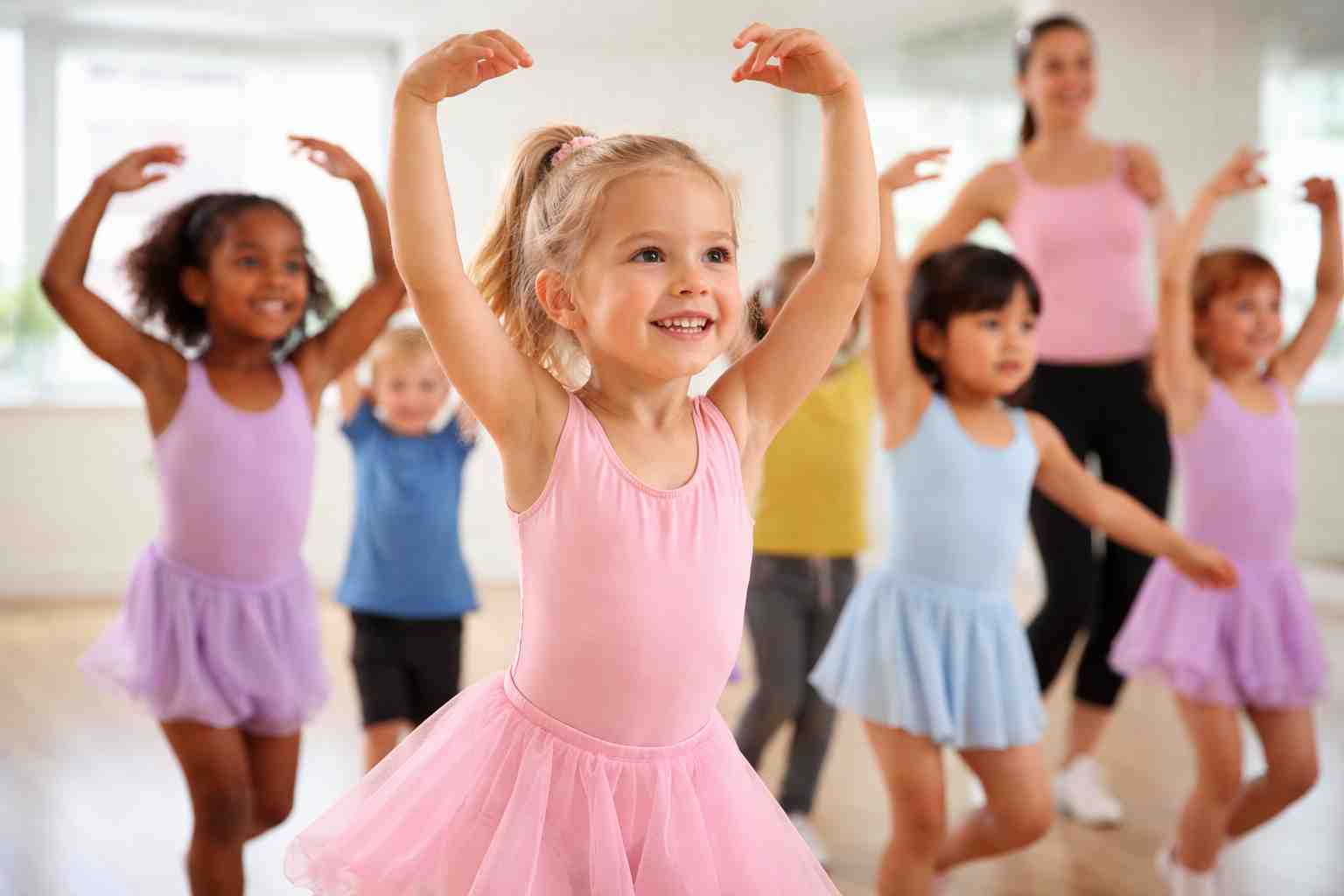
Children’s dance classes are often seen as a fun extracurricular activity—an opportunity for kids to move, listen to music, and perhaps perform on stage. But beyond the costumes and choreography lies something far more impactful. These classes play a significant role in shaping a child’s emotional, social, and creative development. For many families, enrolling in children’s dance classes becomes less about performance and more about nurturing essential life skills that extend well beyond the studio.
At first glance, dance may appear to be purely physical. However, when children step into a dance class, they are entering an environment designed to encourage growth in multiple dimensions. From learning how to follow instructions to expressing emotions through movement, children’s dance classes offer a unique blend of structure and creativity.
Parents today are increasingly looking for activities that support holistic development. Dance stands out because it combines physical activity with emotional expression and social interaction—three pillars that are crucial during childhood.
One of the most noticeable benefits of children’s dance classes is the boost in confidence many children experience.
For children who are naturally shy or hesitant, dance provides a gentle way to step outside their comfort zones. The structured nature of classes allows them to gradually build skills while feeling supported. As they learn routines and improve over time, their sense of accomplishment grows.
Even small achievements—like mastering a step or remembering a sequence—can significantly impact a child’s self-esteem. These moments reinforce the idea that effort leads to progress.
While performances are often part of dance programs, they don’t have to be intimidating. Many children’s dance classes focus on creating low-pressure environments where participation is celebrated more than perfection. Recitals and showcases become opportunities for children to share what they’ve learned rather than compete.
Standing on stage, even briefly, can be a transformative experience. It teaches children to manage nerves, take pride in their efforts, and appreciate the value of preparation.
Positive reinforcement plays a key role in confidence building. Supportive instructors who provide constructive feedback help children feel capable and motivated. When children feel seen and encouraged, they are more likely to take risks and embrace challenges.
Creativity is another area where children’s dance classes truly shine.
Unlike many structured activities, dance allows for interpretation. Children are encouraged to explore how their bodies move in response to music, rhythm, and storytelling. This freedom nurtures imagination and helps children develop a sense of individuality.
Improvisation exercises, in particular, allow children to experiment without fear of making mistakes. This fosters a mindset where creativity is valued over correctness.
Exposure to various dance styles—such as ballet, jazz, hip-hop, and contemporary—broadens a child’s perspective. Each style has its own rhythm, technique, and expressive qualities, giving children multiple ways to connect with movement.
This diversity not only keeps classes engaging but also encourages curiosity and adaptability.
Children don’t always have the vocabulary to articulate their feelings. Dance provides an alternative form of communication. Through movement, they can express joy, excitement, frustration, or even sadness in a safe and constructive way.
This emotional outlet is especially valuable during early developmental years, helping children build emotional awareness and resilience.
Beyond individual growth, children’s dance classes also foster strong social connections.
Group routines require coordination and cooperation. Children learn to move in sync, respect personal space, and contribute to a collective goal. These experiences teach the importance of teamwork and shared responsibility.
Dance involves both verbal and non-verbal communication. Children must listen carefully to instructions and observe others to stay aligned with the group. Over time, this enhances their ability to communicate effectively in different settings.
Dance classes often become a space where children form meaningful friendships. The shared experience of learning and performing creates a sense of camaraderie. For many children, these connections extend beyond the studio, contributing to a stronger sense of belonging.
While the emotional and social benefits are significant, the physical advantages of children’s dance classes should not be overlooked.
Dance improves balance, flexibility, and coordination. These physical skills are essential not only for dance but also for other sports and daily activities.
Regular participation in dance promotes an active lifestyle. In a time when screen time is increasingly prevalent, dance offers an engaging alternative that keeps children moving.
Learning choreography requires concentration and memory. Children must remember sequences, timing, and spatial positioning. These cognitive challenges help improve focus and mental agility.
Not all dance experiences are the same. Structured programs designed specifically for children can significantly enhance the benefits.
Programs that tailor content to different age groups ensure that children are neither overwhelmed nor under-stimulated. Younger children might focus on basic movement and rhythm, while older students gradually build technical skills.
Qualified instructors who understand child development create environments where children feel safe and encouraged. This foundation is essential for both learning and enjoyment.
Many parents find it helpful to explore structured programs that clearly outline their approach to child development. For instance, resources like
Children’s Dance Classes for All Ages in Canberra provide insight into how age-specific programs can balance fun with skill-building, offering a well-rounded experience for young dancers.
Choosing the right children’s dance classes can make a significant difference in a child’s experience.
Instructors should not only have technical expertise but also the ability to connect with children. A positive and patient teaching style can greatly influence a child’s enthusiasm and confidence.
A welcoming environment where all children feel valued—regardless of skill level—is essential. Inclusivity fosters confidence and encourages participation.
The best classes strike a balance between discipline and enjoyment. While learning is important, children are more likely to stay engaged when they are having fun.
Topics like children’s dance classes resonate with a wide audience, particularly parents and educators seeking meaningful activities for children. Platforms that encourage knowledge sharing play an important role in spreading awareness.
If you’re interested in contributing similar insights, you can explore opportunities through platforms like
https://crivva.com/submit-article/
where writers share informative, experience-driven content across a range of topics.
You can also learn how to craft valuable contributions by reviewing helpful resources such as
https://crivva.com/write-for-us/
which offers guidance on creating engaging and relevant articles for a broad audience.
Children’s dance classes offer far more than an introduction to movement—they provide a foundation for lifelong skills. From building confidence and fostering creativity to strengthening social connections, the benefits extend well beyond the dance floor.
For parents seeking activities that support holistic development, dance stands out as a powerful and enriching choice. It’s not just about learning steps; it’s about helping children grow into confident, expressive, and socially connected individuals.

© 2025 Crivva - Hosted by Airy Hosting Managed Website Hosting.