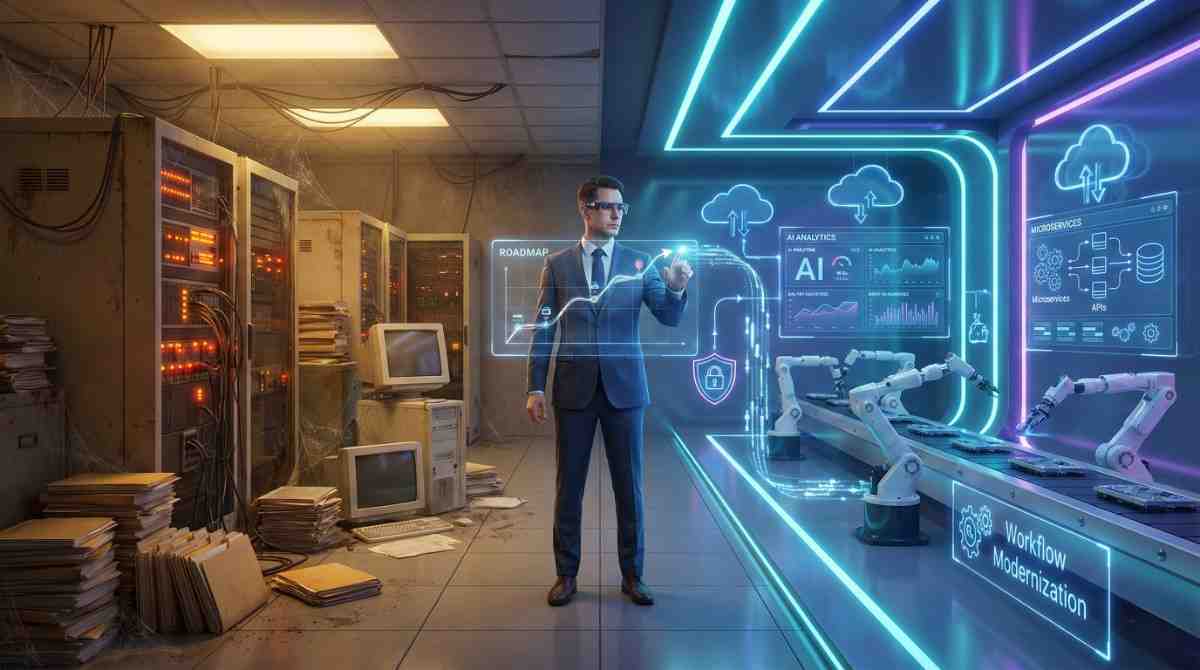
Established businesses face a unique paradox. Their longevity demonstrates resilience and market understanding built over decades, yet these same advantages can become liabilities when legacy systems and outdated processes prevent adaptation to digital-first markets. Companies that dominated their industries for generations now find themselves outmaneuvered by digital-native competitors unburdened by technical debt or traditional thinking.
Digital transformation consulting services provide the strategic guidance and technical expertise that established businesses need to modernize without losing the strengths that made them successful. These services help organizations navigate the complex journey from legacy systems to leading-edge capabilities, balancing innovation with operational continuity while managing risk and embracing necessary change.
Legacy businesses enter digital transformation with valuable strengths—decades of industry expertise, long-standing customer trust, solid financial resources, and strong brand credibility. These advantages provide a solid foundation for modernization.
But major challenges accompany them. Technical debt from aging, poorly documented systems makes maintenance costly and integration difficult. Organizational inertia slows change, as employees fear disruption, and decision-making structures cannot match digital speed. Processes often become rigid, and cultural gaps emerge as younger talent seeks modern tools while leadership clings to traditional methods—creating retention and innovation issues.
Digital transformation services help organizations navigate these complexities by leveraging legacy strengths while systematically addressing modernization constraints, turning traditional disadvantages into strategic advantages.
Digital transformation consulting services provide more than technical expertise. They bring strategic perspective, change management capability, and cross-industry experience that accelerate transformation while minimizing risks.
Consultants begin by assessing the current state comprehensively through technical audits, process mapping, organizational assessments, and competitive analysis. This provides the factual foundation for transformation planning.
Strategic roadmap development translates assessment findings into actionable plans that sequence initiatives to build capabilities progressively, balance quick wins with long-term foundations, and align investments with business priorities. Technology selection guidance helps organizations navigate overwhelming arrays of available platforms and vendors.
Implementation oversight ensures projects stay on track while change management planning addresses the human dimensions of transformation. This includes stakeholder communication, resistance mitigation, training programs, and cultural initiatives that help organizations adopt new technologies sustainably.
Knowledge transfer ensures organizations build internal capabilities rather than remaining dependent on consultants indefinitely. Effective digital transformation consulting explicitly focuses on teaching internal teams and building organizational competence that persists after consulting engagements conclude.
Infrastructure modernization typically forms the foundation of legacy transformation. Moving from on-premise data centers to cloud platforms fundamentally changes how organizations provision, manage, and scale technology resources.
Cloud platforms provide elasticity, enabling organizations to scale resources dynamically based on demand. This reduces capital expenditure while improving responsiveness. Cloud economics shift spending from capital investments to operational expenses, aligning costs with actual usage.
Modern infrastructure enables new deployment models impossible with legacy architectures. Microservices break monolithic applications into independent components. Containerization packages applications with dependencies, ensuring consistent behavior across environments. Infrastructure-as-code manages environment configuration through version-controlled scripts rather than error-prone manual processes.
However, cloud migration introduces complexities requiring careful management. Application dependencies must be understood thoroughly. Data transfer at scale presents bandwidth challenges. Security models change fundamentally as perimeter-based approaches give way to identity-centric controls.
Digital transformation workflow for cloud migration typically follows staged approaches. Assessments identify cloud-ready applications. Pilot migrations test approaches on non-critical systems. Waves of migrations move groups of related applications in coordinated efforts. Post-migration optimization ensures applications leverage cloud capabilities effectively.
Application modernization is often the most visible part of legacy transformation, replacing decades-old custom or outdated commercial systems with modern tools that reshape employee workflows and business operations.
Modern ERP platforms deliver capabilities legacy systems lack—real-time analytics, mobile access, intelligent automation, and cloud deployment. But migration is complex and requires configuration, data conversion, process redesign, and thorough user training.
CRM modernization upgrades how organizations manage sales, marketing, and service. Modern CRMs offer 360° customer views, predictive insights, marketing automation, and seamless omnichannel engagement.
Industry-specific applications bring unique challenges, as many legacy firms rely on specialized software with no direct modern equivalent. Organizations may need to customize general platforms, choose niche vendors, or build custom modern applications.
Digital transformation services guide application selection with structured evaluations—defining requirements, identifying options, running proofs of concept, and assessing total cost of ownership.
Data represents one of the most complex aspects of legacy modernization. Decades of operation create massive data volumes in inconsistent formats across fragmented systems.
Data assessment inventories information assets, evaluates quality, identifies redundancy, and maps relationships. Legacy environments typically suffer from poor data quality as validation rules erode over time. Multiple systems often store overlapping information with inconsistent values.
Data cleansing addresses quality issues before migration by correcting errors, standardizing formats, removing duplicates, and filling gaps. Data quality problems amplified during migration can cripple new systems, making cleansing essential.
Data transformation adapts information from legacy formats to modern system requirements through field mappings, data type conversions, and business rule implementations. Data migration execution moves information using strategies that vary based on data volumes, acceptable downtime, and risk tolerance.
Integration architecture connects modern applications with the remaining legacy systems. API-based integration provides standard interfaces for real-time data exchange. Message-based integration enables asynchronous communication. Data warehouses consolidate information from multiple sources for analytics.
Technology modernization provides opportunities to fundamentally redesign business processes rather than simply automating existing workflows. Digital transformation consulting services help organizations reimagine how work gets done, eliminating inefficiencies accumulated over decades.
Legacy processes often reflect constraints of technologies available when designed. Manual approvals compensated for systems lacking workflow capabilities. Batch processing accommodated limited computing resources. Modern technologies eliminate many historical constraints, enabling process redesign that dramatically improves efficiency.
Process mining analyzes actual workflow execution based on system logs and transaction records. This data-driven approach reveals how processes truly operate, uncovers gaps between documented procedures and actual practices, identifies bottlenecks, and highlights variations that create inefficiency.
Process redesign workshops bring together stakeholders to reimagine workflows, leveraging modern capabilities. Effective redesign eliminates unnecessary steps, automates manual activities, parallelizes sequential processes, and consolidates fragmented activities.
Workflow automation implements redesigned processes through modern platforms that route work, enforce business rules, and provide visibility. Robotic process automation handles repetitive tasks. Business process management systems orchestrate complex workflows. Low-code platforms enable rapid workflow development without extensive programming.
Technical modernization succeeds or fails based on whether organizations successfully navigate the cultural and behavioral changes required for transformation. Digital transformation consulting addresses human dimensions that determine whether technology investments deliver promised value.
Resistance to change emerges from fear, uncertainty, and comfort with familiar approaches. Addressing resistance requires understanding underlying concerns and demonstrating how transformation benefits individuals, not just organizations.
Stakeholder engagement builds support by involving people in transformation planning and decision-making. Regular communication keeps stakeholders informed about progress, celebrates successes, and acknowledges challenges honestly.
Leadership alignment ensures executives model the behaviors required for a digital culture. When leaders embrace new technologies and demonstrate learning mindsets, organizations follow. Skills development prepares workforces for new roles through technical training, process training, and mindset development around experimentation and continuous learning.
Cultural evolution toward experimentation, speed, and customer-centricity often represents the hardest transformation aspect. Digital transformation services help design cultural initiatives, including value definition, behavior reinforcement, recognition systems, and leadership development that shape culture progressively.
Tracking transformation success requires clear metrics and baselines. Financial, operational, customer, and employee metrics show value through cost savings, efficiency, satisfaction, and engagement. Innovation and technology metrics measure agility, modernization progress, and technical debt reduction. Digital transformation consulting services help set frameworks to monitor progress and demonstrate ROI to stakeholders.Building Long-Term Digital Capabilities
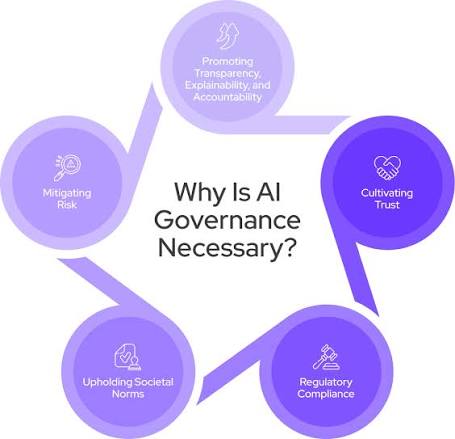
Lasting digital transformation is about building capabilities, not just finishing projects. Centers of excellence grow expert skills and spread them across the organization. Digital platforms speed development through reusable components and shared data. Innovation systems support experimentation and scaling of new ideas. Strong talent strategies attract and develop people with critical digital skills. Governance ensures digital investments align with strategy, integrate well, and manage risks effectively.
Legacy modernization often fails due to a few predictable issues. Many organizations underestimate complexity, leading to unrealistic timelines and budgets—thorough planning helps avoid this. Poor change management also causes low adoption, so people-focused strategies must support technical rollout. Trying to do everything at once spreads resources too thin; breaking work into phases delivers better results. Weak data quality leads to unreliable outputs, making data governance essential. Finally, ignoring security until late creates costly risks, so security must be built in from the start.
Legacy businesses can become digital leaders by modernizing culture, processes, and strategy. With strong industry expertise and customer relationships already in place, addressing technical debt helps unlock new digital capabilities. Digital transformation consulting services guide organizations with strategy, technology support, and change management to reduce risks and accelerate progress. With clear strategy, the right partners, and committed leadership, legacy companies can modernize successfully and achieve long-term digital growth.

© 2025 Crivva - Hosted by Airy Hosting Managed Website Hosting.